
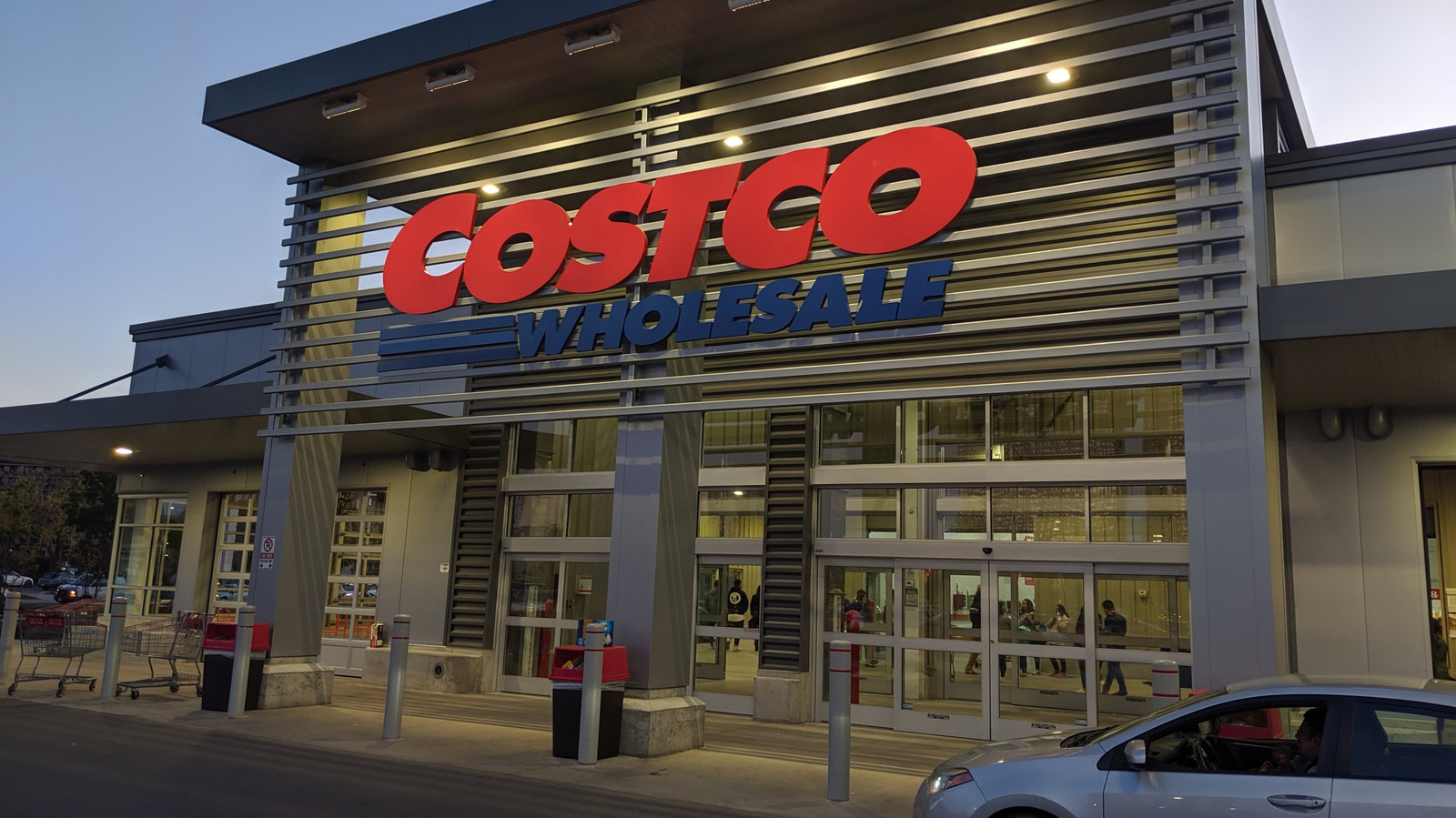
This piece traces the origins of the big-box warehouse clubs and answers the simple question shoppers love to argue about: which came first, Sam’s Club or Costco? It explains the deeper history that predates both brands, compares their early moves, and points out why the answer depends on whether you count lineage or brand launch. Along the way you’ll get a clear, neutral timeline and practical context for what the founding order means for shoppers today.
Warehouse clubs didn’t spring up overnight. Sol Price pioneered the low-cost, membership-only warehouse format in the mid-1970s with Price Club, and that concept set the stage for the national players that followed. Price Club focused on serving small businesses with bulk goods at lower margins, and that early model influenced both later chains.
Costco as a company—under the Costco name—was formed in the early 1980s when Jim Sinegal and Jeffrey Brotman opened their first Costco warehouses. The Costco brand rapidly built a reputation for tight inventory, national brands, and a cult-like following for items like rotisserie chicken. While the brand’s formation is firmly rooted in 1983, its operational philosophy owes a lot to the Price Club template that came before it.
Sam’s Club arrived at about the same time, launched by Sam Walton as Walmart’s answer to the growing warehouse trend. It rolled out its first Sam’s Club locations in 1983 as well, leveraging Walmart’s buying power and distribution muscle to scale fast. That alignment with Walmart gave Sam’s Club an immediate national backbone that competitors had to match.
If you look strictly at the very first warehouse concept, Price Club is the clear forerunner. But if the comparison is just between the Costco and Sam’s Club brands, both started in the same year and the line is razor thin. Most timelines put Sam’s Club’s initial open dates a little ahead of Costco’s earliest stores, making Sam’s Club the earlier of the two brand launches.
The corporate story gets messier with mergers and rebrands. Price Club and Costco merged in the early 1990s to become PriceCostco before eventually operating simply as Costco Worldwide, absorbing that early legacy. Sam’s Club, meanwhile, stayed inside the Walmart family and expanded through Walmart’s retail channels and supply relationships, growing a distinct identity from Costco’s.
Beyond start dates, both chains leaned into membership models that shaped their customer bases. They offered bulk quantities, lower per-unit pricing, and a mix of consumer and business-focused goods, but they differed in merchandising and services. Costco is often praised for brand-name bargains and upscale private label offerings, while Sam’s Club leaned on Walmart-style sourcing and integration with other Walmart services.
Today the two brands look similar at a glance but play different strategic games. Costco emphasizes a tight SKU selection, international expansion, and a high-turn inventory model, while Sam’s Club focuses on leveraging Walmart’s logistics and a broader suite of value services for members. Those choices reflect the companies’ roots and how each responded to the warehouse concept after they launched.
For the shopper who just wants to know who “won” the race to market, the short answer is nuanced. Price Club invented the category in the 1970s, and among the modern national names, Sam’s Club’s first locations are generally recorded slightly earlier in 1983 than Costco’s openings. So, in a head-to-head of brand launches, Sam’s Club gets the nod for being first, but the broader story starts with Price Club well before either name existed.
What matters more for most people isn’t who opened a store first but what each chain offers now: inventory style, membership perks, and store experience. If you like tight selections and a certain treasure-hunt feel, Costco may fit better, while if you want Walmart-aligned prices and footprint advantages, Sam’s Club could be preferable. The origin story is a fun debate starter, but the modern differences are what shape everyday shopping decisions.
