
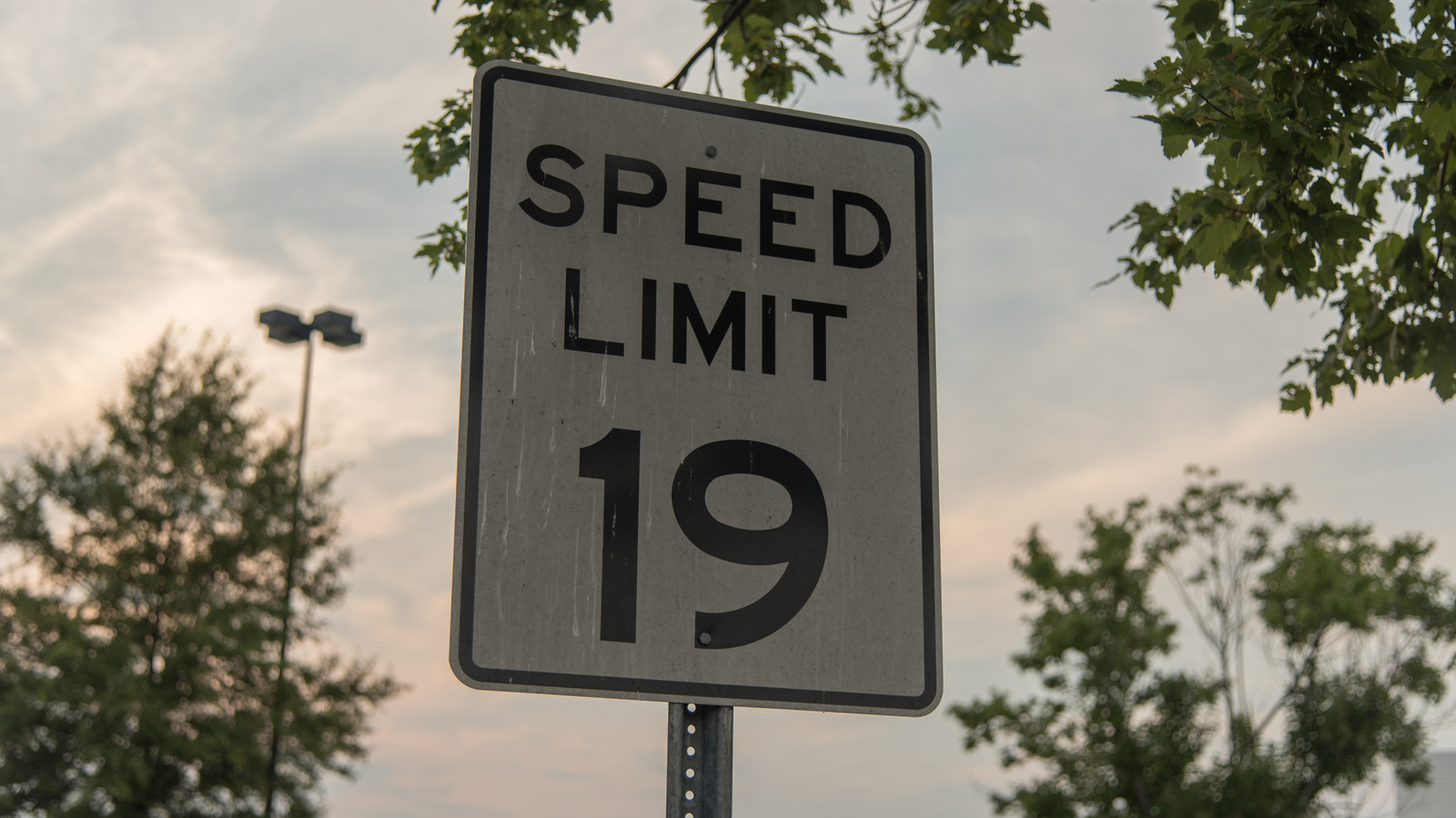
This piece explains why you might spot a 17.3 mph speed limit and what that quirky number really means, traces the math and measurements behind odd speed postings, looks at how engineering and legal language produce precise figures, and offers practical advice for drivers who run into them.
Spotting a 17.3 mph sign feels like seeing a typo on a government form, and that reaction is exactly why the number gets attention. Engineers and planners rarely pick numbers for fun; they are working from formulas, measurements, and conversions that can leave strange footprints when translated into what drivers actually see on a sign. Once you know where the decimals come from, the oddities start to make sense and feel less random.
One of the most common causes is simple unit conversion. Many traffic studies and design documents operate in metric units, so when a local authority picks a target speed in kilometers per hour and converts it to miles per hour, a number like 28 km/h shows up as about 17.4 mph. Depending on rounding conventions or the decimal place someone chose to keep, that can turn into a posted “17.3 mph” in paperwork before any sign manufacturer turns the figure into an actual board on the street.
Beyond unit conversion, the math of roadway design frequently outputs noninteger values. Stopping sight distance, curvature, and lane width are often calculated in meters or feet per second, then translated into a speed that meets safety criteria. When those precise calculations are carried through without a final round to a neat integer, you get limits that look oddly specific to drivers but reflect deliberate engineering choices behind the scenes.
Legal language and municipal codes amplify this precision. Some ordinances list exact speeds in technical appendices or refer to design standards that are metric by default, and an update to signage can simply mirror the code. Smaller jurisdictions especially sometimes adopt whatever numeric value appears in a technical memo or a consultant’s report, and unless a staffer takes the extra step to round the figure, the precise conversion creeps into official documents and occasionally into signage plans.
There is also a behavioral angle: unusual numbers stand out. A 17.3 or 17.4 limit catches more eyes than a standard 15 or 20, and that extra noticeability can improve compliance. Traffic planners know drivers tune out predictable information, so an unconventional speed value can be used intentionally as a low-tech nudge to get people to slow down where it matters most. It is a subtle trick that relies on curiosity and surprise rather than enforcement alone.
In practice, enforcement tends to be forgiving around these sorts of odd postings. Officers and speed measuring devices are calibrated to whole numbers, and courts generally expect reasonableness when a sign has an awkward decimal. Still, motorists should treat a posted limit as the legal target; when in doubt, the safest move is to slow and follow the posted instruction rather than assume a rounding safety net exists.
So when you see a 17.3 mph sign, think conversion, not comedy. The figure is most likely a byproduct of metric-to-imperial math, engineering precision, or a legal citation rather than a clerical prank. That context makes the number less mysterious and more a reminder that traffic rules often start as calculations before they become street-level instructions.
