
I’m laying out why a fictional CEO’s warning from a 1991 movie still matters, how modern Democrats flirt with collectivist ideas, why older Americans and immigrants are pushing back, and what that means for the midterms and the future of property and liberty. This piece argues from a conservative, pro-free-market viewpoint that we should take those warnings seriously and protect individual rights. Expect a fired-up, clear-eyed look at the stakes and the people sounding the alarm.
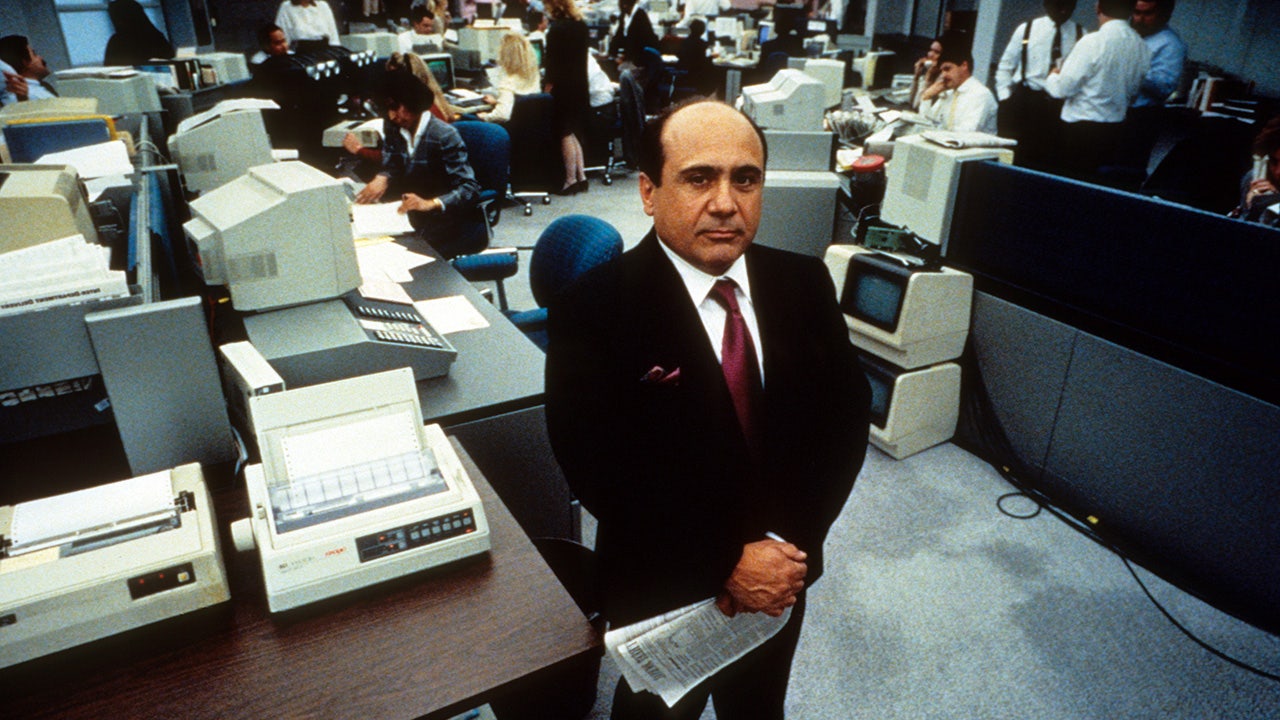
For years I’ve pointed to a movie character as the best example of a principled investor and populist contrarian. Lawrence Garfield, played by Danny DeVito in Other People’s Money, is nobody’s elitist. He comes from nothing, plays down his advantages, and prizes morality over mere profit, which makes his warning about letting capitalism be undermined feel especially sharp.
Garfield’s line in the film hits like a prophecy: “Congratulations. You’re destroying the capitalist system. While everybody else in the world is embracing it, my boys and girls are f—ing it up! You know what happens when capitalism gets f—ed up? The communists come back. They come out of the bushes. Don’t kid yourself. They’re waiting in there…”
That fictional alarm now echoes in real life as elected officials and activists openly flirt with collectivist rhetoric and policies. When politicians talk about swapping “rugged individualism” for the “warmth of collectivism,” that’s not poetic phrasing, it is an agenda. It threatens jobs, property rights, public safety, and the civic institutions that let people build lives and wealth for themselves and their kids.
Older Americans remember what happens when central planning and political control replace liberty. They watched East Germany, the Soviet Union, and Cuba collapse into shortages, repression, and chaos. Those memories are why many seniors and immigrants who fled tyranny are loud, unafraid critics when modern politicians praise or excuse collectivist schemes.
Naturalized citizens who escaped actual communist regimes are especially blunt about the risks, because they lived through ration lines and censorship. They are teaching younger people the real cost of trading freedom for promises of freebies. That grassroots education is political muscle in its own right, and it cuts through the naive utopianism some younger voters are sold today.
Part of the pushback centers on private property and homeownership, two foundations of American liberty. Critics from the left have called homeownership a weapon of white supremacy, saying “Private property including and [sic] kind of ESPECIALLY homeownership is a weapon of White supremacy masquerading as ‘wealth building’ public policy.” That kind of rhetoric turns ownership into a political target instead of a personal achievement and a civic stabilizer.
The response from conservatives is straightforward: property and the rewards of work are not sins, they are the engine of opportunity. Demonizing successful people and confiscating assets in the name of collectivism is an anti-American tactic that corrodes the incentive structure that allows communities to thrive. Homeownership, small business, and private initiative build neighborhoods and families, not the state.
From now to the midterms, expect debates about collectivism, public safety, and education to decide a lot of races. Voters who have seen or escaped the real consequences of socialism are mobilizing to explain how liberty and free markets deliver results. On the 250th anniversary year of our founding, this is not just politics, it’s a test of whether we choose to defend the institutions that made the United States exceptional.
