
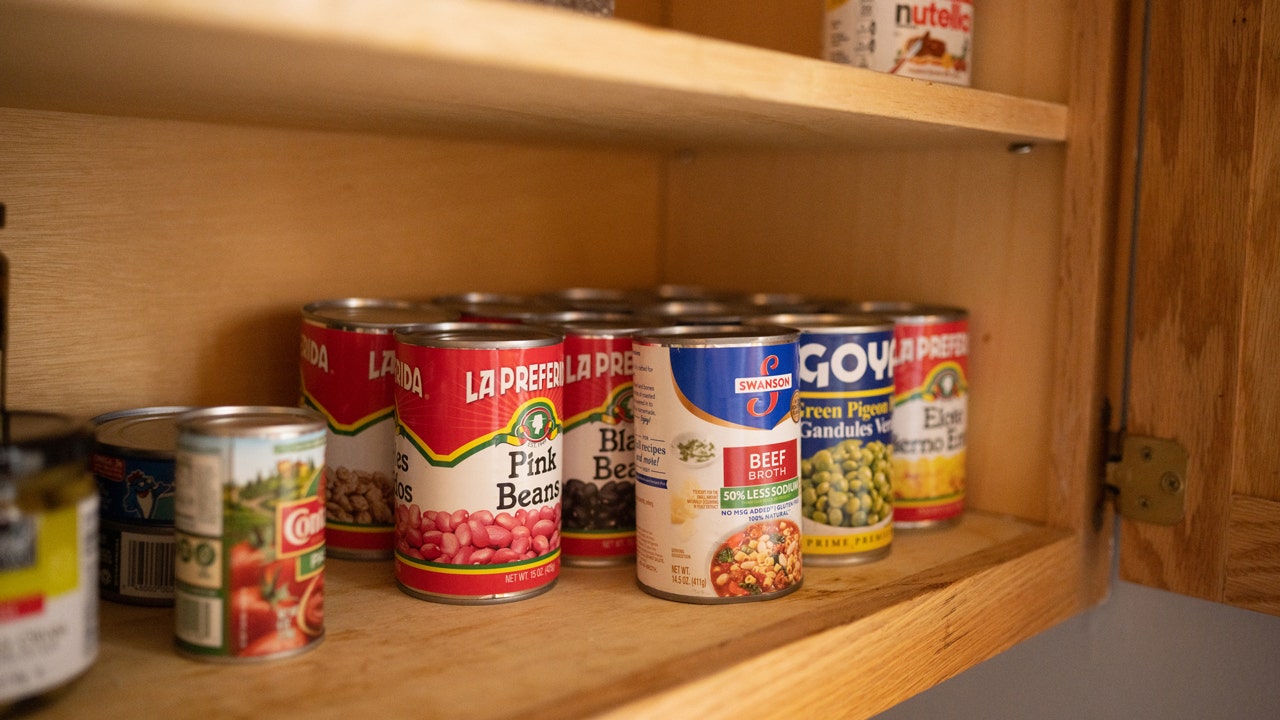
This piece looks at how tariffs on tinplate steel are pushing up the price of canned food, squeezing families and producers, and why that specific trade move no longer fits a pro-growth, America First economic strategy.
I believe in free trade and tough negotiation, and I respect President Trump’s use of tariffs as a bargaining chip to get fairer deals. He’s a master negotiator who has often used the threat of tariffs to make trading partners play by clearer rules. But a tool that helps win broad concessions can still be the wrong choice for particular industries, and that’s what we’re seeing with metal cans.
Families are feeling the squeeze in grocery aisles, where many staples have jumped in price. Overall grocery items rose roughly 25 to 30 percent in recent years, and canned goods climbed about 40 percent over the same period. For households trying to stretch every dollar, those increases are real and politically dangerous for Republicans heading into elections.
One big reason canned goods are pricier is the tariff on tinplate steel used to make metal cans. U.S. can makers now import about 70 percent of the tinplate they use, up from 42 percent eight years earlier. That shift means tariffs on imported tinplate have a direct pathway into the cost of a pantry staple.
Tinplate faced a 25 percent tariff in 2018 and that levy has been raised to 50 percent since last June, driving up costs across the canned food supply chain. When the price of a can goes up, manufacturers pass that right to consumers. It’s notable that roughly one-third of the wholesale price for many canned fruits and vegetables comes from the can itself, so steel policy matters a lot.
The tariffs were supposed to drive more domestic tinplate production. In practice, U.S. Steel has mostly pulled back from tinplate output, with any meaningful new capacity not expected until next year at the earliest and even then at limited volumes. That means tariffs are raising costs without producing the domestic supply needed to replace imports.
The result is a squeeze in two directions: higher-priced American cans and more cheap, pre-filled imported cans undercutting U.S. producers. That competition has real consequences. In January 2026, Del Monte Foods announced it would be closing its Modesto fruit cannery, costing 600 full-time jobs and 800 to 900 seasonal positions. A union representative said the tariffs “increase the cost of canned foods, making it that much more difficult for them to compete in the market against imported peaches that come in already canned.”
Beyond jobs, there’s a national security angle: growing reliance on foreign-filled canned goods, including large volumes from China, creates unnecessary vulnerability in the food supply chain. Consumers end up with a stark choice — pay more for American-made canned goods or buy cheaper imports that may be lower in quality. That trade-off clashes with the America First instinct to protect both producers and consumers.
For American farmers, steelworkers, and iconic brands alike, these tariffs are doing real harm. They punish domestic can makers and food processors while advantaging foreign rivals. If the goal is stronger domestic industry and affordable food, the current tinplate tariff policy is failing that test.
President Trump used tariffs strategically to reshape global trade rules, and that approach still has merit. But when a tariff causes higher prices at the checkout, weakens domestic production, and risks American jobs, it needs to be rethought. That’s why the tinplate steel tariff should be repealed immediately — a fix that restores competitiveness and puts consumers and workers first, not foreign producers. “mmm, mmm BAD.”
