
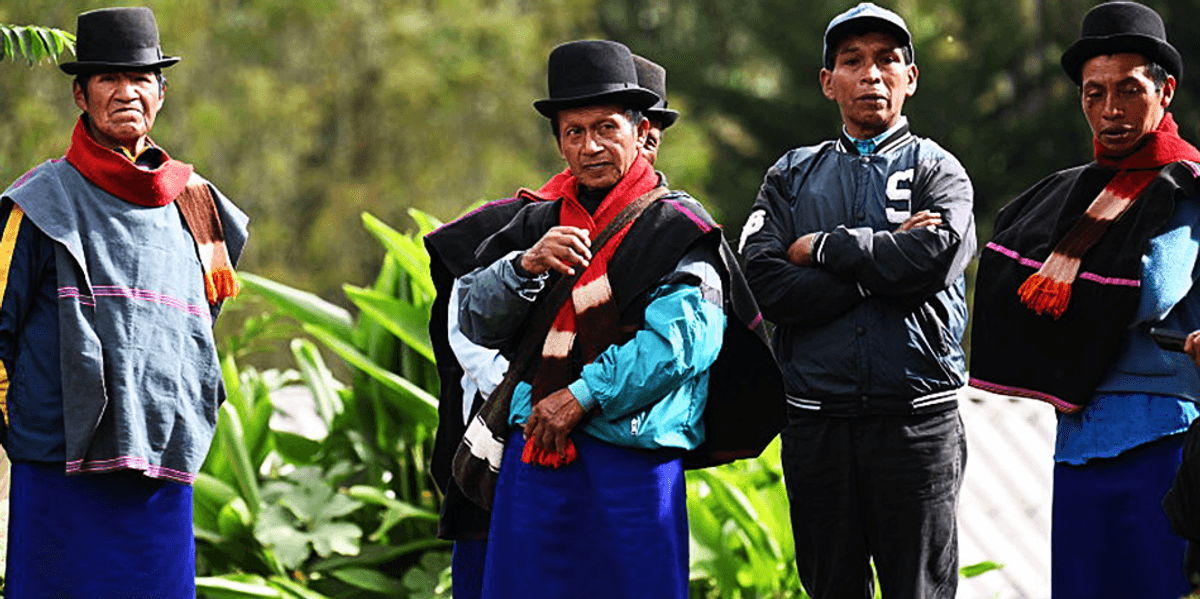
A sudden and violent land dispute in southwest Colombia has pitted two indigenous nations against each other, moving from traditional stone-throwing to machetes, firearms, and explosives as authorities try to calm the region. The Misak and Nasa communities are fighting over an 800-hectare area that both sides claim by ancestry and legal title, and the clashes have left dozens wounded and several dead while drawing national attention. Tensions reflect long-running questions about land rights, territorial control, and how state agencies balance ancestral claims with formal titles.
The confrontation centers on communities near Silvia in the Cauca region, where generations-old presence meets modern legal paperwork. The Misak people say the land belongs to them by ancestral right, while the Nasa community points to formal reserves and occupation. What began as a fight using stones and sticks quickly became far more dangerous as weapons escalated.
Local reports and circulating videos showed large groups hurling rocks and engaging in hand-to-hand clashes before the violence intensified. Within days, machetes and firearms appeared and incidents involving explosive devices were reported, pushing the conflict into a lethal phase. Several homes and motorcycles were set on fire as the fighting spread through contested areas.
Casualty figures remain grim: multiple people have died and many more were injured as the clashes continued. One report cited six dead and more than 100 injured, highlighting how fast a localized disagreement turned deadly. The pattern of violence feeds into broader concerns about the presence of illegal activity and the fragility of security in the region.
Authorities eventually mobilized to restore order, with soldiers and police sent to separate the communities and secure the contested land. The National Land Authority examined legal claims and issued determinations that some interpreted as favoring the Nasa reservation, while insisting on protections for any Misak families living in the area. In explaining its view on the situation, the ANT reportedly said, “There are no ‘defeated towns’ or ‘winning towns,'”
That statement underlines a legal approach focused on documented titles and institutional responsibility rather than battlefield outcomes. For many Misak members, however, the ruling felt like a denial of ancestral ties and a failure to account for centuries of occupation and cultural heritage. Around 500 members of the Misak community traveled to the capital to press their case and demand assurances about land they consider rightfully theirs.
Grassroots footage and online posts amplified the crisis, with at least one viral clip noted for its graphic depiction of the clashes and another for the use of traditional tactics. The footage has drawn attention both domestically and internationally, forcing political actors and rights groups to weigh in. One token in circulation even references a media embed directly:
Humanitarian and oversight bodies have called for calm and for nonviolent paths to resolve the dispute. The Ombudsman’s Office reportedly called for calm and said that “differences should not be resolved through confrontations.” Those appeals emphasize negotiation and legal channels, but they have so far struggled to cool passions on the ground.
https://x.com/0xAlaric/status/2062223944753496255?s=20
Meanwhile, the territory itself is not just symbolic; control affects local livelihoods, access to resources, and who answers for security and development programs. The region has a history of illegal crop production and armed presence, which complicates any attempt to enforce rulings or guarantee safety. Residents and community leaders worry that without a durable, enforceable settlement, the cycle of claims and counterclaims will continue.
For now, the situation remains tense and fluid as state agencies, tribal authorities, and civil society search for a path forward that avoids more bloodshed. Conversations about land titling, ancestral rights, and state responsibility will likely continue long after the immediate violence subsides, as Colombia confronts how to reconcile deep-rooted cultural claims with formal agrarian law. Community leaders and officials alike face urgent pressure to find answers that can hold in practice and stop the fighting.
