
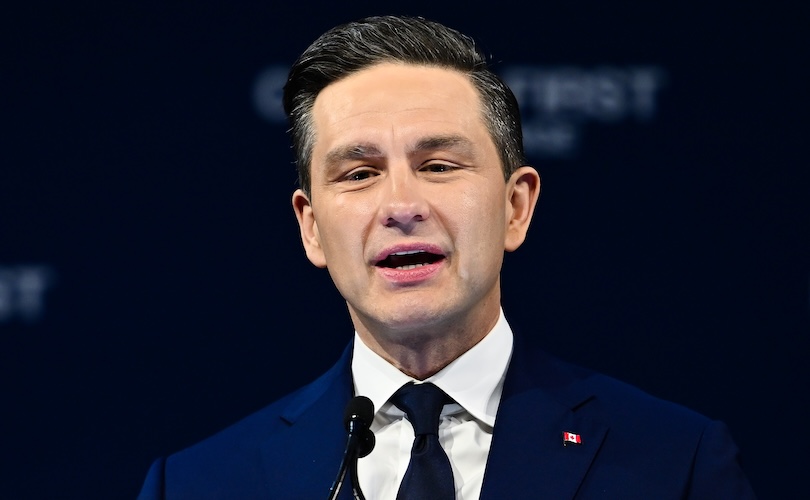
Conservative leader Pierre Poilievre was asked point blank about joining Pride events and answered simply, ‘It’s just not on my plan.’ That short answer closed the conversation and triggered a familiar debate about political priorities, media pressure, and what it means to stand for the people who voted for you. This piece looks at that exchange, why it mattered, and what it signals about choice, leadership, and focus.
The moment was brief but revealing. A reporter wanted a yes or no about attending Pride and Poilievre gave a clean, clipped reply that left no wiggle room. In a political culture that often expects ritual gestures from leaders, his refusal felt like a deliberate boundary. Voters saw a politician who prefers to pick his battles rather than chase optics.
There is a growing expectation that politicians must perform certain cultural affirmations to prove their inclusiveness. That pressure can push leaders to make symbolic appearances that have little practical effect on the issues voters care about. For those focused on taxes, the economy, and national security, a parade can seem tangential. Poilievre’s answer implied a prioritization that his supporters find refreshing and honest.
Critics framed the reply as cold or dismissive, but context matters. A leader’s time is a limited resource, and how they allocate it says more than any staged photo op. Choosing not to attend does not equate to hatred or disrespect. It can signal a decision to stay focused on the core promises that won an election and on policies that affect everyday lives.
Journalists are right to ask questions, but style and tone matter in how those questions are posed. The exchange showed a clash between a press that often seeks dramatic moments and a conservative leader who wants to stay on substance. That friction is not new, and it says a lot about modern political theater. Poilievre’s succinct line ended the performative chase and returned the conversation to policy priorities.
Supporters will point out that saying no to certain events can reflect a commitment to principle rather than a need for public approval. When a campaign promises taxes that are lower and less government intervention, attending every cultural event is not the same as advancing those promises. Poilievre has made clear where his priorities lie, and his base values that clarity. They want action on the economy, not a calendar full of appearances.
There is a broader point about freedom of association and the right to choose where to invest political capital. A leader should not be forced into symbolic acts to validate their empathy or legitimacy. Politics should be about delivering results and protecting freedoms, not performing to satisfy an activist checklist. That straightforward approach resonates with voters tired of spectacle and eager for steady governance.
At the same time, political leaders need to communicate respect for all citizens while staying true to their agenda. Refusing certain engagements can be handled with civility and clear reasoning to avoid alienating people unnecessarily. The tone Poilievre used was curt but direct, and many saw it as preferable to a hollow yes that would mean nothing. A genuine conversation about policy follows honesty better than obliging appearances.
Looking ahead, this moment illustrates a choice modern conservatives often face: engage in every cultural ritual or concentrate on reshaping policy and restoring institutions. Poilievre chose the latter with a short line that made headlines precisely because it refused to dance to the usual script. For voters who want less drama and more results, that choice feels deliberate and welcome.
Ultimately, that simple reply, ‘It’s just not on my plan.’ did more than dodge a question. It framed a leadership style that prioritizes promises over pageantry. Whether you agree or not, the exchange forces a useful conversation about what we expect from elected officials and how they should spend their time. The debate will continue, but for now the answer stands as a clear signal of where this leader’s attention will go.

1 Comment
LBGQT+2Sblahblahblah, totally unsustainable organisations without gooberment funding. Let them die from their own self important weight.