
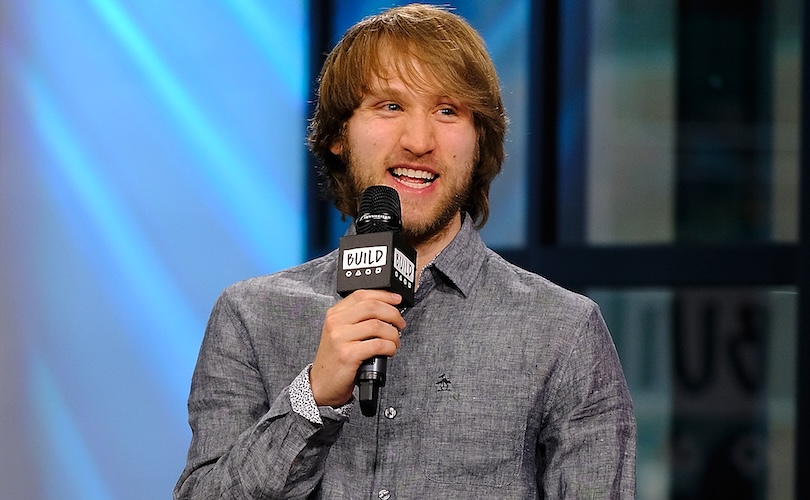
Jesse Ridgway is back in the headlines after he pushed back at critics online with the phrase ‘depravity of people online’ when they condemned his decision to end a pregnancy involving a child with Down syndrome. The reaction has not cooled; instead it’s flared into a broader debate about responsibility, disability, and how public figures respond when called out. This piece looks at the fallout and why conservatives see the moment as both a moral test and a cultural battleground.
Ridgway’s message accused critics of cruelty even as many voices insisted their outrage was grounded in defending the sanctity of life. For a lot of people, this is not merely an opinion clash between strangers on the internet. It’s about whether our culture will keep accepting choices that treat the most vulnerable as disposable.
From a conservative perspective the moral stakes are clear. Abortion is not a simple personal health matter when it involves ending the life of an unborn child, and especially not when disability is used as the deciding factor. People who speak out against that practice are doing so from conscience and conviction, and that kind of public pressure is understandable, even necessary.
That said, branding critics as depraved is a dodge rather than an answer. If you make a public decision and invite public scrutiny, you should expect tough questions and moral disagreement. Labeling the response as depravity attempts to shift the focus away from the act itself and onto the temperament of those pointing it out, which is an evasive rhetorical move.
The cultural pattern here is familiar: influencers treat life decisions as personal brand moments while promoting a kind of consequence-free lifestyle. When consequences arrive in the form of principled criticism, some react by calling the critics cruel. Conservatives argue for accountability without celebrating cruelty, and they point out that defending life should not be mistaken for online mob violence.
There is also a humane angle conservatives emphasize that gets overlooked in heated online debates. People with disabilities and the families that love them deserve support, respect, and a social environment that affirms their dignity. A society that pressures or excuses ending disabled life is failing those families and sending a cold message about who counts.
Ridgway’s case is uncomfortable because it forces a clash between celebrity culture and a consistent pro-life ethic that treats every human life as worth defending. The right response is not to revel in online punishment, but to stand firm in defense of the unborn while also insisting on civil, public conversations. That kind of pressure is how norms change, and it’s how a culture remembers which lives are protected and which can be discarded.
