
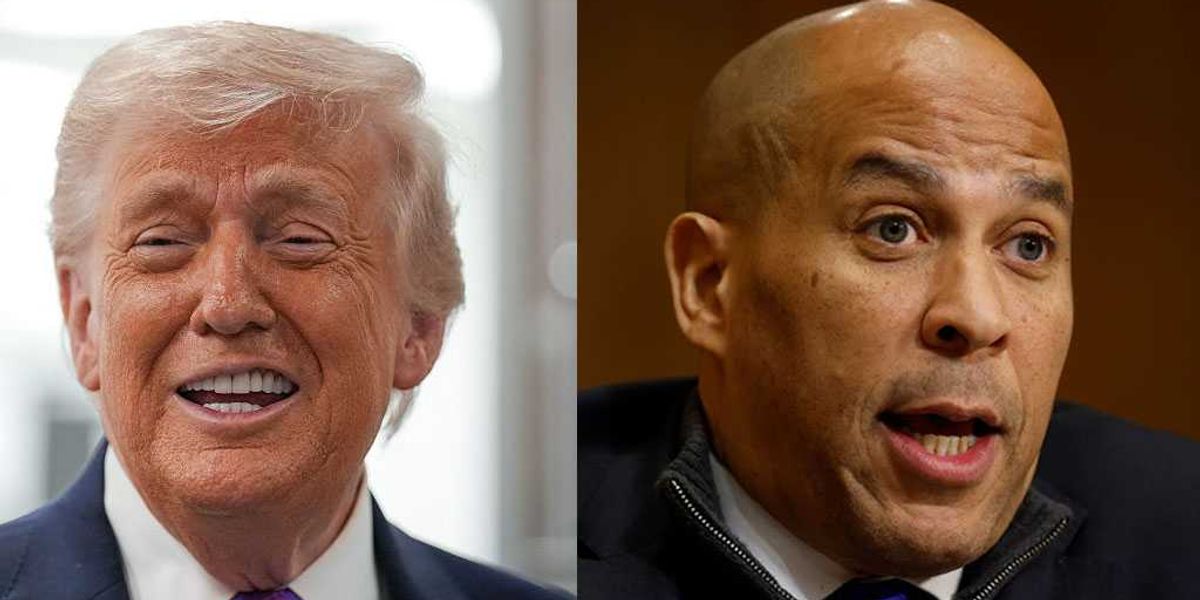
President Trump has moved to make acting Attorney General Todd Blanche the permanent nominee, and the announcement has already drawn fierce Democratic opposition. Supporters say Blanche is cleaning house at the Justice Department and pushing back on past abuses, while critics call him politicized and unfit. The confirmation fight looks set to be a major test of priorities in Washington, with both sides digging in.
Trump removed Pam Bondi from the attorney general role and tapped Todd Blanche to step in as acting attorney general, then revealed his intention to make Blanche the permanent AG during a private Rose Garden dinner. The president framed the move as a fast, necessary fix to restore order at the Justice Department. “Tomorrow I’m instructing Dan and everybody else that’s involved in that very complicated process, which is gonna go, I think, very quickly, that we are going to make him permanent attorney general.”
Democrats responded almost immediately with alarm and vows to block the nomination. U.S. Sen. Cory Booker minced no words about Blanche’s priorities, painting a picture of political prosecutions and overreach. “This is a man that has been involved in investigating the chairman of the Fed, investigating former people that the president has perceived as his enemies. And they’re weaponizing that agency. They’ve even gone after United States senators,” said Booker.
Booker kept up the criticism on cable, arguing that Blanche’s motives are partisan rather than institutional. “His only qualification, which seems to be all that President Trump wants from people, is that they are willing to do his bidding and they will act like his own personal attorneys, which he was, and not like somebody upholding the highest law enforcement office in the land,” continued Booker. He capped his remarks with a blunt assessment: “This is not a serious person.”
Those on the right see a different record. Under Blanche’s acting leadership the Justice Department has pursued high-profile actions aimed at accountability, including indictments tied to James Comey, scrutiny of activist organizations, moves related to international figures, and a new focus on financial fraud. The department also launched a National Fraud Enforcement Division to concentrate resources on complex fraud schemes that harm ordinary Americans.
That work, supporters argue, is the exact opposite of politicization: it’s enforcement where prior administrations let problems fester. Republicans point to tangible results rather than rhetorical attacks, saying Blanche is rebuilding the department’s focus on victims and national security. For many conservatives, a DOJ that prosecutes corruption and restores law and order is overdue.
Senate dynamics matter. Blanche was confirmed as deputy attorney general last year in a 52-46 vote, showing he can secure support even amid partisan heat. Democrats insist that history of votes isn’t proof of suitability for the top job, and they’ve already signaled they will exploit every procedural tool to delay or block a full confirmation.
Not every criticism has stuck to policy. Sen. Richard Blumenthal exploded publicly over the pick, “Corrupt & compromised by feckless Trump fealty, Blanche is a nonstarter as AG.” Such rhetoric underscores how the debate has shifted from record to rhetoric, but it also highlights the stakes: this fight will test whether policymakers prioritize stability and enforcement or partisan advantage.
The coming weeks will be a flinty showdown: hearings, media standoffs, and a Senate vote that could define the next chapter of the Justice Department. Republicans pushing Blanche argue the nation needs a confident, results-driven leader who will take on fraud and institutional abuse. Democrats say that appointment would hand the department to someone who acts as the president’s personal attorney rather than the country’s chief law officer.
