
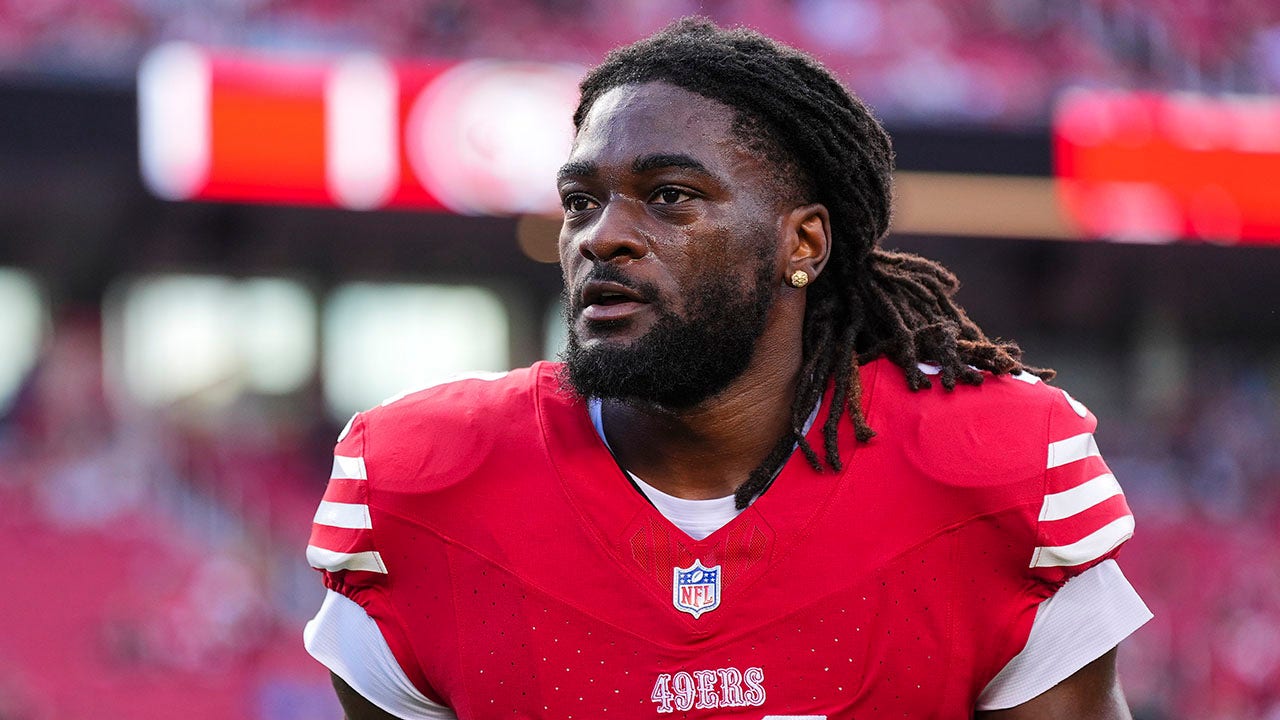
Brandon Aiyuk is now facing a misdemeanor arrest warrant for exhibition of speed after posting a video showing himself driving 104 MPH near Levi’s Stadium. The clip has triggered legal attention, raised questions about judgment, and stirred reactions from fans and critics alike.
The video that set this off shows Aiyuk behind the wheel at a high rate of speed, clearly near the stadium where he plays. Law enforcement says that behavior qualifies as exhibition of speed, a misdemeanor in many jurisdictions, and that has led to the warrant. At a glance, it’s a simple sequence of events that became a public problem once shared online.
Beyond the legal label, this is about optics and responsibility for a high-profile athlete. Players know cameras are everywhere and anything they post can be amplified instantly, so the decision to post such footage looks reckless. The NFL and the 49ers both watch those optics closely because public missteps can ripple into fines, team discipline, or sponsor pushback.
On the legal side, exhibition of speed typically means intentionally driving in a way that displays speed to others and risks safety. Penalties vary, often including fines, possible community service, and occasionally brief court appearances. For Aiyuk, the misdemeanor warrant means he’ll have to deal with the court system and its deadlines, which adds a layer of distraction during the season.
From a team perspective, coaches and management tend to balance punishment with the player’s value on the field. The 49ers will be weighing the disruption against Aiyuk’s contributions as a wide receiver who can change games. Still, organizations are increasingly sensitive to public behavior and its impact on locker room culture and brand reputation.
Fans are split, with some defending a mistake made in a moment of poor judgment and others calling for accountability. Social media reactions ran the gamut from outrage to calls for second chances, which is typical when a player’s off-field conduct meets a viral moment. What matters most for many supporters is whether the player owns the mistake and shows steps to make amends.
There’s also the personal safety angle. Driving at speeds like 104 MPH increases the chance of a crash and puts other drivers at risk. Public figures have a louder megaphone, and reckless behavior on the road can be a dangerous example, whether intended or not. Legal consequences aside, the moral takeaway is the same: risky stunts behind the wheel carry real consequences.
Practically, the next steps are straightforward: the warrant process, potential arraignment, and whatever penalties a court hands down. If Aiyuk complies and addresses the issue swiftly, it could minimize long-term fallout. If not, the matter could linger and complicate both his season and public standing.
Ultimately this is one of those moments where private choices and public life collide. Celebrities live in a thin glass box now, and a few seconds of footage can become a headline and a legal matter. How Aiyuk handles the aftermath will shape the narrative more than the clip itself.
