
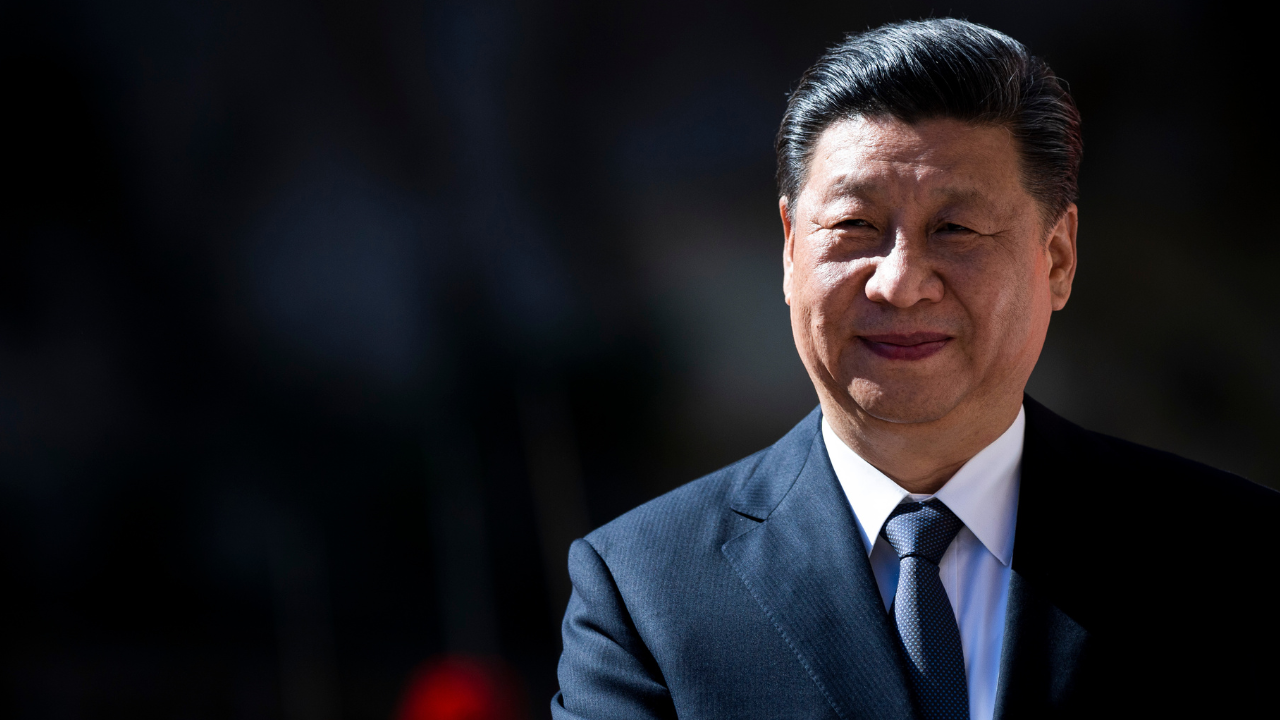
Xi Jinping’s upcoming trip to Washington is loaded with high-stakes issues, from trade and technology to investment and global power politics. But the clearest test of goodwill may be something far more personal and far more visible: whether China is willing to free Jimmy Lai and send him home.
When Xi sits down with President Donald J. Trump, the list of topics will be long and tense. Tariffs, artificial intelligence, competition, and the future of the U.S.-China relationship will all be on the table, and Xi is expected to arrive with a sizable delegation of business leaders.
That business-heavy entourage sends its own message. Beijing wants smoother ties and easier access to American markets, especially as tariffs and trade limits keep pressure on China’s economy.
Still, if Xi wants to show he is serious about fairness and not just trying to bargain for leverage, the move that would matter most is simple: bring Jimmy Lai. The Hong Kong publisher and democracy advocate has become a symbol of Beijing’s crackdown on free expression.
Lai is 78, a British Catholic, and a longtime defender of democratic ideals in Hong Kong. He was convicted in late 2025 under national security and sedition charges tied to Beijing’s sweeping security law, then handed a 20-year sentence that amounts to a life term for someone his age.
His detention has been widely seen as punishment for speaking out, publishing criticism, and refusing to bow to Chinese Communist Party pressure. The reaction outside China has been blunt, with governments and international bodies calling for his release.
The United Nations Working Group on Arbitrary Detention has demanded that Lai be freed immediately, and the United Kingdom, Canada, Australia, and other G7 nations have echoed that call. That kind of broad pushback does not happen for a routine legal case.
Lai’s health makes the situation even more serious. He has spent more than five years in prolonged solitary confinement, often in punishing heat, and reports have described diabetes, high blood pressure, heart concerns, and extreme fatigue.
He has also reportedly been denied independent specialist medical care, which only deepens the outrage surrounding his imprisonment. For critics of Beijing, the message is hard to miss: this is not about justice, but about control.
That is why a gesture from Xi would land so loudly in Washington. Freeing Lai, and bringing him to the United States as a sign of respect, would say more than a stack of talking points ever could.
Trump has been pressing the case for Lai for a long time, and he has reportedly raised it directly with Xi before. He has framed the issue in plain terms, arguing that Lai tried to do the right thing and should not be left to rot in prison for it.
None of this would magically erase the bigger disputes between the two countries. Tariffs, Taiwan, rare earth minerals, tech restrictions, human rights, and industrial rivalry would still be there the next morning, staring everyone in the face.
But that is exactly why the gesture would matter. In diplomacy, especially with China, symbols can punch harder than speeches, and the release of one jailed publisher would be a visible sign that Beijing is willing to lower the temperature.
If Xi truly wants to start his Washington visit on stronger footing, he has a clear opening. Let Jimmy Lai walk out free, let his family take him home, and let the first big headline from the summit be about mercy instead of repression.
