
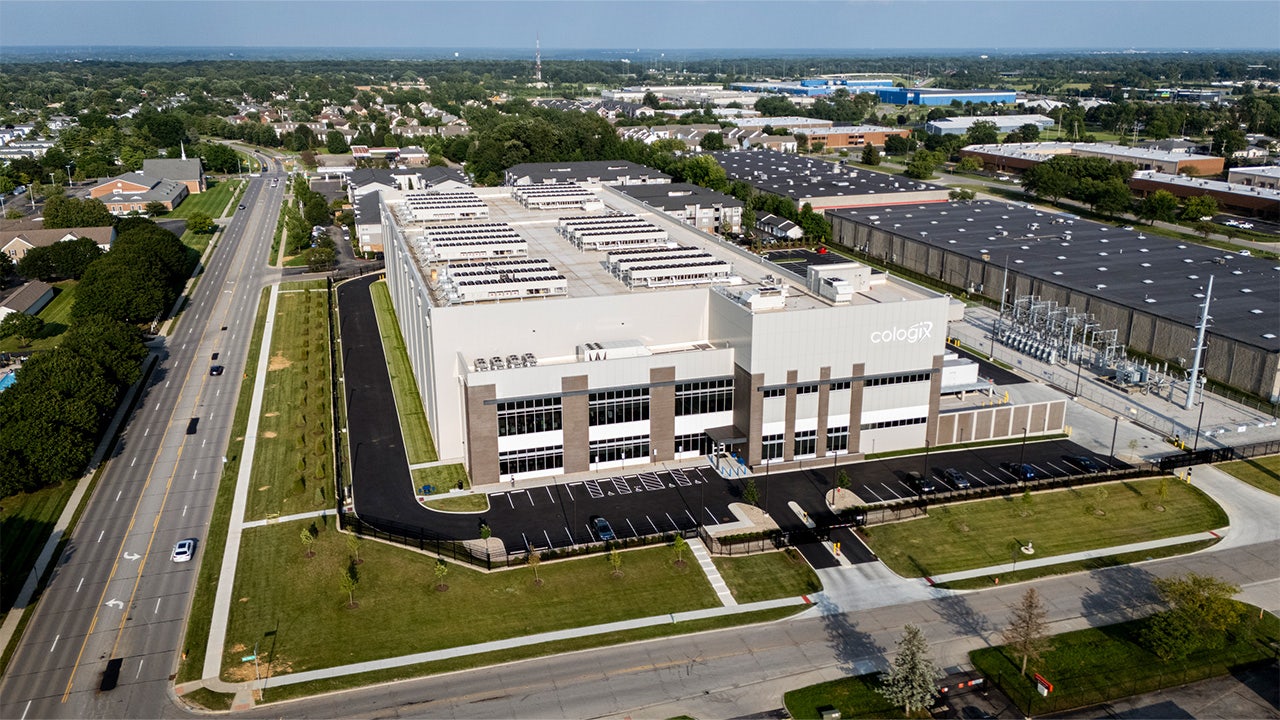
America is in a race that is moving fast, and the stakes are bigger than just business or convenience. AI data centers sit at the center of that race, because they control the computing power, data flow, and intellectual property that will shape the next wave of innovation. If the United States stalls while rivals keep building, the gap will not stay small for long.
Reindustrialization has become a real force again, but the backlash to AI infrastructure shows how easy it is to repeat old mistakes. The country spent years watching critical production drift overseas, only to discover that dependence is hard to unwind once it sets in. AI could become the next version of that trap if the push for domestic buildout gets buried under fear and delay.
The basic reality is simple: AI is not going away, no matter how many calls are made for moratoriums. Other countries are moving aggressively, pouring money into data centers, tax breaks, and regulatory shortcuts to grab the lead. China is treating the field like a strategic contest, and the United States cannot afford to answer with hesitation.
What makes this issue so sensitive is that the infrastructure is not just about power and servers. The data moving through these centers, along with the models and intellectual property tied to them, carries enormous value and enormous risk. Whoever hosts the hardware also gains leverage over privacy, security standards, and the pace of future breakthroughs.
That is why hostile actors would love to see critical AI capacity pushed out of the United States. Data flowing through insecure systems can be harvested, studied, or abused to strengthen rival AI efforts. It can also be manipulated during training in ways that are hard to detect, which means a compromise in the infrastructure can quietly poison the results people rely on later.
Compute matters just as much, and the United States still holds a major advantage there. Hosting a large share of the world’s high-performance compute gives America a real strategic edge, but that edge only matters if it is protected and expanded. Strong export controls and domestic semiconductor growth help, but chips do not do much good if the places they are destined for end up overseas and out of reach.
There is also a straight-up economic warning attached to all of this. If AI data centers are built abroad instead of at home, the chips, suppliers, and support industries will naturally follow the work. That weakens U.S. resilience, drains momentum from domestic manufacturing, and makes it harder to keep the innovation ecosystem anchored where it belongs.
The national security side is even harder to ignore. In a major crisis, the country that owns the capacity gets to decide how it is used, who gets served first, and what gets protected. If that capacity is scattered elsewhere, the United States could find itself waiting in line for resources that should have been under its own roof.
Military planners, researchers, startups, and universities all depend on reliable access to computing power. Demand is already tight, and it will only get tighter as AI tools spread into more fields. Building and keeping this infrastructure in America helps ensure that strategic needs come before foreign bottlenecks or outside pressure.
There is also the issue of intellectual property, which sits at the heart of AI competition. Model weights, training systems, and proprietary breakthroughs are exactly the kind of crown jewels adversaries want to steal or imitate. Letting key infrastructure drift overseas would make that theft easier and hand rivals a cleaner path to their own versions of American technology.
The answer is not to slam the brakes, but to move with purpose. Federal land, clear permitting, and smarter coordination can make rapid buildout more realistic without turning the process into a local political food fight. At the same time, allies should be encouraged to build secure systems using American standards, so the U.S. tech stack becomes the trusted option instead of the risky one.
It also makes sense to leave room for better solutions as the technology matures. AI does not have to rely forever on the same heavy, power-hungry model if innovators are given space to improve efficiency and design. The real goal is to keep America ahead while building the capacity to adapt, because in AI, standing still is just another way of falling behind.
