
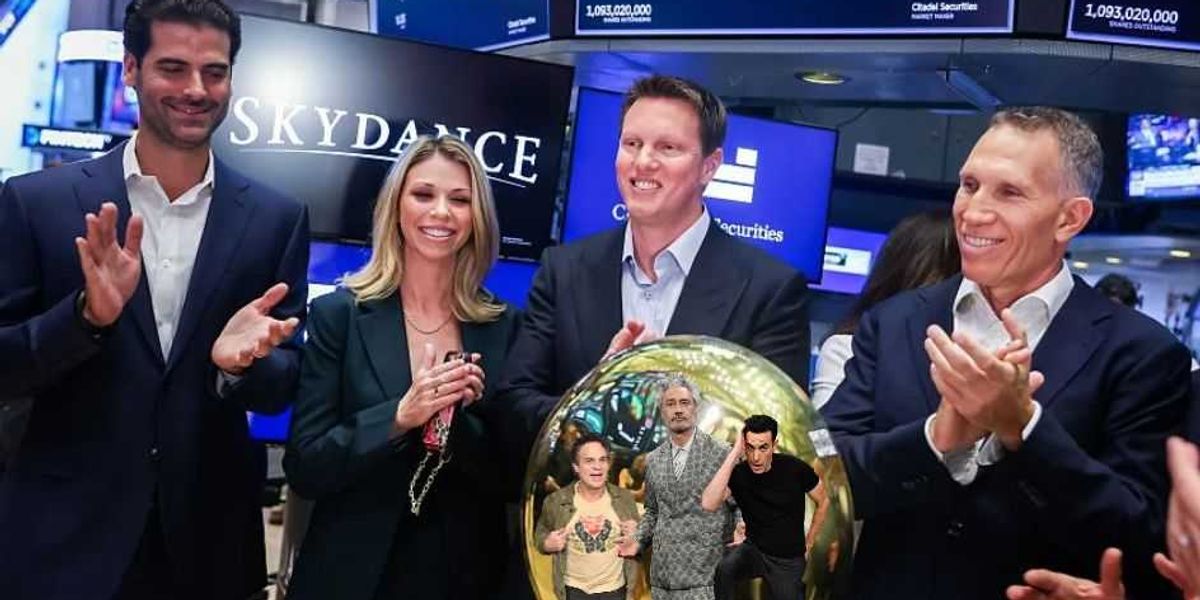
Hollywood is in another messy mood swing, and this time the pressure is coming from both inside and outside the studio system. Skydance’s rise has rattled the old guard, while a growing number of loud, image-conscious celebrities keep finding themselves at odds with a public that is less impressed by speeches and more interested in results.
That shift matters because the entertainment business has always relied on polish, control, and a little bit of fantasy. But when the people selling the fantasy start picking fights, preaching politics, or tripping over their own contradictions, the whole act looks thinner. The audience notices when stars sound more like activists than performers.
David Ellison and Skydance have become central to that changing mood, with the company’s ambitions reflecting a more practical, less theatrical version of Hollywood power. The message is simple: the business side still matters, and the market tends to reward discipline over noise. In an industry that once acted untouchable, that is a rude awakening.
At the same time, some of Hollywood’s most familiar faces keep drawing headlines for the wrong reasons. Sacha Baron Cohen, Mark Ruffalo, Jenna Ortega, and other high-profile names have each become part of the broader culture clash, whether through political commentary, awkward branding, or endless attempts to stay plugged into the latest outrage cycle. The public appetite for that routine is shrinking fast.
Part of the problem is that the celebrity lecture circuit has worn out its welcome. When actors and entertainers try to position themselves as moral referees, it often lands with a thud because the audience can see the double standard immediately. People are tired of being talked down to by millionaires whose own worlds are insulated from the consequences of the policies and causes they promote.
Hollywood also keeps underestimating how badly its own internal culture has frayed. A lot of the same studios and talent agencies that once pushed a rigid, left-leaning consensus are now dealing with a fragmented public that no longer accepts the script. That tension is showing up in casting choices, promotional campaigns, and the way stars are received when they step into the political arena.
Then there is the money problem, which always gets more honest than the press releases. Investors want stability, audiences want entertainment, and the industry cannot thrive if it spends every news cycle chasing ideological purity tests. The old model of assuming fame alone can carry a project is getting exposed, and the box office keeps reminding everyone of that fact.
Even the biggest names can no longer float above the fallout. When celebrities attach themselves to political causes, foreign conflicts, or social crusades, they often think they are expanding their influence. Instead, they can end up narrowing their appeal and making themselves easier targets for backlash, parody, and public fatigue.
That is why Skydance’s momentum feels so different from the chaos around the entertainment elite. It represents a version of Hollywood that still understands scale, audience taste, and business fundamentals without pretending every production has to become a manifesto. In a town built on illusion, that kind of realism can feel almost rebellious.
The bigger story is that the culture has changed, and the stars have not fully caught up. The old tricks of moral branding, self-congratulation, and curated outrage do not land the way they once did. Hollywood can keep trying to sell the same attitude, but the crowd is getting harder to fool and even harder to impress.
