
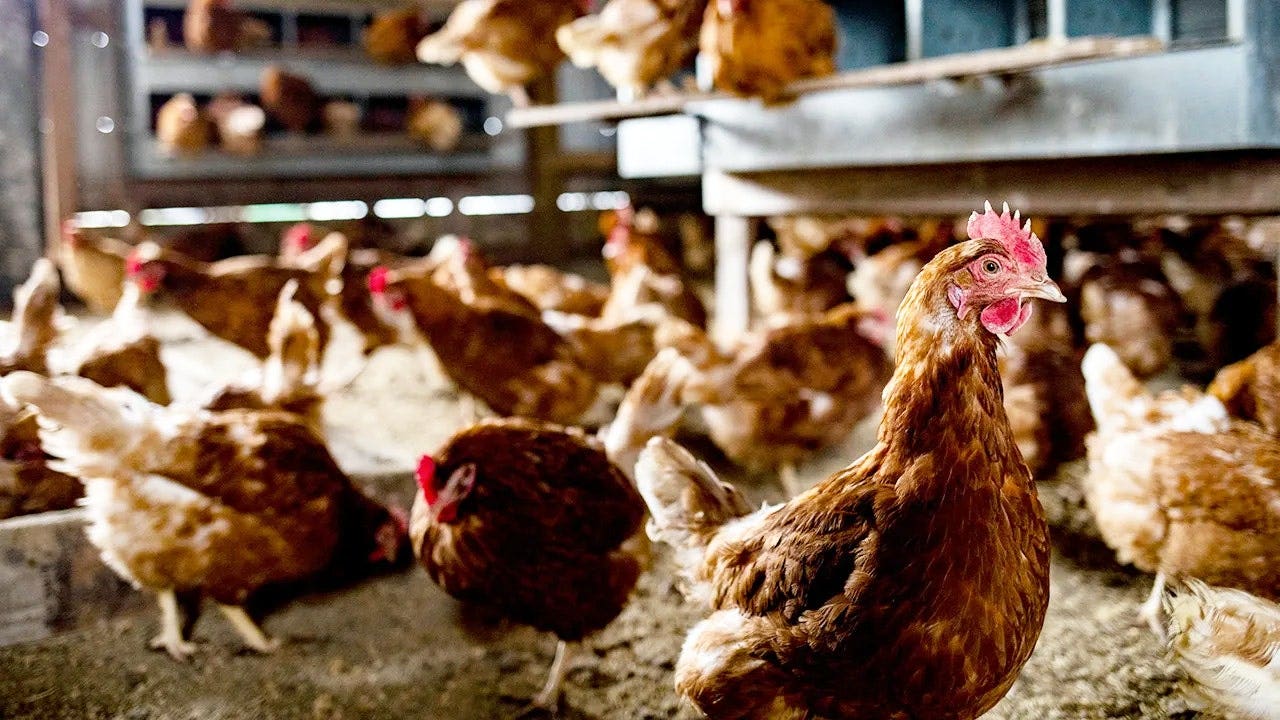
A highly contagious bird flu case in Wisconsin has put backyard poultry owners on alert after state agriculture officials confirmed the virus in a Rusk County flock and ordered the birds removed from the property. The move was made to stop the disease from spreading further, and officials stressed that none of the affected birds will enter the food supply.
The Wisconsin Department of Agriculture, Trade and Consumer Protection said the flock was infected with highly pathogenic avian influenza, or HPAI, a strain that can be devastating to domestic birds. Officials did not say how the flock was exposed, which is often the frustrating part of these outbreaks because the trail can be hard to trace once the virus starts moving.
HPAI has been circulating among wild and domestic birds across North America since late 2021, and it remains one of those threats that can flare up fast and cause real damage. The virus is caused by influenza type A viruses, and the severity can shift depending on the strain and the species it hits.
Transmission is the part that keeps poultry owners on edge. The virus can spread through infected birds, wild birds, droppings, or even contaminated gear and clothing used around animals, which means a backyard setup can be vulnerable in ways many people do not expect.
That is why state officials moved quickly once the infection was confirmed. All birds on the property were euthanized, and while that is a tough step, it is standard practice when the goal is to shut down an outbreak before it has room to expand.
Officials said the birds will not enter the food supply, a detail that matters for consumers who may hear about a poultry outbreak and immediately wonder what it means at the table. In this case, the response was aimed squarely at containment, not at food safety panic.
The outbreak also triggered reminders about what poultry owners can do to lower risk. DATCP urged people to wash their hands, disinfect equipment, keep access to animals limited, and isolate any new birds for at least 30 days before mixing them with the rest of the flock.
Keeping birds indoors when possible was another recommendation, especially when wild birds are active nearby. That advice may sound simple, but it can make a real difference when a virus is moving through the environment and tracking along feathers, droppings, or shared surfaces.
When HPAI shows up in a backyard flock, officials may establish a 10-kilometer surveillance zone around the site. Even then, surrounding poultry premises are not automatically hit with movement restrictions, which helps keep response efforts focused without freezing every nearby operation in place.
For small flock owners, the warning is hard to ignore because backyard birds often live closer to people, pets, and open air than commercial operations do. That makes biosecurity less of a buzzword and more of a daily habit, especially in a state where seasonal movement by wild birds can keep pressure on poultry every year.
Bird flu remains a problem because it does not need much help once it finds a path in. A single lapse, a muddy boot, a contaminated crate, or contact with wild birds can be enough to turn an ordinary backyard flock into the next site of a fast-moving outbreak.
