
The political fight over corporate independence has hit a new gear, and the stakes are bigger than a few committee hearings. After years of pressure to embrace progressive activism, some companies are stepping back, and Democrats are now signaling that those moves could become targets. The result is a sharp clash over whether business should answer to shareholders and customers, or to whichever side of the culture war holds power in Washington.
The latest warning came from a sprawling Democratic investigative blueprint that lays out a broad road map for scrutiny of companies seen as drifting away from the left’s agenda. That same pressure is now being paired with public threats from leading Democrats who say they are ready to come after firms that work with Trump or refuse to play along with activist politics. The message is hard to miss: cooperation with the current administration may soon be treated as a red flag.
That approach has opened a major hypocrisy problem. For years, corporate America was pushed to adopt left-leaning slogans, diversity mandates, and political commitments that had little to do with making products or serving customers. Now that some of those companies are backing away from the activism, the left is acting as if retreat itself is the offense.
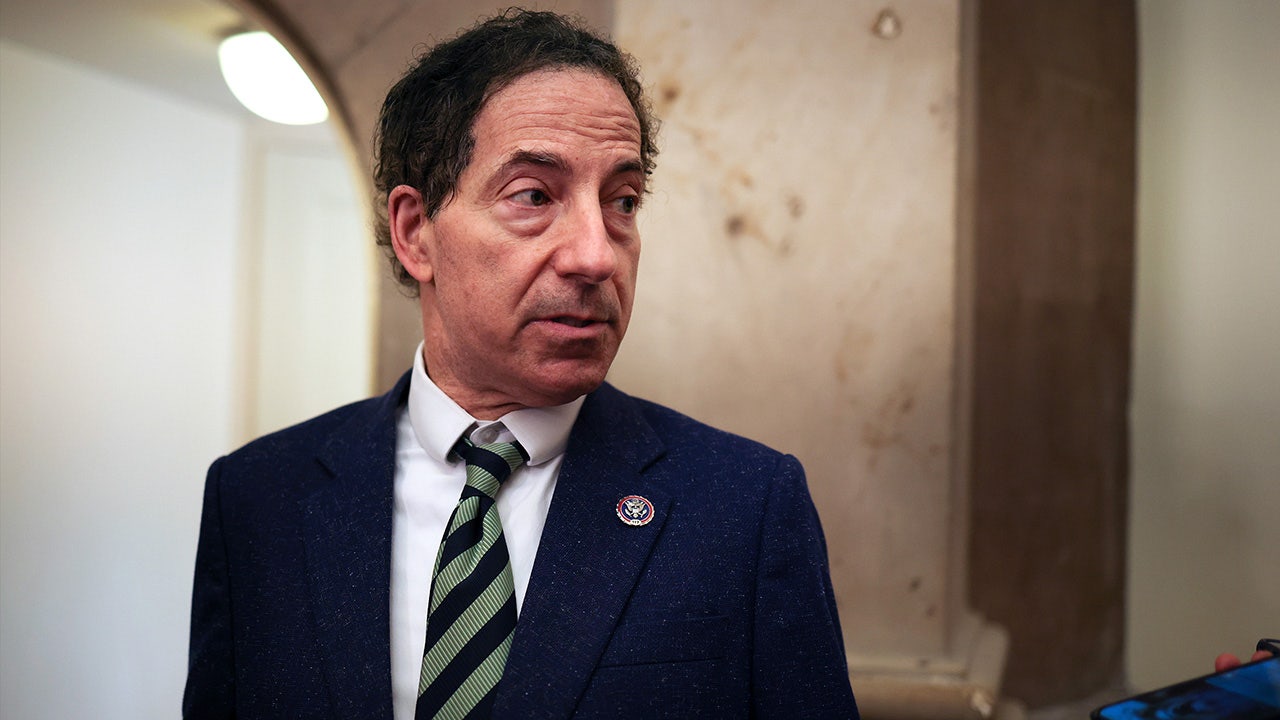
Rep. Jamie Raskin has made that posture especially clear with his talk of going after private corporations that he says are tied to Trump-era lawlessness. He has also taken aim at law firms that made agreements with the administration and trimmed their DEI programs. What gets framed as oversight starts to look more like punishment for refusing to keep kneeling to progressive demands.
The pressure campaign that helped shape corporate behavior did not appear overnight. ESG scoring, activist shareholder drives, and public ranking systems turned large companies into political targets, often steering attention away from performance and toward ideology. Boards, executives, and marketing teams were told that showing loyalty to activist causes was part of modern business, even when the move invited backlash from customers and employees.
That shift has had real consequences. Merit-based hiring got pushed aside in favor of identity checklists, while public-facing corporate messaging became a minefield of culture-war symbolism. Instead of sharpening focus, these efforts often distracted companies from the basics, raised legal risk, and alienated the very people keeping the business alive.
Plenty of firms are now trying to get back on track. They are dropping ideological scorecards, pulling back from political branding, and putting more weight on performance and competence. Those choices should not be treated as betrayal. They are a return to common sense, especially after a long stretch of activist overreach.
That is what makes the new threats so revealing. If a company is expected to obey progressive demands one year and then face investigations for stepping away the next, the issue is not accountability. It is control. The standard keeps changing, but the demand for obedience never does.
Corporate leaders already answer to clear legal duties, and those duties do not include serving as a tool for partisan politics. Their job is to protect the corporation, create value, and act in the interest of shareholders, not to please activist groups or congressional power players. Once that line gets blurred, business stops being business and turns into a political battleground.
That is why the current pushback matters so much. Companies that have decided to leave activist culture behind are doing what many customers and investors have wanted all along. They are narrowing their focus, cleaning up their operations, and trying to operate without a political script attached to every decision.
There is still a choice ahead for Democrats in Congress. They can use their majority to launch partisan fishing expeditions against companies that rejected activist orthodoxy, or they can let businesses compete, hire, innovate, and serve the public without ideological litmus tests. One path feeds the same dysfunction that drove so many firms to retreat in the first place, while the other gives American enterprise room to breathe again.
That fight is not really about one committee or one set of subpoenas. It is about whether private companies get to make business decisions without being bullied into political obedience. And for plenty of firms, that question has already gone from abstract to urgent, which is why so many are refusing to be dragged back into the same trap.
