
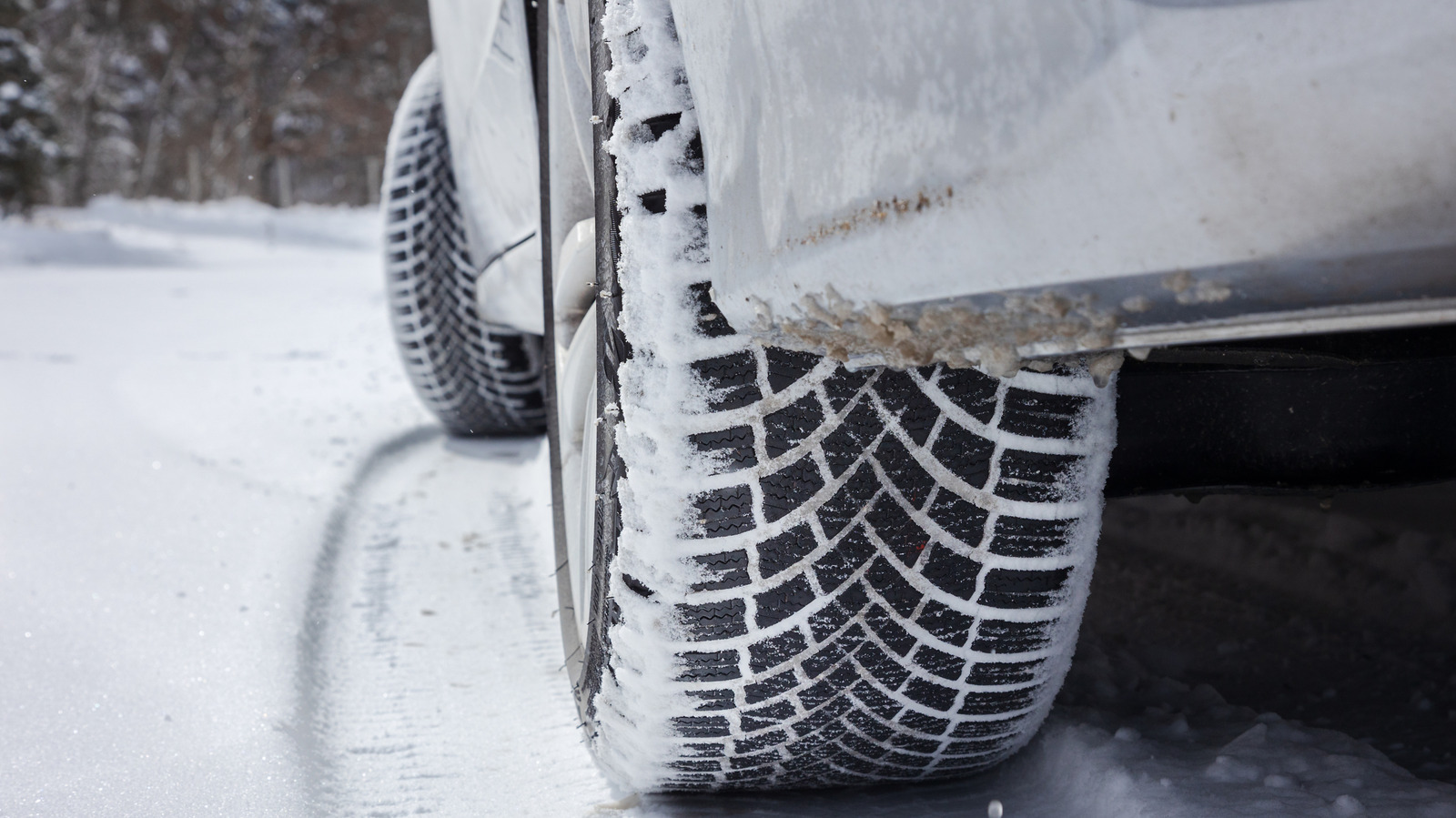
Choosing the right time to swap tires can make a bigger difference than many drivers expect. Fall often brings that awkward stretch where mornings feel wintery, afternoons still feel mild, and the road surface can change fast enough to catch people off guard.
Winter tires are built for cold-weather grip, not just for snow days. Once temperatures settle into the colder range, they can help with control, braking, and confidence, while delaying the switch too long can leave a vehicle less ready for what the season throws at it.
In practice, that means the calendar matters less than the weather pattern. A short warm spell does not erase the need for winter traction, and a sudden cold snap can make waiting a bad bet if the roads are already flirting with frost and ice.
Winter tires are meant for temperatures at or below 45 degrees Fahrenheit, where their rubber stays flexible enough to bite into cold pavement and packed snow. When the thermometer climbs above that range, though, those same tires start to wear faster and lose some of the efficiency drivers are used to on normal roads.
That wear is not just a small inconvenience. Softer winter compounds on warm asphalt can shorten tread life, raise fuel use, and make the vehicle feel a little less sharp in everyday driving, especially when the roads are dry or simply damp.
Handling is part of the trade-off too. On warmer pavement, winter tires can feel less precise during turns and can respond more sluggishly when it is time to stop, which is why they are best saved for conditions that actually call for them.
A practical way to judge the timing is the 7-7 rule, which points to switching once temperatures stay under 45 degrees Fahrenheit, or 7 degrees Celsius, for seven straight days. It is a simple benchmark, and while weather is never perfectly obedient, it gives drivers a solid place to start.
Local climate still has the final say. Northern regions can see frost early in the season, while milder coastal areas may stay comfortable well into November, so the right moment depends on where the car spends most of its time and what the dawn commute feels like.
All-weather tires can blur the line a bit for drivers who deal with a long shoulder season. They carry the Three-Peak Mountain Snowflake symbol, which means they were tested in medium-packed snow and can handle more than a basic all-season tire usually can.
That makes them useful in places with mixed weather and frequent temperature swings. For drivers who see light snow, occasional cold, and not much ice, all-weather tires can serve as a decent middle ground without forcing an immediate winter-only setup.
Still, that middle ground has limits. The 3PMSF marking does not mean the tire is equal to a dedicated winter model, and it does not guarantee the same bite on ice or the same confidence when roads get slick in a hurry.
That gap matters most in places where winter is the real deal. If ice shows up often or snowfall tends to stick around, proper winter tires remain the safer choice because they are designed for maximum traction when conditions get nasty.
For drivers trying to read the season, the smartest move is usually to watch both the forecast and the thermometer. When cold weather starts hanging around instead of just passing through, the road starts asking for a different set of tires, and waiting too long can make that lesson expensive.
