
The Times Square standoff put a sharp spotlight on a question that sounds simple but gets complicated fast: why a Taser can hit a target and still not shut a person down. In this case, the failure appeared tied to a messy mix of body size, clothing, probe placement, and the kind of force officers were facing in a split-second encounter.
According to the account from the scene, officers deployed Tasers multiple times during a confrontation with Pamela Cisneros after two people were stabbed. The device did not stop her advance, and the situation escalated until police opened fire. That sequence pushed a familiar tool into the center of a very public debate about how and when it works.
A Taser is built to fire two small probes that connect to the body through conductive wires. Once both probes make proper contact, the device sends electrical pulses that trigger involuntary muscle contractions, which is the whole point of the tactic. The catch is that the probes need the right spacing and the right kind of contact to create that effect.
Placement matters more than most people realize. Officers are trained to aim for large muscle groups like the back and thighs, because those areas tend to give the device a better chance of working as intended. If one probe lands in a good spot and the other ends up on clothing or misses the body entirely, the circuit can fail.
Clothing can be a real problem, especially thick layers like heavy jackets, padded outerwear, or bulky winter gear. Even when a probe lands, insulation can interfere with the connection and blunt the result. That means a person may still feel the shock and keep moving, even though the Taser has technically fired correctly.
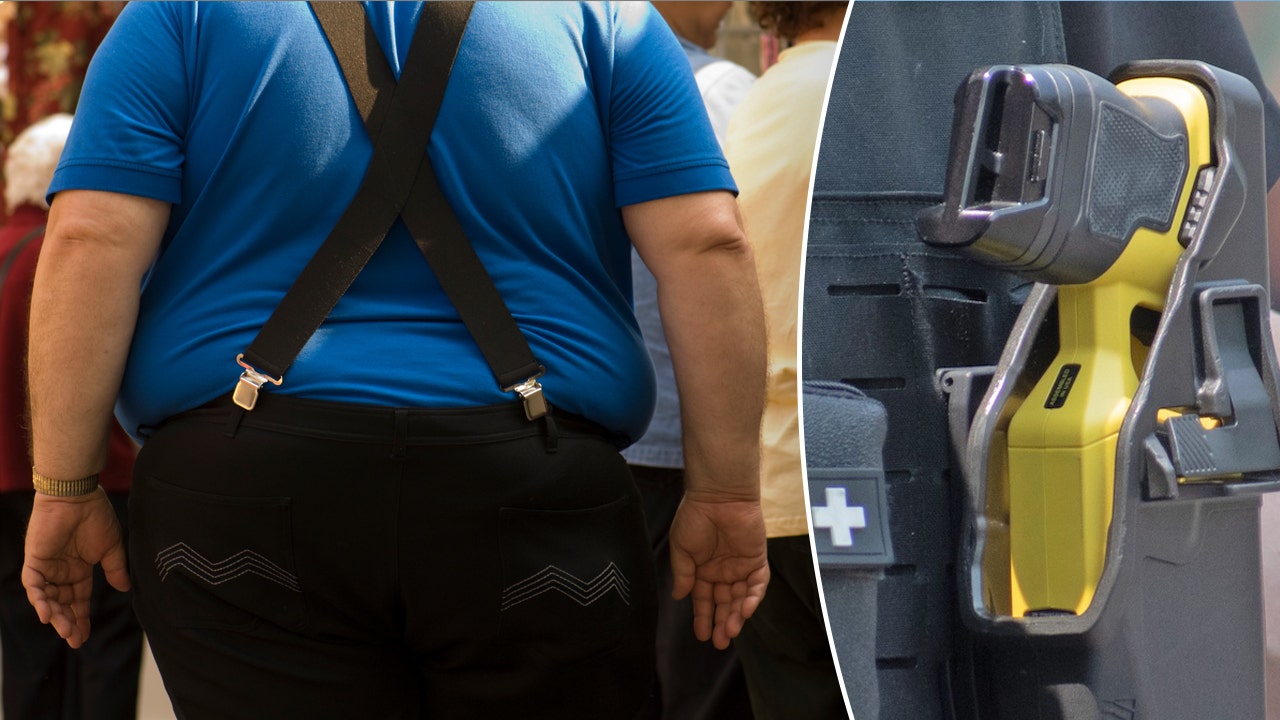
Body composition can add another layer of difficulty. Experts note that muscle conducts electricity better than fat, so a larger amount of body fat can reduce effectiveness in some situations. That does not mean a Taser is useless on an overweight person, but it can make the outcome less predictable.
Retired police sergeant Steve Keller pointed to several common reasons these devices come up short, including clothing, probe placement, substance use, and simple connectivity issues. He also noted that a thick layer of body fat can interfere with the electrical path the device needs. In practical terms, that means the Taser may hit, the subject may react, but the disabling effect never fully kicks in.
The design of the tool also puts limits on what it can do under pressure. A Taser is not a magic switch, and it is not meant to work the same way on every body, in every outfit, or in every confrontation. That is why officers train to adjust their aim and respond quickly when the first shot does not get the result they need.
Mental health can matter too, especially in a high-stress encounter where a person may be in crisis, confused, or highly agitated. In situations like that, pain or disorientation may not register the way police expect, and the response can be unpredictable. The Times Square case put that reality right in the open, where the gap between theory and the street can be brutal.
Dr. Marc Siegel also noted that muscle and fat do not react to electricity the same way, and that finding the right conductive area can be harder in larger bodies. That does not settle every debate about Taser performance, but it does explain why the device can be effective in one case and frustratingly weak in another. The larger takeaway is uncomfortable but important: a Taser depends on the body it hits, the clothing it meets, and the exact spot where the probes land.
