
Checklist: cover why inline-four motorcycle engines are called screamers, explain how their firing pattern shapes the sound, show the power tradeoff riders get, and note why these engines are not the universal answer despite their appeal. The main topic is featured throughout.
Twist the throttle on an inline-four motorcycle and it does not just make noise, it announces itself. The sound climbs fast, stays smooth, and comes out with a sharp edge that feels more like a race machine than a lazy road bike. That high, rising howl is the reason people started calling these engines screamers.
They earn the name because of how the engine is put together and how it behaves as it revs. Four pistons share one crankshaft, and they fire in steady, even intervals, so the power pulses never really leave a gap. Instead of a lumpy rumble, you get a continuous surge that builds into a clean, piercing note.
That is a very different personality from a big cruiser engine or a smaller twin. A Harley-style V-twin leans into a slow, thudding beat, while an inline-four keeps spinning with a kind of polished urgency. Even compared with a two-stroke, which can sound buzzy and frantic, the inline-four has a more controlled, almost mechanical scream.
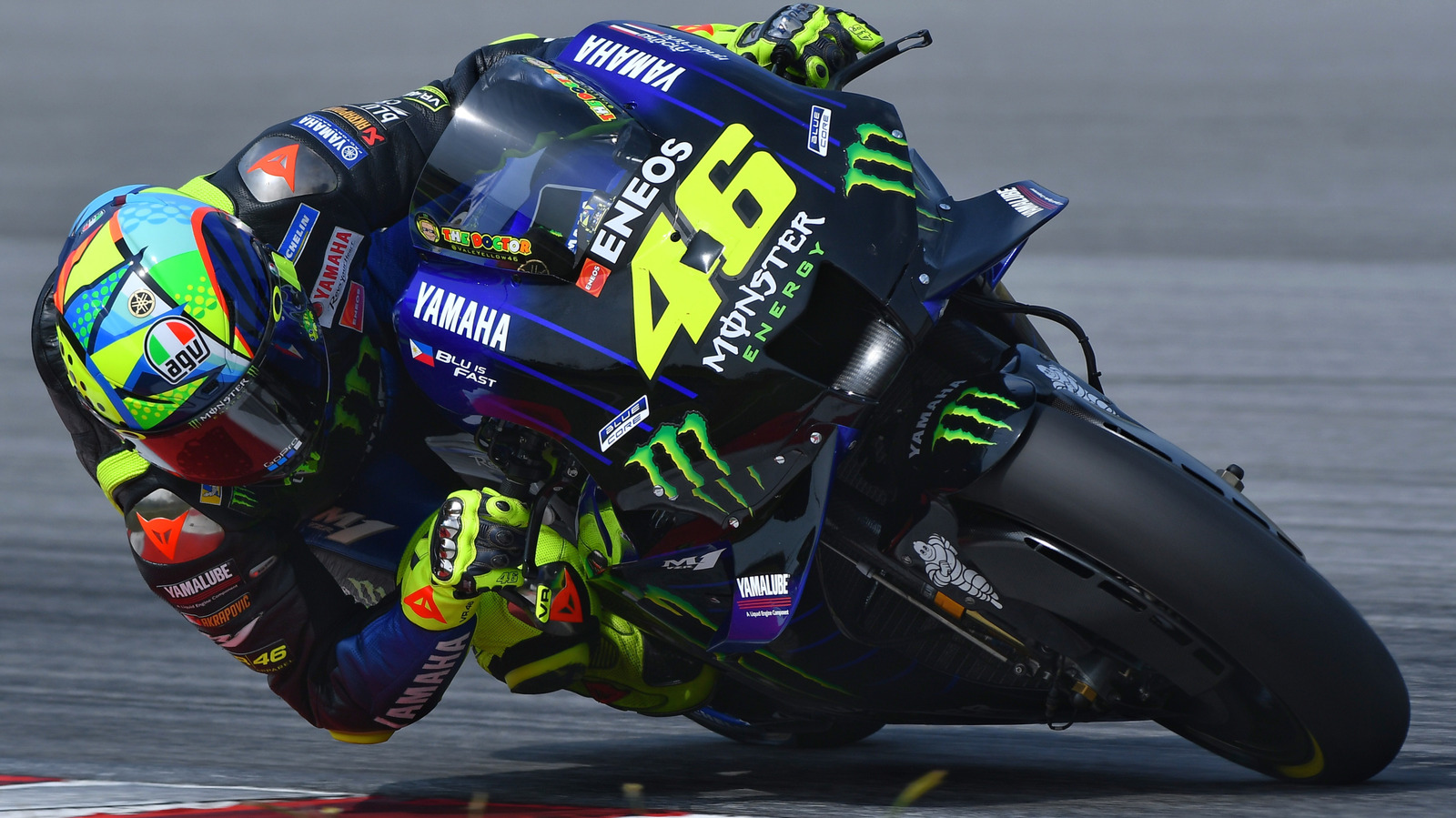
For riders, that sound usually goes hand in hand with serious performance. Inline-fours are efficient, compact for the amount of power they make, and happy to rev hard, which is why they show up so often in high-performance sport bikes. When the throttle stays open, the engine keeps feeding the rear wheel with a steady stream of power, and that makes for hard acceleration and impressive top-end speed.
That same trait is also what makes them a little wild. Because the power delivery is so constant, the tire gets hit with thrust almost nonstop, and a rider has to stay sharp to keep everything under control. On a fast bike, that is part of the thrill, but it also means the engine does not give you many excuses if your inputs are sloppy.
There is another wrinkle at high revs that engineers have had to wrestle with. At extreme speeds, the sound and vibration can blur the feedback a rider feels through the chassis and tire, which makes it harder to judge how much grip is really left. In racing, that matters a lot, because the difference between hooked-up and sliding out can be tiny.
That problem pushed racing engineers to rethink the firing order. By changing when the cylinders fire, they could make the engine feel less evenly spaced and less overwhelming in its high-rpm noise, which helped restore better feedback to the rider. The tradeoff was a rougher, more aggressive character, and that shift gave rise to the famous big bang style.
So if the inline-four is this good, why does it not rule everything? The answer is balance, not just in the engine, but in the whole bike package. Four cylinders help cancel a lot of the harsh shake you get from simpler engines, yet they still deal with secondary imbalance, which comes from the way the pistons move through their strokes.
That secondary vibration is not easy to erase. A counterbalancer can help by spinning in opposition to the buzz, but it adds another moving part, and extra parts mean extra cost, more complexity, and more maintenance down the road. So the inline-four remains a bit of a brilliant compromise, fast, smooth, dramatic, and not exactly cheap to live with.
That mix is also why riders keep loving them. The engine gives off a sound that feels alive, almost eager, and the performance matches the attitude. Some bikes chase comfort, some chase simplicity, but the screamer is built to turn heads the moment it comes off idle and into the part of the rev range where it really starts to sing.
