
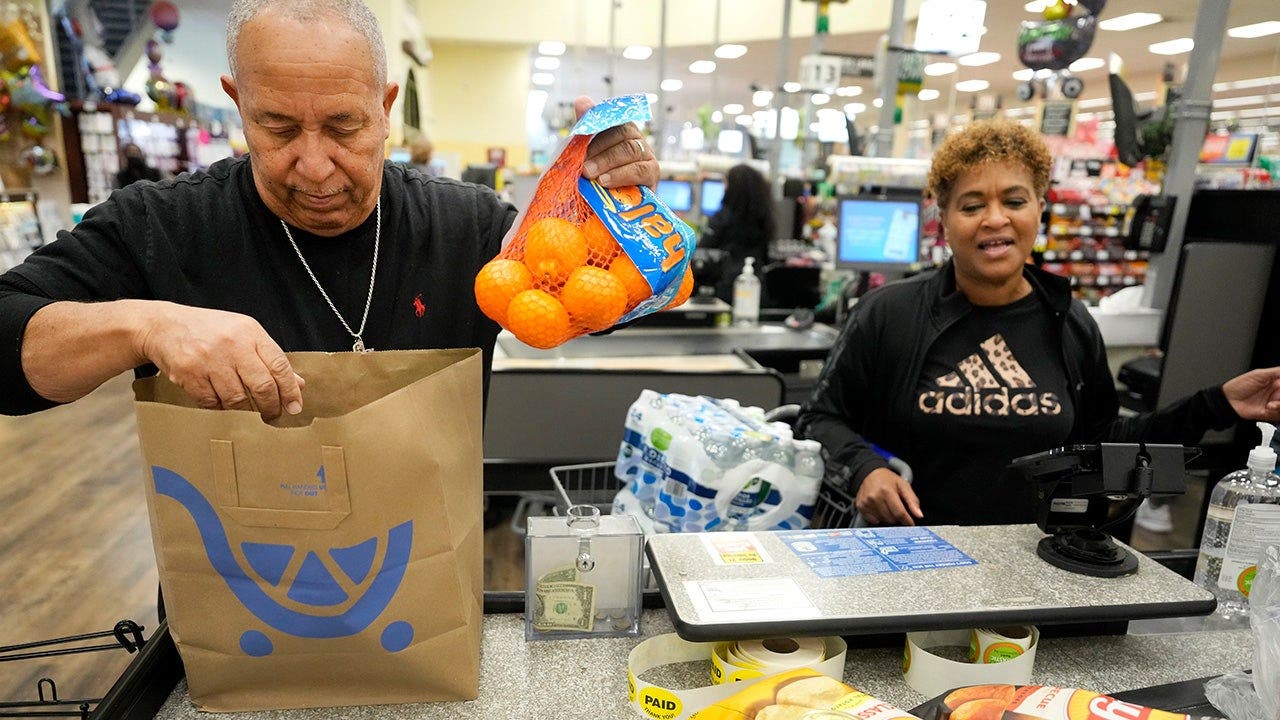
I grew up around a neighborhood grocery store, so I know firsthand that Main Street grocers are more than a checkout lane and some aisles of food. They are neighborhood fixtures, local employers, and a daily reminder that small businesses keep communities tied together. That is why the fight over grocery competition matters so much, especially when families are watching every dollar and independent stores are trying to stay in the game.
My family ran a grocery in New Orleans for generations, and it was the kind of place where people came in for milk and left after swapping stories at the counter. The store survived plenty of hard times, but it never made it through Hurricane Katrina, and that loss hit deeper than just business. When a local grocery disappears, a town loses convenience, character, and often one of the last dependable anchors on the block.
That experience is why I pay close attention when independent grocers talk about what it takes to keep doors open. In big cities, suburbs, and rural towns, these stores often serve places where the nearest alternative is miles away. If they shut down, families are not just losing a shopping option, they are losing access, speed, and the kind of service that comes from people who actually know the neighborhood.
The larger point is simple: Americans deserve choice, and choice depends on competition. A healthy market pushes stores to improve prices, freshness, service, and efficiency without turning every aisle into a war between giants. When competition is real, consumers win and smaller businesses have a shot at surviving on merit instead of muscle.
That is why price cuts from major chains get so much attention. When big retailers move to lower costs, families feel it right away, and nobody should scoff at that kind of relief. Independent grocers want food to be affordable too, because we serve the same customers and live with the same grocery bills.
But lower prices today do not fix a market that tilts heavily toward the biggest players. If a few dominant companies can dictate terms, squeeze suppliers, and use their scale to get deals nobody else can touch, the whole system starts bending in one direction. That does not just hurt competitors, it can eventually hurt workers, shoppers, and the communities that depend on a broad mix of businesses.
Independent grocers compete by doing the things people actually notice. They stock fresh produce, quality meats, deli items, and local products, while also offering the sort of service that makes a store feel personal instead of cold and corporate. They sponsor school events, support charities, and keep dollars circulating close to home, which is exactly why they matter so much in towns that cannot afford to lose them.
There is nothing radical about asking for a fair field. Small grocers are not looking for special treatment or a bailout, just the same chance to compete that every American business ought to have. If the rules are applied evenly, stores that work hard, invest wisely, and treat customers well can still succeed, and that should not be treated like a luxury.
The stakes go beyond groceries, because Main Street itself depends on this kind of balance. When local stores thrive, they create jobs, keep neighborhoods active, and make it easier for families to stay rooted where they live. That is how communities hold onto their identity instead of turning into empty stretches of parking lots and boarded-up windows.
The grocery store my family once knew in New Orleans may be gone, but the people behind counters like that are still out there serving their towns every day. They are the ones hauling in cases, greeting regulars, and trying to make sure fresh food stays within reach. Their work deserves a marketplace that rewards effort, respects competition, and leaves room for Main Street to keep fighting.
