
- Cover why air tools still matter for DIYers and pros
- Move through the lower-ranked budget brands and their strengths
- Highlight mid-tier brands that balance price, range, and performance
- Show where specialty brands stand out for professional work
- End with the top names and what pushes them ahead
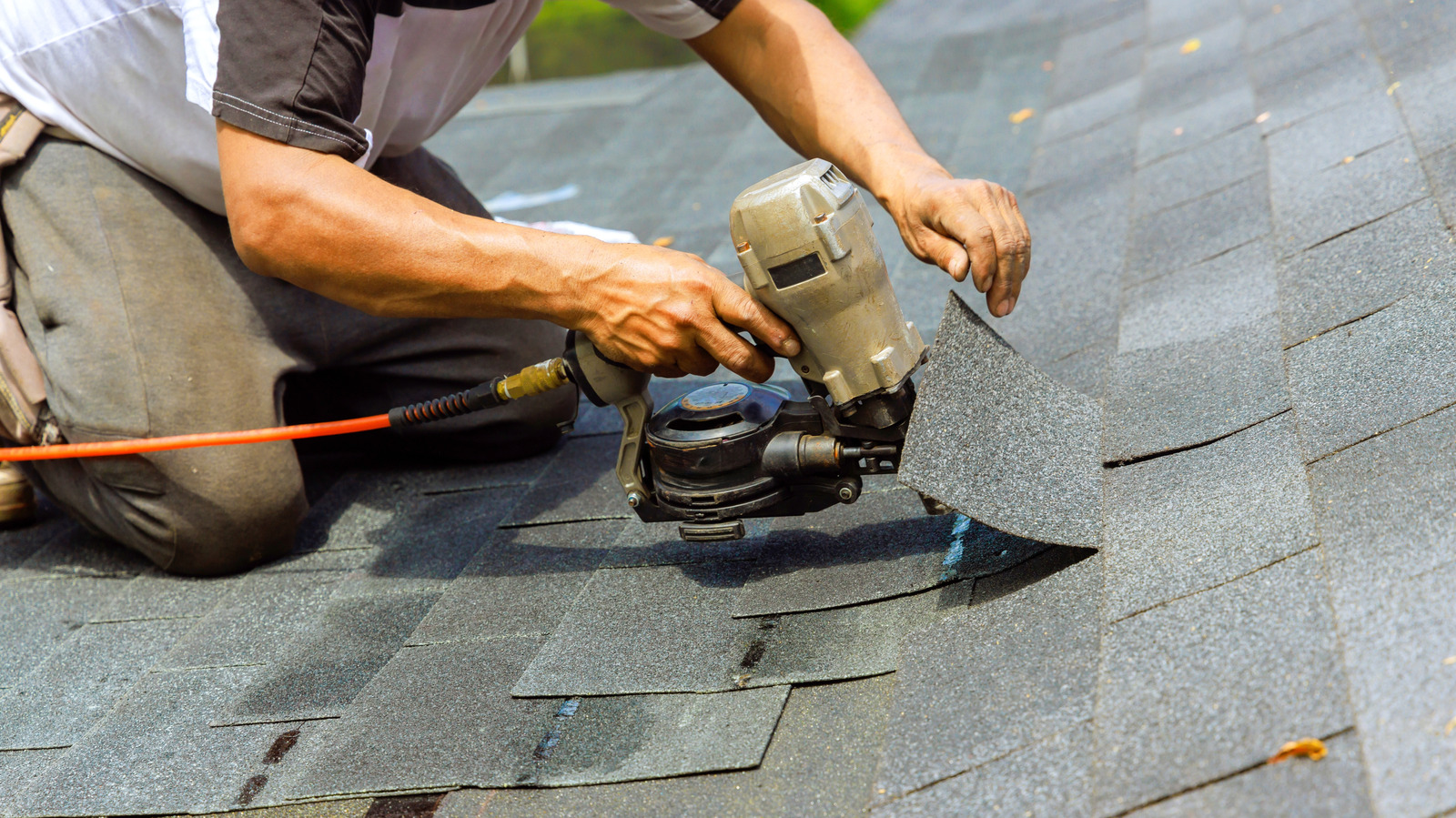
Pneumatic tools do not always get the spotlight, but they should. Once an air compressor enters the picture, a whole world opens up, from nailers and grinders to impact wrenches and specialty shop gear. The appeal is simple: less complexity, solid durability, and plenty of muscle for the money.
That is why air tools keep finding a home with mechanics, builders, and serious hobbyists alike. Some brands lean into affordability, others go hard on specialization, and a few manage to do both without losing their edge. The real separation comes down to value, tool selection, and how well a brand earns trust over time.
Husky sits on the lower end of the pack, mostly because it spreads itself across a broad range without really dominating the category. Buyers generally like the tools, but the lineup is limited and the performance does not always feel strong enough for the price. It is a decent place to start, just not the kind of brand that makes people rush to upgrade everything in the shop.
Central Pneumatic is another budget-heavy option, and it knows exactly what it is. The tools are cheap, the catalog is wider than you might expect, and the brand clearly aims at beginners or buyers watching every dollar. That makes it useful, but also a little narrow in ambition.
Chief steps things up a notch by focusing more directly on actual air tools and less on filler. It still keeps the price low, but the lineup feels more intentional, with drills, grinders, cut-off tools, and riveters making up the core of the brand. For someone easing into pneumatics, it lands as a smarter bargain than a flashy one.
Makita brings a familiar name and a sharp sense of engineering to the table. Its pneumatic line is not massive, but the nailers and staplers it does make earn strong marks, especially for buyers who already trust the brand elsewhere. The catch is price, since Makita tends to ask more than other crossover brands.
Metabo HPT follows a similar path, but it wins points for being especially well liked by users who have actually put the tools to work. The brand focuses mainly on nailers and compressors, yet the pieces it offers cover a serious spread, from heavy-duty framing to fine pin work. Add the five-year warranty, and the value starts looking pretty solid.
Astro Pneumatic earns respect by staying practical. It leans toward automotive repair and garage use, which makes it a natural fit for tire work, engine tasks, and routine wrenching. It is not built to dominate the toughest industrial grind, but for home mechanics it hits a sweet spot between cost and usefulness.
Aircat makes a much louder statement without making much noise, at least in the literal sense. Its claim to fame is quieter operation paired with strong torque and speed, which is a big deal for long days in a shop. That combination gives it a real professional feel, while still keeping it within reach for serious enthusiasts.
Dotco and Dynabrade are where things start feeling more specialized and a little more expensive. Both brands are deeply tied to sanding and grinding work, and both have loyal users who swear by them for demanding jobs. Dynabrade gets a boost from broader coverage and lifetime warranty support, while Dotco remains a sharp pick for anyone who wants a grinder that means business.
Bostitch is one of the big fastening names that still holds a lot of weight. Its nailers have a long track record, and the company has been shaping fastening tools for generations, which gives it a strong legacy edge. The prices are fair, the lineup is broad, and the reputation for dependable nailers stays strong.
Sioux pushes hard into professional territory with a catalog that includes serious specialty tools. It is not cheap, and it is definitely not aiming at the casual weekend buyer, but it has the kind of reputation that matters in tough work environments. Durability and easy serviceability help it stand out where downtime is a real problem.
Snap-On brings premium branding, premium pricing, and a premium amount of confidence. It can absolutely serve as a one-stop source for pneumatic gear, and the catalog is broad enough to cover a lot of ground. The downside is obvious, though: you are paying a lot for the badge, even if the tools themselves are impressive.
Ingersoll Rand remains one of the most recognizable names in the whole air tool world. It has the kind of catalog depth that makes it easy to recommend, whether someone wants an impact wrench, drill, or a more specialized shop tool. It does not usually feel cheap, but it does feel proven.
Chicago Pneumatic lands at the top because it balances range, reputation, and real-world performance better than most. Users keep putting it near the front of the pack, and that kind of consistency is hard to fake. With a broad catalog and strong brand trust, it comes off like the company most likely to be handed down, not replaced.
At the end of the day, the best air tool brand is not just about horsepower or price tags. It is about whether the tool feels right in your hand, holds up under pressure, and keeps making sense long after the first project is done. That is the real test, and the best brands know it.
