
Taking on a roof repair yourself can save real money, but it is not the kind of project you want to wing. The smart move is to start with the right gear, keep the job limited to small fixes, and know when the damage is too much for a casual DIY attempt. Four tools stand out for homeowners who want to patch shingles, replace nails, seal problem spots, and work safely without turning a small repair into a bigger headache.
The first must-have is an extension ladder, and this one is about more than convenience. A roof job starts with getting up there safely, and a sturdy extension ladder gives you the reach and stability a step ladder just cannot match. It leans securely against the house, making it the better option for roof access, and it can also pull double duty for other household jobs like reaching high windows or trimming branches.
Picking the right ladder matters just as much as owning one. You want a model tall enough for your roof, and fiberglass is the safer bet if you want something non-conductive around electrical hazards. Yes, a solid fiberglass ladder can be pricey, but safety and stability are not the place to bargain hunt.
Next up is a pry bar, which is the kind of tool that earns its keep fast. Before you can fix damaged shingles, you have to get the old stuff off, and a pry bar makes that far less frustrating than trying to muscle everything by hand. It is also handy for pulling roofing nails and can come in useful for plenty of other home projects once the roof work is done.
There is a nice range here too, from basic, budget-friendly bars to more specialized shingle removers. A standard pry bar is usually enough for small repairs, but if you expect to be lifting shingles often, a dedicated shingle stripping tool can make the work smoother. That extra bit of design can save time and a lot of awkward scraping.
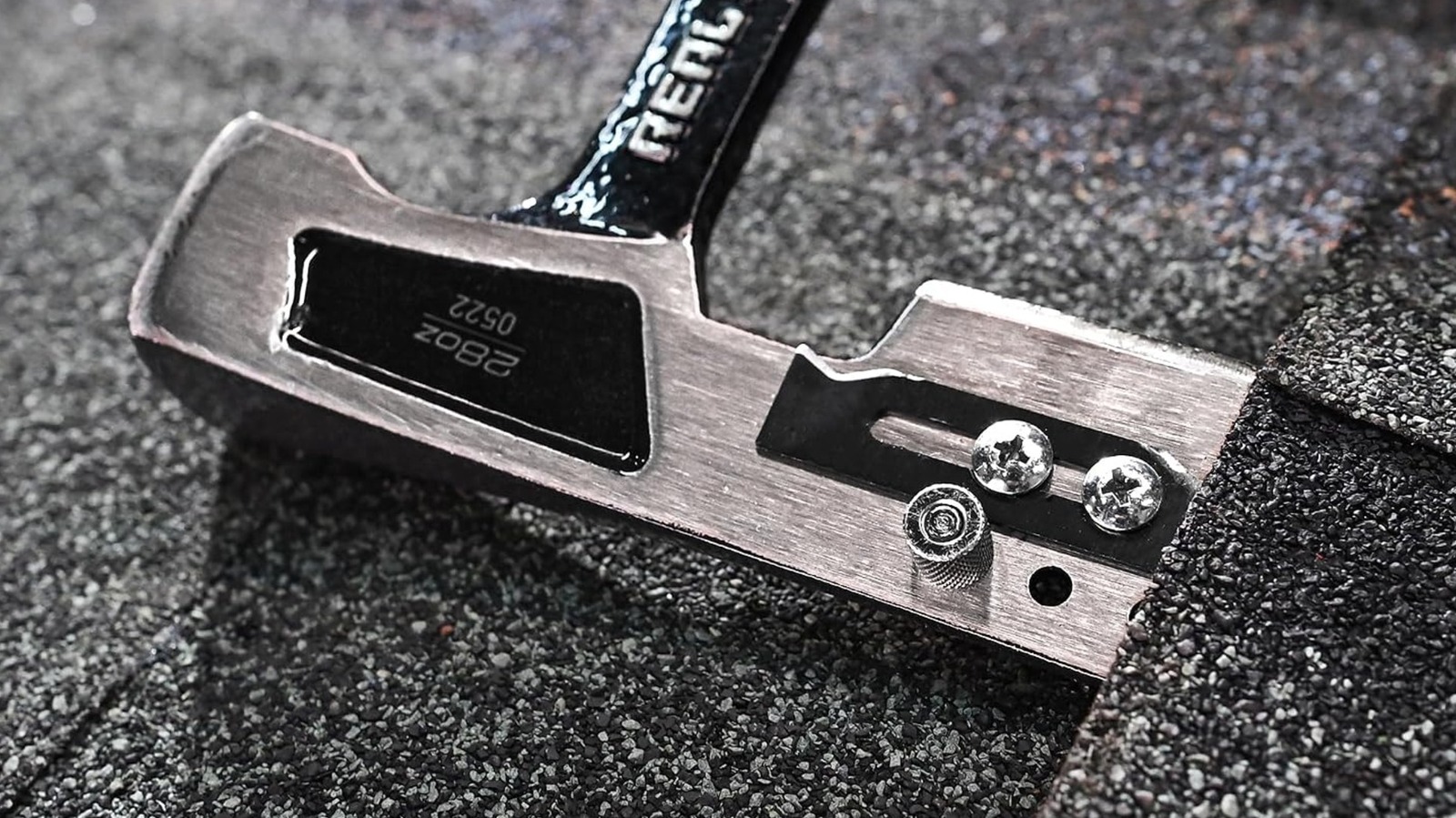
A roofing hammer is another smart buy, especially if your repair is on the smaller side. It lets you drive nails, pull them back out, and even trim shingles or underlayment when needed, which means fewer tools cluttering up your work area. For a homeowner doing occasional repairs, that versatility is hard to beat.
You could go with a roofing nailer instead, but that is usually more than most DIYers need. Nailers are faster, sure, but they are bulkier, more expensive, and often require extra gear like compressors or battery systems. A roofing hammer keeps things simpler, cheaper, and easier to manage when you are balancing on a ladder and trying to stay focused.
A caulk gun rounds out the list, and it is the quiet little tool that helps finish the job right. Roof repairs are not always just about shingles, since cracks, seams, and small gaps often need sealant to keep water out. A caulk gun lets you apply that sealant cleanly, which can make the difference between a patch that holds and one that leaks after the next storm.
For occasional roof work, a manual caulk gun is often all you need. Electric versions are nice if you already use them for other projects or plan to seal a lot of surfaces, but they are not necessary for every homeowner. The manual route keeps costs down and still handles the job well, whether you are sealing around flashing or fixing another stubborn gap.
What ties all of these tools together is simple: they are practical, reasonably affordable, and useful beyond the roof. That matters because homeowners usually want gear that feels worth buying, not one-time equipment that gathers dust. When a tool can help with roofing and still earn a place in the garage for other repairs, it becomes a lot easier to justify the purchase.
Roof work has a way of exposing the gap between a quick fix and a project that should be left alone. Small repairs are fair game if you are careful and prepared, but once you start talking about structural damage or major replacement, that is a different level entirely. For the manageable stuff, though, these tools give you a solid starting point and a better shot at getting the job done right the first time.
