
Every major appliance in your home has an expiration date, even the ones that seem built like tanks. Knowing the rough timeline for replacement can save you from panic spending, surprise floods, and the kind of breakdowns that always seem to happen at the worst possible moment.
The big idea here is simple: the more often an appliance runs, the more heat, water, or moving parts it handles, the sooner it wears out. Some units can be repaired and kept alive for years, while others are so picky or so cheap to fix that replacement ends up making more sense. Either way, a little attention now can buy you a lot more time later.
The refrigerator is one of the hardest-working machines in the house, and it usually lasts around 12 to 15 years. Since it runs nonstop, small issues can snowball fast, so regular coil cleaning, fresh filters, and clean door seals matter more than people think.
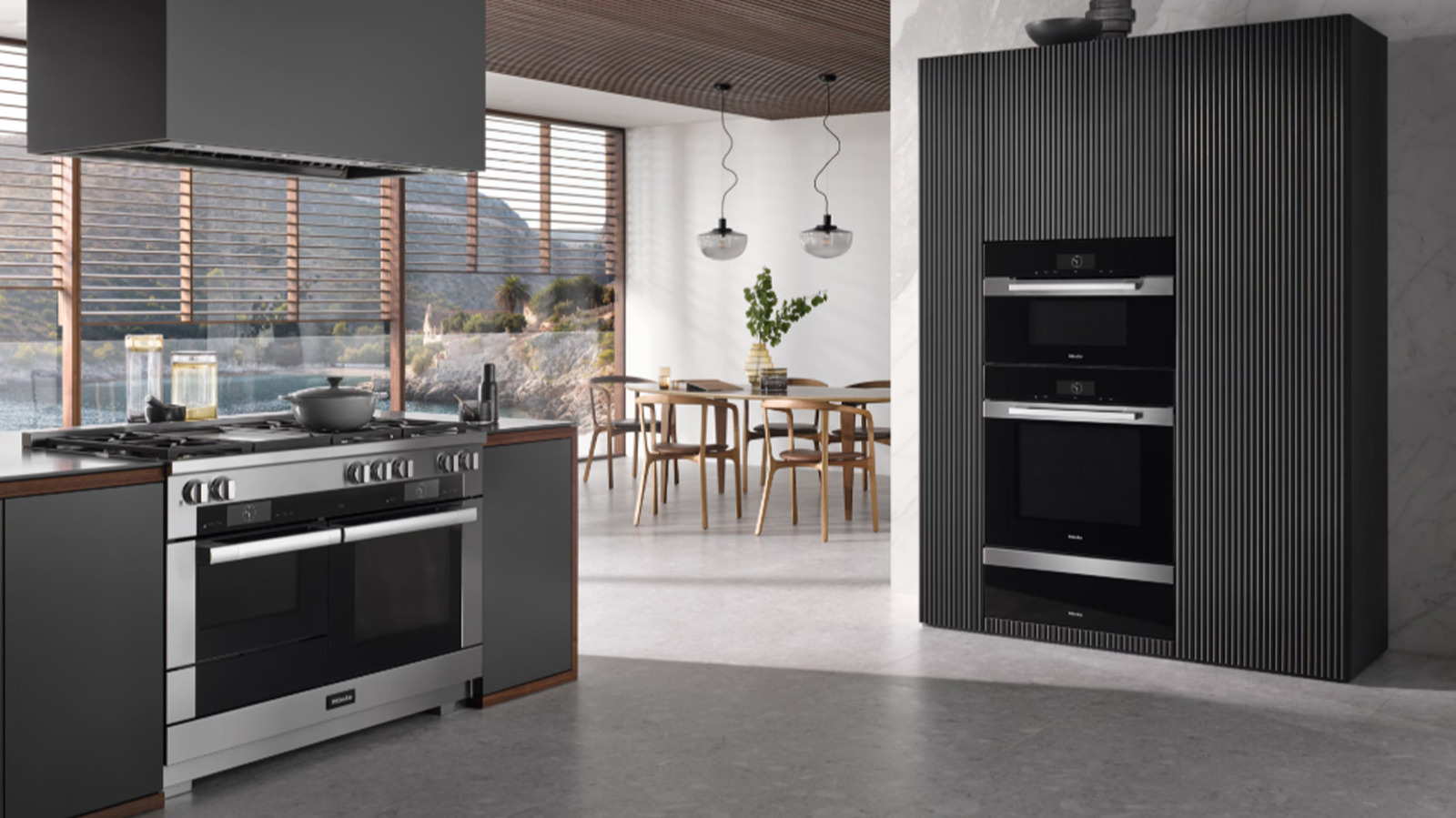
Ranges and ovens usually hold up for about 12 to 17 years, depending on whether you use electric or gas. They tend to live longer when they stay clean, because grime and baked-on buildup can mess with sensors and performance. If your oven starts acting off, a repair often gives you a cheaper path than buying a whole new unit.
Dishwashers usually land around the 9 to 12 year mark, with 10 years being a solid working estimate. They deal with water and heat every single cycle, so misuse can shorten their life fast, especially if food debris clogs the filter or the machine gets overloaded.
Microwaves are a different story and usually don’t stretch much beyond 9 years. They are compact, used often, and harder to repair than people expect, which makes replacement more common once they start failing. If one begins acting erratically, the fix is often not worth the hassle.
Washing machines tend to last about 10 years, though some go longer with good care. Front-loaders often wear out faster than top-loaders because they have more complicated parts, and water hoses, detergent buildup, and filter neglect can all cut into their lifespan. On the upside, many washer repairs succeed, so replacement is not always the first move.
Dryers usually make it to around 13 years, which is pretty strong for a machine that gets hot every time it runs. Lint is the real enemy here, not just in the filter but in the vent and internal components too. Keep it clean and you lower both breakdown risk and fire risk, which is a pretty good deal.
Air conditioners often last 15 years or more, especially if they get regular care. The outdoor unit takes a beating, so cleaning the fins and keeping airflow clear can make a real difference. A well-maintained AC can last a long time, but efficiency improvements can still make replacement tempting when bills start climbing.
Furnaces also tend to last around 15 years, sometimes closer to 20 with good maintenance. Because they deal with heat and safety concerns, a professional inspection is smart, not optional. Changing the filter regularly helps it breathe easier and reduces strain on the system.
Garbage disposals often last about 12 years, which is decent for something sitting under a sink and grinding food scraps all week. They usually last longer when you feed them properly, flush them with water, and avoid abusing them with the wrong kinds of waste. If one dies, replacement is often simpler than trying to squeeze value out of a repair.
Water heaters average about 10 to 11 years, though water quality and usage can change that quite a bit. They need maintenance that many owners skip, especially draining sediment once a year, and that neglect can shorten their life fast. Since failure can mean leaks and bigger problems, it pays to keep an eye on the warning signs before the tank gives up.
