
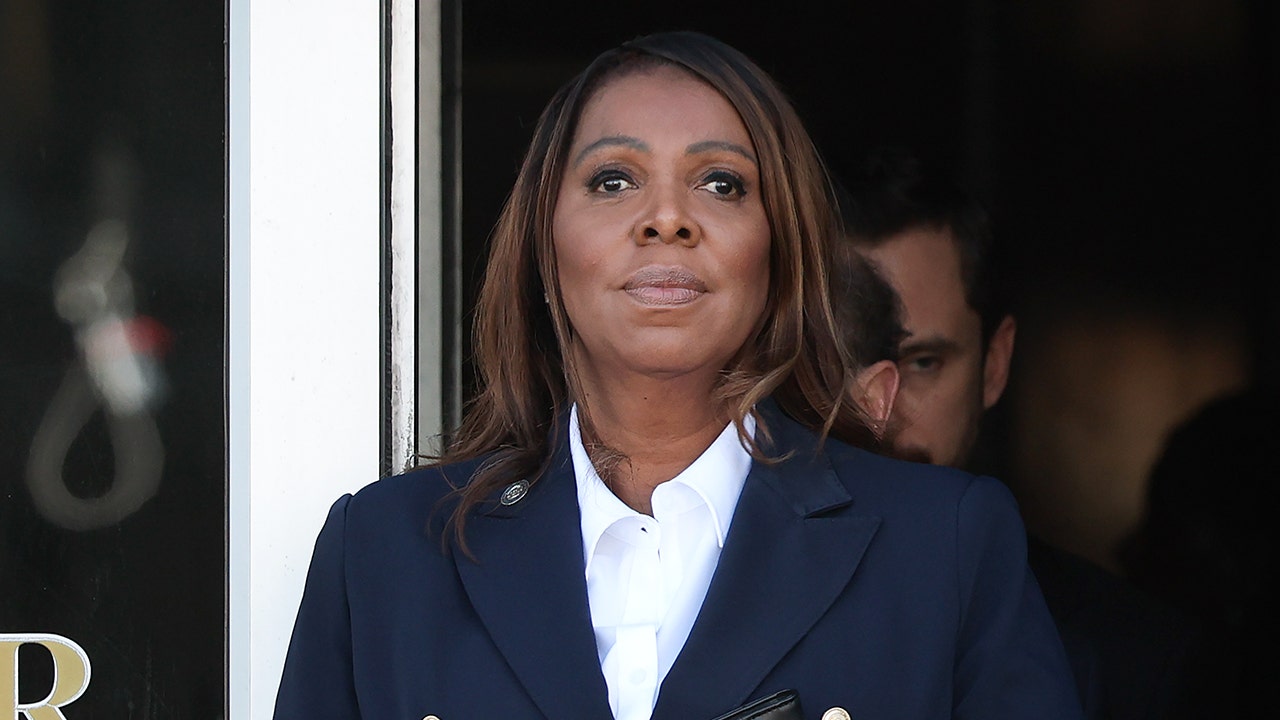
- Letitia James’ role in the Cornell rape probe
- Questions over impartiality and alleged bias
- Trump’s criticism of James
- Defense attorneys pushing to remove her
- The underlying campus assault allegations and prior investigations
- Gov. Hochul’s support for the appointment
New York Attorney General Letitia James is under a harsh spotlight after taking over the Cornell University rape probe, and the pressure is only getting louder. She says the case will be handled fairly, but critics from both the defense side and the political world are hammering away at her impartiality. The fight now sits right at the messy crossroads of law, campus outrage, and raw political suspicion.
James said she intends to pursue the matter based on evidence, not noise, after the case drew statewide attention. The investigation centers on allegations that seven defendants sexually assaulted a woman at a fraternity party tied to Cornell, a claim that has already sparked intense scrutiny of how the university handled the situation. The story gained even more force because the underlying accusations had already moved through earlier channels before James stepped in.
President Donald Trump quickly seized on the controversy and unloaded on James, calling her out as unfit to be neutral in the case. His comments came after questions about Gov. Kathy Hochul’s decision to name James as special prosecutor, a move that instantly gave the probe a political edge. For Trump and his allies, the concern is simple: a prosecutor who has already spoken emotionally about the alleged victim may have a tough time convincing anyone she is starting with a blank slate.
Defense lawyers are making the same basic argument, only in legal language instead of political fire. Attorneys for two defendants, including Gillio Lopes and Winston Lee, have pushed for James to be removed, pointing to a social media post she made days before her appointment. Their complaint is that the message showed too much sympathy for the alleged victim and too little distance for a prosecutor expected to stay cool and detached.
That post is now the center of the bias dispute. James wrote on X that what the young woman had gone through was “horrific and unacceptable,” and added that she was holding the victim in her heart and prayers. She also told survivors, “you’re not alone. We stand with you.”
James has tried to blunt the backlash by insisting her comments were about empathy, not judgment. During a campaign debate for attorney general, she said her office leaves politics at the door and that her statements were not meant to signal a conclusion about guilt or innocence. That explanation has not satisfied the critics, but it has kept her message consistent: the investigation should rise or fall on facts.
Hochul has stood behind her pick without flinching. The governor said she has “every confidence” James will examine the record carefully and reach the right conclusions, a public show of support that keeps the appointment intact despite the noise around it. In Albany, that kind of backing matters, especially when the attack line is less about procedure and more about trust.
The Cornell case itself is built on serious allegations from a student identified in court filings as Jane Doe. According to the account described in the case materials, the alleged assault happened at a Chi Phi fraternity house party in 2024, and Cornell University Police gathered her sworn statement before passing it to the local district attorney’s office. Prosecutors later declined to bring charges at the time, saying the evidence did not support a criminal case under New York law.
Cornell’s own Title IX process added another layer of fallout. The university’s internal review led to discipline against several of the seven defendants, including expulsion for two students and suspension for two others. That outcome did not end the fight, and it helps explain why the case has kept expanding beyond campus discipline into state-level criminal scrutiny.
For James, the challenge is not just handling a sensitive case, but doing it while everyone in the room assumes motives before the evidence is even sorted. The defense wants her out, Trump wants her criticized, and the governor wants the process to move forward with her still in charge. That leaves the probe caught in a pressure cooker, with every new statement carrying more weight than the last.
