
Checklist
- SHARPAL 103N and its multi-tool sharpening design
- Why sharp lawn mower blades matter for lawn health
- What buyers say in reviews, both good and bad
- The limits of one tool trying to handle many blade types
- Why a simple metal file can still be the smarter pick
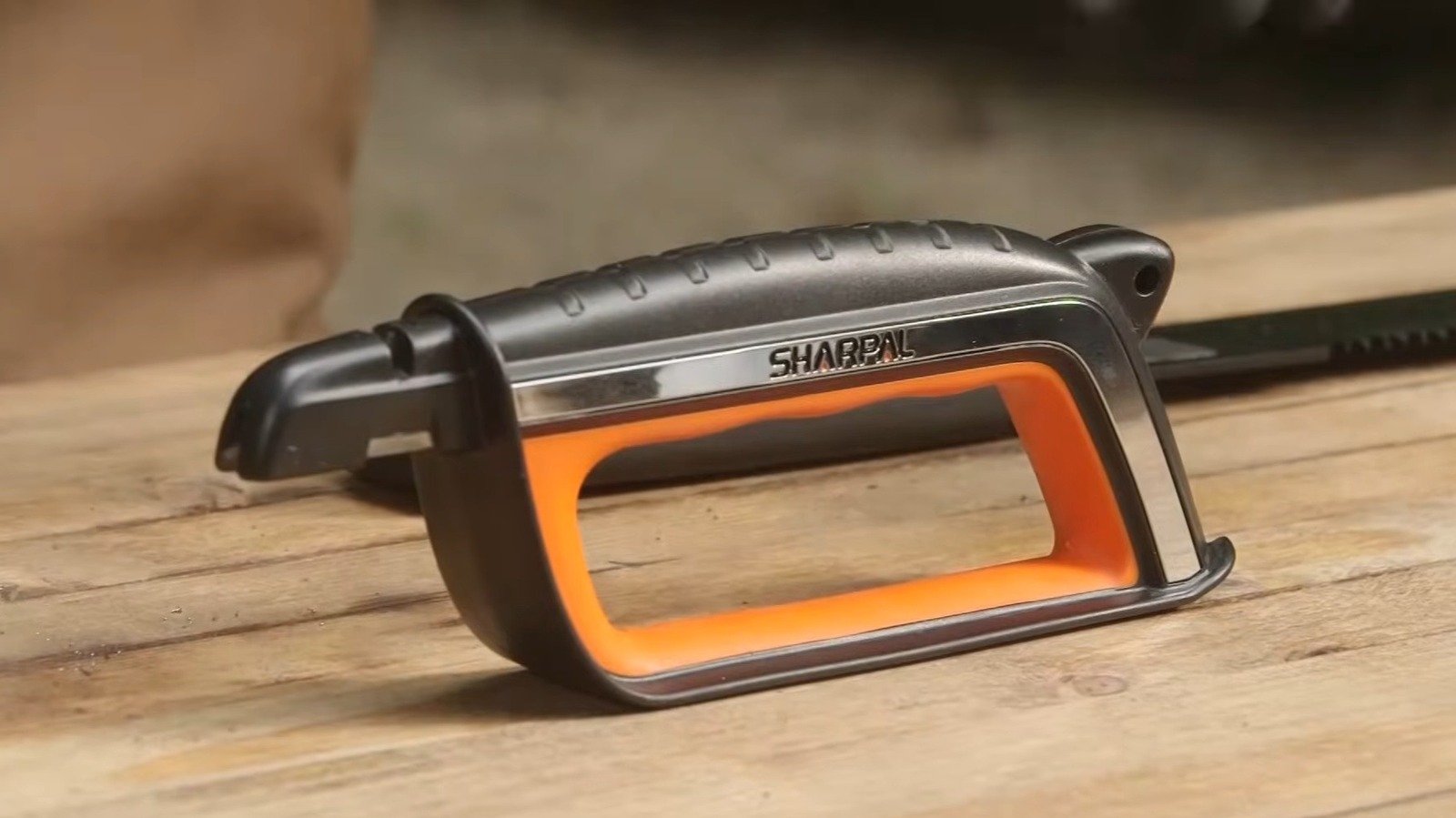
Plenty of products promise an easy fix, but the SHARPAL 103N All-in-1 Knife Garden Tool Lawn Mower Blade Sharpener stands out because it tries to do a lot for not much money. Priced at $21.99, it combines multiple sharpening surfaces into one compact tool and says it can handle knives, pruners, hatchets, and mower blades alike. That kind of all-purpose pitch sounds appealing, especially when lawn care starts turning into a weekend chore you would rather finish fast.
For mower maintenance, sharp blades are not just a nice-to-have. They help the mower cut cleanly, which gives grass a healthier finish and keeps the yard looking more even. Dull blades tear at the grass instead of slicing it, which can leave the lawn looking ragged and stressed, so regular sharpening matters more than many people think.
The SHARPAL 103N includes a section with a tungsten carbide abrasive set at a preset angle for mower blades. The design is meant to make the process feel less fiddly than traditional methods, and the instructions tell users to line up the beveled edge correctly rather than forcing the blade against the stop. That approach may sound simple, but mower blades are not exactly the easiest thing in the world to wrangle.
Review scores give the product a decent reputation overall, with a 4.4 out of 5 star average. Some buyers say it works well enough on garden tools and does a respectable job on mower blades too, especially for anyone who wants to skip a trip to the hardware store. One reviewer said they were used to paying a shop to sharpen a blade and wait days or weeks, but found the SHARPAL to be “pretty good” once they tried it themselves.
Still, the praise is far from universal. A few customers say the tool performs fine for smaller jobs, then falls apart when asked to handle lawn mower blades, which is a pretty important detail if that is the main reason for buying it. One review described the carbide tip breaking off after limited use and was blunt about not recommending it for mower blades at all.
That split reaction gets to the bigger issue with multi-use sharpeners. Different blades are built for different jobs, and they do not all want the same treatment when they get dull. Knives often need finer abrasives and more precise refinement, while mower blades usually need durability and a practical edge rather than a razor finish.
Because of that, a product like the SHARPAL has to compromise somewhere. It may be useful for a quick touch-up on several tools, but a single design is rarely the best answer across the board. What works nicely on pruners may not be the same thing that handles a thick mower blade without complaint.
That is why old-school tools still have a lot going for them. A plain metal file is cheap, straightforward, and still one of the most dependable ways to sharpen a mower blade, especially if the edge is nicked or slightly bent. If the blade has taken a hit from rocks or other yard debris, a simple swipe-and-finish tool can end up being more practical than a gadget with a flashier promise.
A basic file also avoids the frustration that comes with relying on one product to do everything. For a lot of homeowners, that matters more than packaging or a clever design, because lawn care is usually about getting the job done without extra drama. When the grass starts growing fast and the weekends get short, the best tool is often the one that stays predictable from the first pass to the last.
