
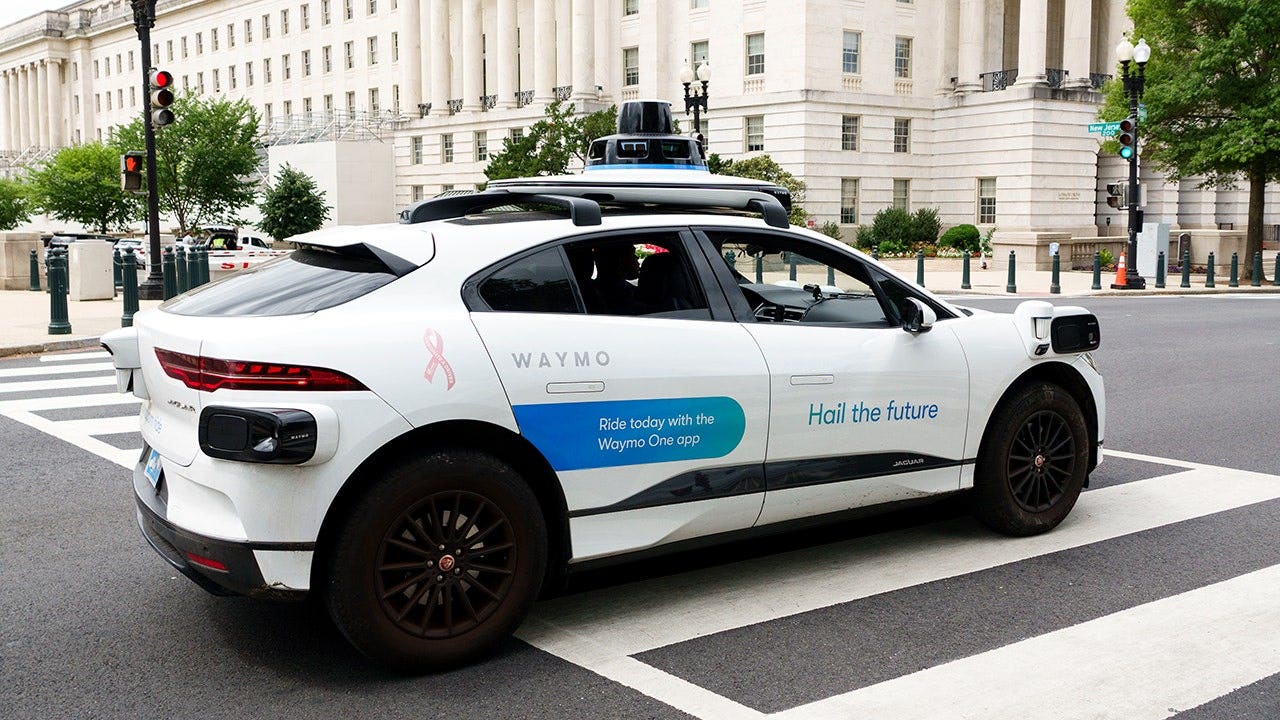
This quick briefing pulls together the week’s major AI developments and why they matter: an autonomous vehicle recall that highlights safety gaps, a new inference chip that shifts the infrastructure battle with China, a fierce debate about AI in classrooms that landed in the Senate, and consumer and industrial moves from major tech players that show both promise and risk.
Waymo has issued a voluntary recall covering thousands of its robotaxis because its software can, in some scenarios, drive into closed freeway construction zones. That headline sounds like a tech hiccup, but it underscores a simple truth: safety and edge-case thinking still lag behind marketing. When autonomous systems ignore obvious cones, regulators and the public have every right to push for faster fixes and clearer accountability.
OpenAI’s reveal of a custom inference chip known internally as “Jalapeño” is a game changer for who controls the plumbing of AI. This is not just about faster chatbots or cheaper compute; it’s about which countries and companies own the hardware that underpins future power. From a conservative perspective, the race for infrastructure is a national security issue and Washington needs to stop treating it like a niche industry debate.
That geopolitical angle matters because Beijing is watching every step. When U.S. firms and allies own the stack — from silicon to services — we keep leverage over both economic and military downstream uses. Letting this field tip toward rivals without a clear strategy would be reckless; investments, export policy, and defensive measures should be on the table now.
Education policy is catching up to technology in a frantic, necessary way as lawmakers weigh how schools should handle AI tools. “The question is not whether AI is going to impact education. The real question is whether we will shape its use thoughtfully. Responsibly,” said Delaware Secretary of Education Cindy Marten during a recent Senate hearing. That line landed for a reason: classrooms are where norms get set, for better or worse, and Congress should be part of deciding what responsible use looks like.
On the consumer front, Meta’s new smart glasses aim to push AI into everyday life at a mainstream price point, with branding that makes them conspicuous in pop culture. Affordable wearables that bake in AI will speed adoption, but they will also accelerate privacy debates and questions about data collection in public. Companies selling convenience need to earn trust through clear controls and plain answers — not glossy campaigns.
Microsoft’s CEO has warned that big tech must move in ways that win public trust, which sounds obvious until you remember how quickly hype can outpace safeguards. Public acceptance is fragile when technologies alter daily routines and personal data flows, so leaders have to be upfront about tradeoffs. If firms want broad support, they’ll have to prove usefulness without turning every user into an experiment.
Meanwhile, NVIDIA’s safety system for robotics, marketed as an industry-first full-stack approach, shows that hardware makers are thinking about physical AI risks as well as digital threats. Robots are leaving factories and entering spaces where human safety is immediate and nonnegotiable, so integrated safety systems are a necessary step. The tech is promising, but standards, testing, and real-world audits should follow fast.
All of this adds up to a moment where smart policy, clear standards, and serious investment intersect. Industry will push innovation, and consumers will chase convenience, but the public and lawmakers must insist on rules that protect safety, privacy, and national interest. If we want the benefits of AI without surrendering control, the next moves are ours to make — and they need to happen now.
