
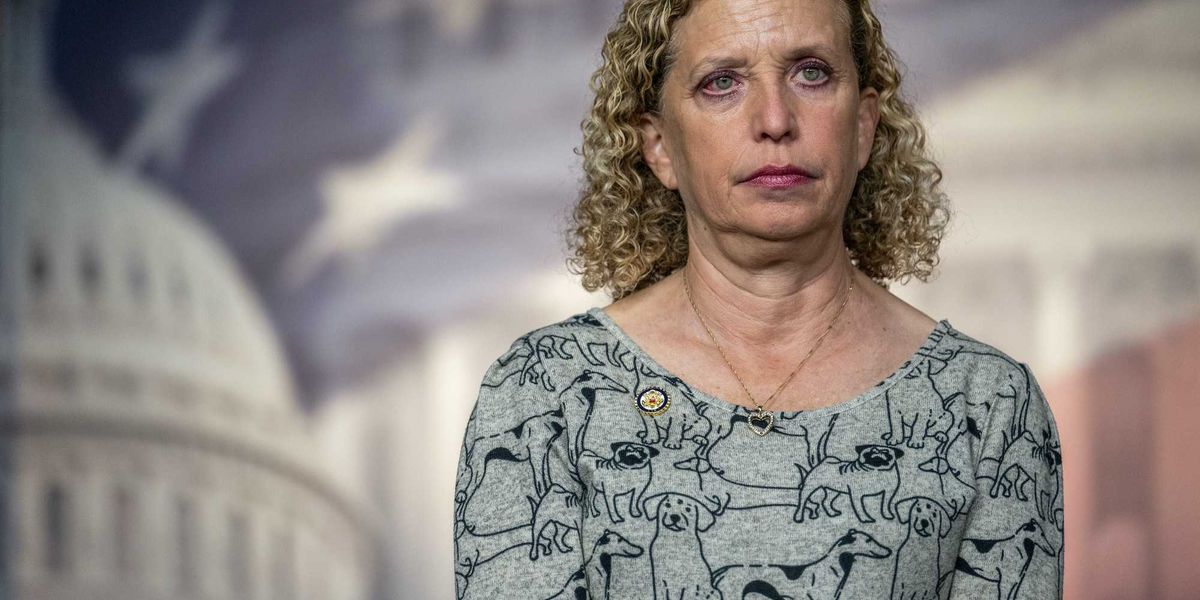
Debbie Wasserman Schultz has jumped into Florida’s 20th Congressional District race and the reaction was instant and fierce. Longtime critics in her own party accused her of scrambling into a majority-black district for political safety, and several Democratic figures say the move undercuts black representation. That backlash turned into public statements, sharp social media posts, and opposition from local activists and candidates who say this shows the party putting power ahead of principle.
Wasserman Schultz was redrawn out of her old district and picked FL-20, a seat with a large black population. From a Republican viewpoint this looks like classic insider politics: an entrenched incumbent chasing a safer path rather than staying and fighting where she was originally elected. People are calling it carpetbagging, and that label sticks when you see a veteran lawmaker change courses to protect a career.
Nearly all of the Democratic National Committee members from Florida responded publicly, saying the choice sent the wrong message. “Our party cannot credibly denounce the dismantling of black political power by Republicans while treating one of Florida’s few remaining majority-black districts as a political opportunity for an incumbent seeking a safer seat,” the statement reads. That’s not gentle criticism; it’s a direct accusation that the party is ignoring its own rhetoric about representation.
The uproar from within her own ranks amplified the chorus from challengers who argued this was an opportunistic grab. “Debbie Wasserman Schultz is carpetbagging to FL-20, a black opportunity district instead of running in her own,” Elijah Manley, another Democratic candidate running for Florida’s 20th district. “DWS is everything that’s wrong with the Democratic establishment. … I look forward to retiring her from public office permanently.” Those are strong words from someone in the same party, and they’ll stick with voters who care about local roots.
Other local figures made similar points, saying black representation is not a tool for political calculus. Luther Campbell, a former rapper turned activist and one of the Democratic hopefuls, made his voice heard as the community reacted. The argument from these challengers is straightforward: districts with significant black populations deserve candidates who emerged from and fought for those communities, not late entrants looking for safety.
Activists and leaders online piled on, calling out party figures who stayed quiet or shrugged at the move. “To the Florida DNC members who stayed silent — we see you too. We’re taking receipts,” Campbell wrote on social media. That kind of public accountability matters in a race framed as about representation, and it fuels grassroots energy against the idea of political maneuvering.
Critics point to Wasserman Schultz’s long tenure and her past role running the national party as part of the context for distrust. She led the Democratic National Committee during a turbulent period and left that post in 2016 amid controversy and finger-pointing after that election cycle. For Republicans and some disaffected Democrats, that history colors how they view this latest move: it’s another example of party elites putting their own interests first.
Supporters will say she’s simply seeking a district where she can continue serving and where her policy priorities align with voters. But that defense runs up against the charge that choosing a district because it’s more forgiving is different from answering a community’s call to represent them. Voters who prioritize lived experience and local roots are unlikely to accept political convenience as a convincing argument.
https://x.com/iElijahManley/status/2057823027321069867
The fallout raises a sharper question about party priorities when race and representation are central to the debate. “This decision reinforces the same message Republicans have pushed for years: that black representation does not matter,” Florida Democrats continued in their letter. “It does matter. Representation matters. Lived experience matters.” Whether voters buy the rhetoric or resent the maneuvering will shape this primary and the general election fight that follows.
