
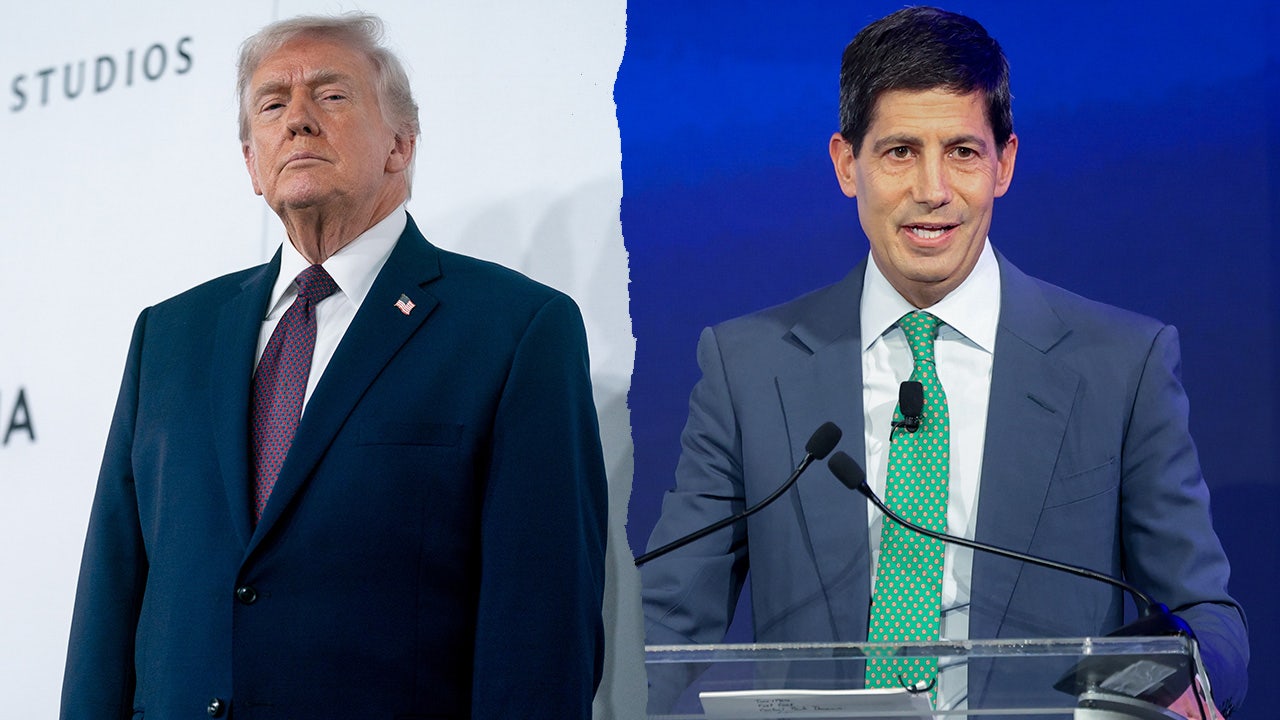
Kevin Warsh and Scott Bessent began as the kind of economic duo that looked built for the moment, with both men talking about stronger growth, lower inflation, and a fresh way of thinking about the Fed and Treasury. That harmony made sense at first, especially with Bessent helping oversee Warsh’s rise to the Fed chair. But once the rate fight started, the easy alliance began to look a lot more fragile.
The tension is simple, and it is brutal. Warsh is focused on taming inflation, while Bessent has the messier job of keeping the government’s borrowing costs under control. Those goals can line up for a while, but they can also slam into each other head-on when markets get jumpy and debt keeps piling up.
The usual script says higher short-term rates help cool inflation, investors grow calmer, and long-term Treasury yields eventually ease. That is the textbook version, the one that makes the whole system look neat and predictable. Yet the present market is not acting like a classroom example, and that is where the trouble starts.
Luke Gromen’s argument pushes on the uncomfortable part of the story. The government has a massive pile of debt to sell and roll over, while a growing share of buyers are hedge funds using borrowed money rather than patient, long-term capital. If rates rise and markets wobble, some of those players may dump bonds, and foreign holders could do the same if the dollar strengthens.
That is the part that turns a rate hike into more than a simple anti-inflation move. More sellers can mean lower bond prices and higher yields, which is exactly the opposite of what Treasury wants when it is trying to borrow without setting money on fire. If that happens, Bessent gets squeezed from the other side of the same policy Warsh is using to fight inflation.
The risk is not just theoretical. If the government has to pay more to attract buyers, interest costs climb fast, and if the higher rates slow the economy, tax receipts can soften too. Then the Treasury needs to borrow even more, which adds another layer of pressure to a system already running hot.
That is why the debate matters even if Gromen’s warning turns out to be too gloomy. Warsh may believe another hike is needed if inflation refuses to back down, and Bessent may be staring at Treasury yields and seeing a bill that keeps getting harder to pay. One man is trying to make money more expensive, while the other needs the government to finance itself as cheaply as possible.
Trump, meanwhile, is stuck in the middle of a problem he would rather not own. He wanted lower rates and a stronger economy heading into the midterms, but he got a rate increase instead. He picked Warsh, and he picked Bessent, and now those choices may be pulling in different directions.
The politics are not subtle. A president can blame an independent Fed for a decision he dislikes, but that does not make expensive mortgages feel any better to voters. It is one thing to say the bond market is behaving in a way nobody expected, and another to explain why a family’s monthly payment just jumped out of reach.
There are still softer paths forward. Inflation could cool, investors could reward Warsh’s tougher stance, and Treasury yields could settle down enough to give Bessent some breathing room. Markets do not move in straight lines, and this clash is not locked in yet.
Still, the deeper problem remains in plain view. If the market decides that fighting inflation comes with a bigger borrowing penalty, the real argument will not just be between Trump and the Fed. It will be between Warsh and Bessent, two men trying to solve the same economy from opposite ends of the same uneasy table.
