
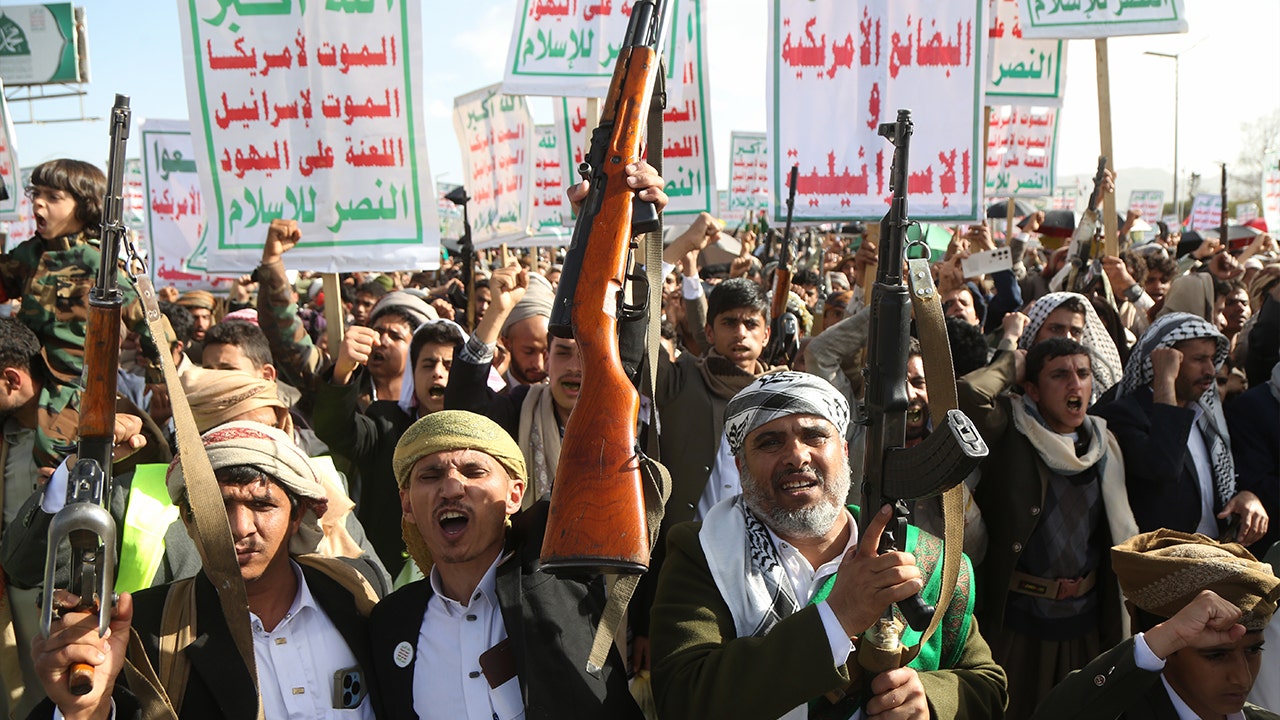
The Houthis are not some distant nuisance that can be ignored until the next crisis rolls in. They sit inside a much bigger fight tied to Iran, regional power, shipping lanes, and the balance of force around the Red Sea. American help does not have to mean owning the whole war, but looking away would be a costly mistake.
It is easy to see why Washington would want to keep some distance. The United States is already locked into a wider confrontation with Iran, and there is no political appetite for piling on another conflict with elections looming. The Houthis have also tried to lower the temperature by signaling that American shipping is not their main target, which gives policymakers a convenient excuse to hesitate.
That excuse does not hold up for long. Yemen is not a separate little war sitting off by itself, because the Houthis are aligned with Iran, backed by Tehran, and part of the same regional pressure campaign. They are attacking the Saudi-backed Yemeni government, and that fight connects directly to the broader contest playing out across the Middle East.
The battlefield picture is moving in a direction that should catch attention. Yemeni government forces, with Saudi air support, have pushed the Houthis out of some important ground near the Bab el-Mandeb, and that matters a lot. The gains are fragile, but they show momentum on the side of the government and prove the Houthis are not untouchable.
That shift changes what American involvement should look like. The United States is already helping with intelligence and targeting support, and that kind of backing has real value. Satellites, surveillance assets, and other sensors can help identify missile sites, drone hubs, command posts, and mobile launchers before they vanish.
Direct American air power would sharpen that edge even more. U.S. aircraft can plug into a faster sensor-to-shooter chain and turn raw intelligence into action with less delay. That kind of speed matters when a launcher can fire, move, and disappear before anyone has time to react.
The point is not to launch a giant new campaign or take over the fight. A limited role aimed at time-sensitive targets could make a real difference without dragging the United States into open-ended responsibility. Saudi Arabia has aircraft, money, and intelligence capabilities of its own, while Yemeni troops have shown they can do the ground fighting.
Geography gives the Houthis outsized leverage, which is exactly why they cannot be treated as a local annoyance. They have strengthened their grip along the Red Sea coast and around the Bab el-Mandeb, one of the world’s most important choke points. When shipping is disrupted there, vessels detour around Africa, costs rise, and the pain ripples far beyond Yemen.
There is another layer that makes this even more dangerous. Reports of Houthi ties to al-Shabaab in Somalia raise the possibility of a wider militant network stretching across the Gulf of Aden. Weapons transfers, drone training, and tactical coordination would turn a regional insurgency into something much uglier and harder to contain.
Energy markets add even more urgency. Saudi oil flows through the Strait of Hormuz, but the kingdom also relies on the East-West Pipeline to move crude to the Red Sea when Hormuz is risky. If the Houthis can menace the Red Sea too, that backup route loses much of its value, and pressure can hit two critical points at once.
That is not just a Saudi problem, and it is not even just a Middle East problem. China depends heavily on Gulf energy, Europe leans on Red Sea and Suez trade, and American consumers still feel global oil shocks even when domestic production is strong. Supply chains are connected whether politicians like it or not, and disruptions in one corner of the map do not stay there.
The failed Hodeidah episode still hangs over all of this. Western pressure stopped the 2018 offensive when Yemeni and Emirati-backed forces had the Houthis under real strain, and the Stockholm Agreement froze a battlefield that was already tilting against them. The Houthis kept their port, kept their lifeline, and used the breathing room to harden their position, deepen ties with Iran, and build a nastier missile and drone arsenal.
That was the kind of mistake that looks humane in the moment and reckless in hindsight. Halting a military advance without a real settlement does not produce peace, it gives the weaker side time to regroup. A ceasefire that leaves the aggressor’s tools intact can end up setting the stage for a bigger, meaner war later.
The current momentum should not be wasted. Yemeni and Saudi forces now have a chance to push the Houthis back from the Bab el-Mandeb, squeeze the systems that support their attacks, and make life harder for the missile crews and drone teams that keep the pressure on shipping. Limited American support could help turn that chance into lasting pressure without turning Washington into the lead actor.
