
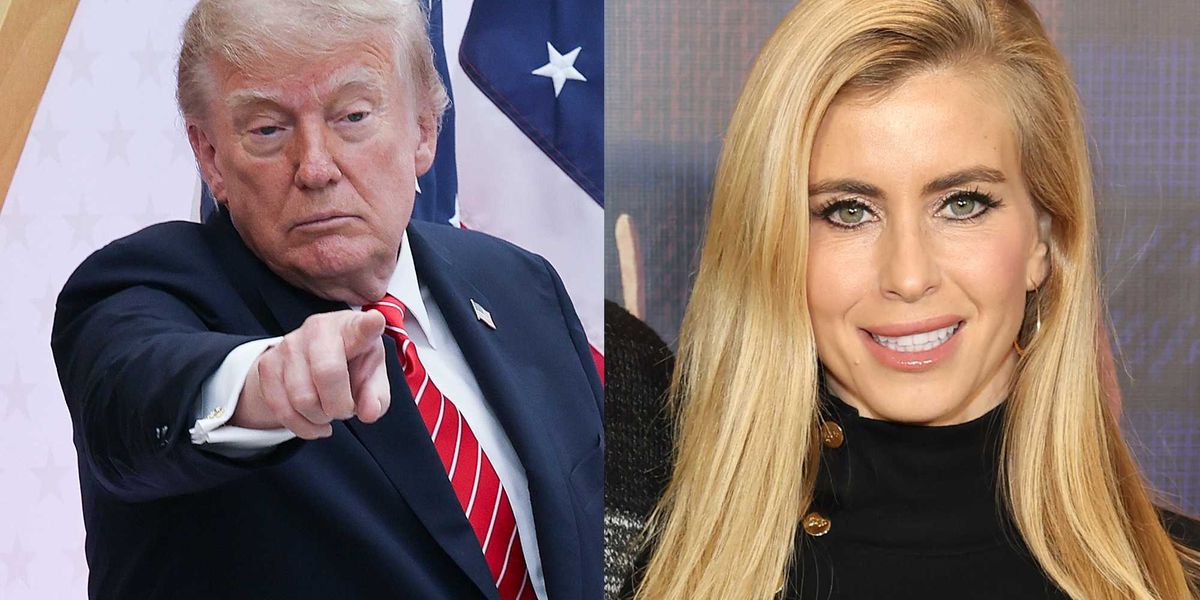
Karoline Leavitt’s exit from the White House briefing role has opened the door to a new face behind the podium, and Donald Trump has already made his pick. The move keeps the communications shop in motion at a time when every sentence, every question, and every camera flash matters. Katie Zacharia is stepping into the spotlight as the next White House press secretary, bringing a background that already has her tied closely to the administration’s message operation.
Leavitt’s departure marks a notable shift, especially because the press secretary job is one of the most visible posts in Washington. It is the job where tone matters as much as content, and where a staffer can go from behind the scenes to the center of the political storm in a single afternoon. Trump’s decision to elevate Zacharia signals that he wants a steady hand and a familiar voice carrying the administration’s message forward.
Zacharia has been part of the broader political orbit around the White House, and that kind of experience tends to matter when the daily grind turns intense. The press secretary role is not just about reading off talking points, because the job demands quick reactions, sharp instincts, and the ability to keep calm when reporters come in swinging. Trump’s team has often valued loyalty and message discipline, and this appointment fits that mold.
The change also reflects how fast things can move inside a Trump White House. Personnel shifts like this are rarely just about one person leaving and another stepping in, since they usually point to a larger effort to keep the communications operation tight and responsive. In a political environment where narratives change by the hour, the press room becomes a battleground for control of the story.
Leavitt’s time in the role helped define the administration’s tone with the press, and her departure naturally draws attention because that job sits right at the intersection of politics and public perception. The next press secretary inherits more than a title, since the position carries the pressure of defending decisions, shaping coverage, and standing firm under nonstop scrutiny. Zacharia now gets handed that exact challenge, and the expectations are not exactly small.
Trump has long preferred communicators who are direct, loyal, and comfortable under pressure, and the selection of Zacharia fits that style. In Washington, the press secretary is often the first person outside the Oval Office to explain where the administration stands, which means every answer can ripple far beyond the briefing room. That makes the role more than just a talking head job, since it is really a frontline political assignment.
The White House press operation is also one of the few places where personality and discipline have to work together every single day. A strong press secretary has to project confidence without sounding rehearsed, stay polished without sounding detached, and handle hostile questions without losing control of the room. Those are high bars, but that is exactly why the appointment matters.
For Trump, the choice of a new press secretary is part staffing move and part message to allies and opponents alike. It shows that the administration intends to keep its communications machine moving without missing a beat, even as roles change and fresh faces step forward. Zacharia now enters a job where the stakes are loud, the pressure is constant, and the spotlight never really turns off.
