
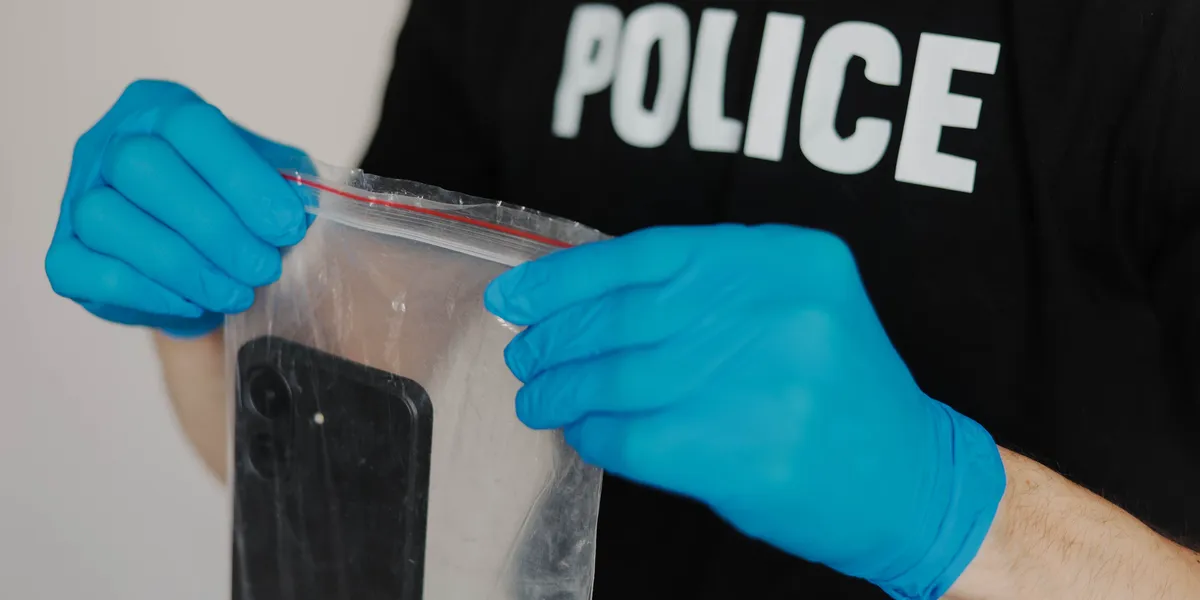
Law enforcement has found a new way to get around some of the strongest protections built into the iPhone, and that has put mobile privacy back in the spotlight. The issue is not about everyday use or casual data sharing, but about how far a locked-down device can really stay locked when pressure ramps up. With phones carrying everything from messages to location trails, the stakes are hard to ignore.
The iPhone has built its reputation on tough security, from device encryption to passcode safeguards that make casual access difficult. That kind of protection matters because a phone is no longer just a phone, it is a vault for personal photos, private conversations, health data, and financial details. For many users, that security is a big reason they stick with Apple in the first place.
Still, law enforcement has been pushing to find faster, more reliable ways to get into devices during investigations. When a phone is central to a case, investigators want access to whatever evidence it may hold, and the fight often turns into a race between stronger security and smarter tools. That tension has been building for years, and each new workaround reignites the same debate.
The latest method shows that even highly secure consumer tech can have weak points once it enters the hands of determined investigators. That does not mean the iPhone suddenly stopped being secure, but it does mean no system is completely sealed off. The bigger concern is how much data can be pulled out when the device itself has been physically seized.
Privacy advocates see that as a warning sign, because the average person rarely thinks about just how much of life is stored on a single device. A modern iPhone can hold far more than contacts and texts, and that makes any bypass method feel more intrusive than it would on an older phone. The more valuable the data becomes, the more intense the push to reach it.
Apple has spent years marketing security as a core part of the iPhone experience, and users have responded by trusting the device with sensitive parts of their daily routines. That trust is now being tested by the reality that law enforcement can still find paths around the walls, even if they are not easy ones. It is a reminder that security is always a moving target, never a finished product.
At the center of the issue is a familiar question: how much access should authorities have when a device may contain evidence, and how much privacy should the owner still be able to count on? Supporters of stronger enforcement argue that digital evidence is essential in serious cases, while critics say that any broadening of access threatens everyone, not just suspects. That clash is unlikely to fade anytime soon.
What makes this moment especially striking is how normal phone use has become inseparable from personal identity. A locked screen used to mean a simple boundary, but now it can stand between investigators and an entire digital life. As long as that remains true, any new method for bypassing iPhone protections will keep drawing attention from both sides of the argument.

1 Comment
What about Android phones ?? Same=