
Key points to keep in mind:
- 9/11 Ground Zero exposure and its lasting health toll
- One volunteer EMT’s worsening respiratory decline
- Tracheobronchomalacia and major surgery
- The role of the World Trade Center Health Program
- How dust exposure affects airways and related illnesses
- Why ongoing monitoring still matters years later
More than two decades after the attacks, the damage from Ground Zero is still showing up in very real, very painful ways. People who rushed into Lower Manhattan on Sept. 11, 2001, keep dealing with the fallout, and for some, the trouble only became obvious years later when breathing got harder, infections kept coming back, and normal life started slipping out of reach.
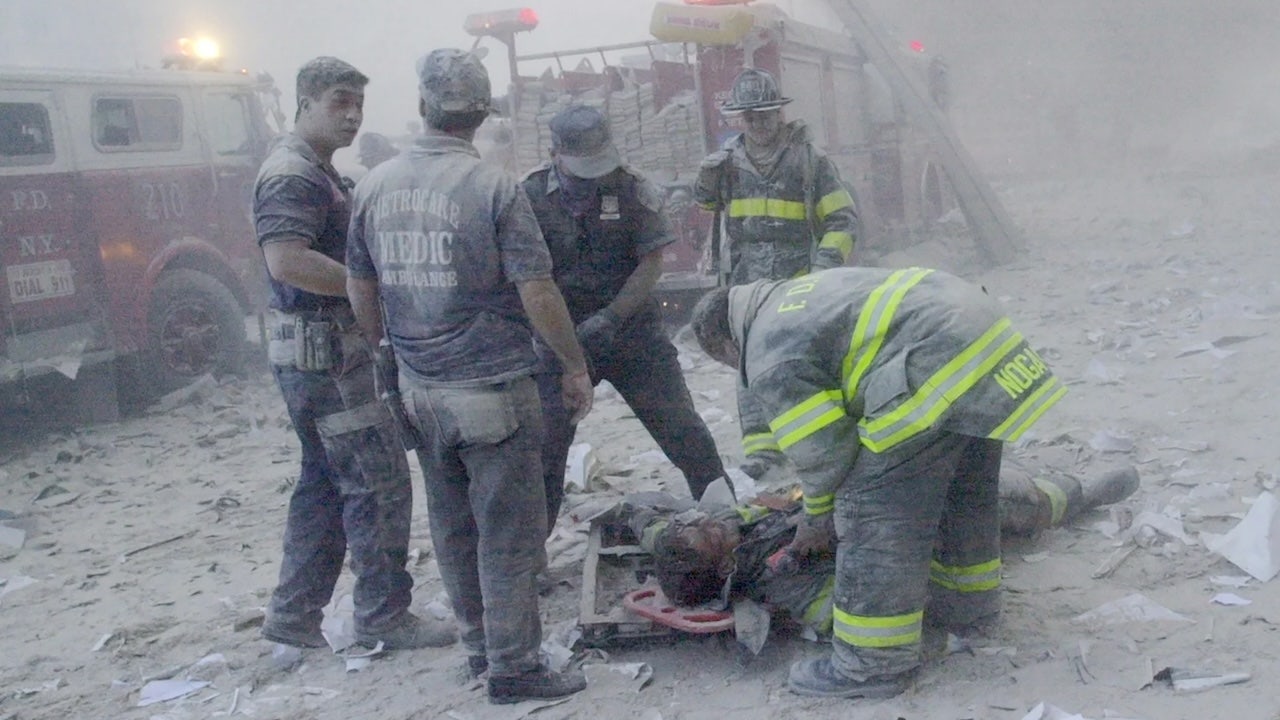
Mordechai Shedrowitzky was one of those volunteers who answered the call. The Queens-born EMT spent part of that day covering his local area, then went into Manhattan that night to help with the response, stepping into a scene wrapped in darkness, dust and chaos. He said the tunnel into the city was pitch black, and the air was filled with swirling debris that made the whole experience feel unreal.
At first, he thought he had made it through. But the body has a long memory, and the problems began piling up over time. What had once been manageable asthma turned into a far rougher battle, with wheezing, coughing, steroid use and repeated hospital stays becoming part of the routine.
By his own account, the decline was gradual but relentless. He described a point where the symptoms were no longer a nuisance, but something that could knock him out of work and keep him from taking care of his children. That kind of wear and tear is exactly what makes 9/11-related illness so unsettling, because the damage can stay hidden for years before it demands attention.
The turning point came after years of worsening respiratory trouble, when doctors identified tracheobronchomalacia, a condition that weakens the windpipe and major airways so they can collapse during breathing. In his case, it was tied to the long struggle with asthma and the heavy use of steroids over time, which left him needing a tracheobronchoplasty in 2024 to reinforce the airway structure.
That surgery changed the trajectory. Two years later, Shedrowitzky said he felt much better, though he still deals with the occasional infection, and even speaking for long stretches used to be a problem. The improvement matters in a big way, especially for someone who wants to get back to work as a physical therapist and live without every breath turning into a fight.
Dr. Denise Harrison, who has worked with post-9/11 patients for years, explained why the exposure has been so hard on so many people. The dust from that day was highly alkaline and irritating to the airways, and the size of the particles meant they could settle in both the upper and lower respiratory system, with some even affecting the digestive tract and esophagus.
That helps explain why the health issues are so varied. Patients often show up with asthma, sinus problems, COPD and reflux-related symptoms, and some also carry PTSD, which can complicate how breathing troubles are felt and treated. It is not a simple one-problem story, and that is part of why doctors often need to look at the full picture instead of just one diagnosis.
The World Trade Center Health Program has become a lifeline for many of these responders and survivors. It now provides screening, monitoring and treatment, and as of March 2025 more than 130,000 people were enrolled, with branches across major health systems including NYU Langone, Mount Sinai, Northwell, St.ony Brook and Rutgers.
The numbers behind the program are sobering too. As of March 2025, 8,215 enrollees had died, including 5,844 responders, though those figures include all causes and do not say whether each death was directly tied to 9/11 exposure. Even so, the scale of loss makes clear that the effects of that day did not end when the fires went out.
Shedrowitzky has been blunt about what others should do if they are still dealing with symptoms. He has urged first responders not to brush off breathing issues, not to assume they will go away on their own, and not to wait until the damage is severe before getting checked. For people who spent time in that dust cloud, that advice carries a sharp edge of experience that is impossible to fake.
Harrison says the lingering effects are still being studied, and that patience matters because the fallout keeps unfolding. Symptoms remain active, research continues, and the health system built around 9/11 exposure is still adapting to problems that were never truly finished in the first place. For many who were there, every follow-up visit is another reminder that survival on that day was only the beginning of a much longer story.
