
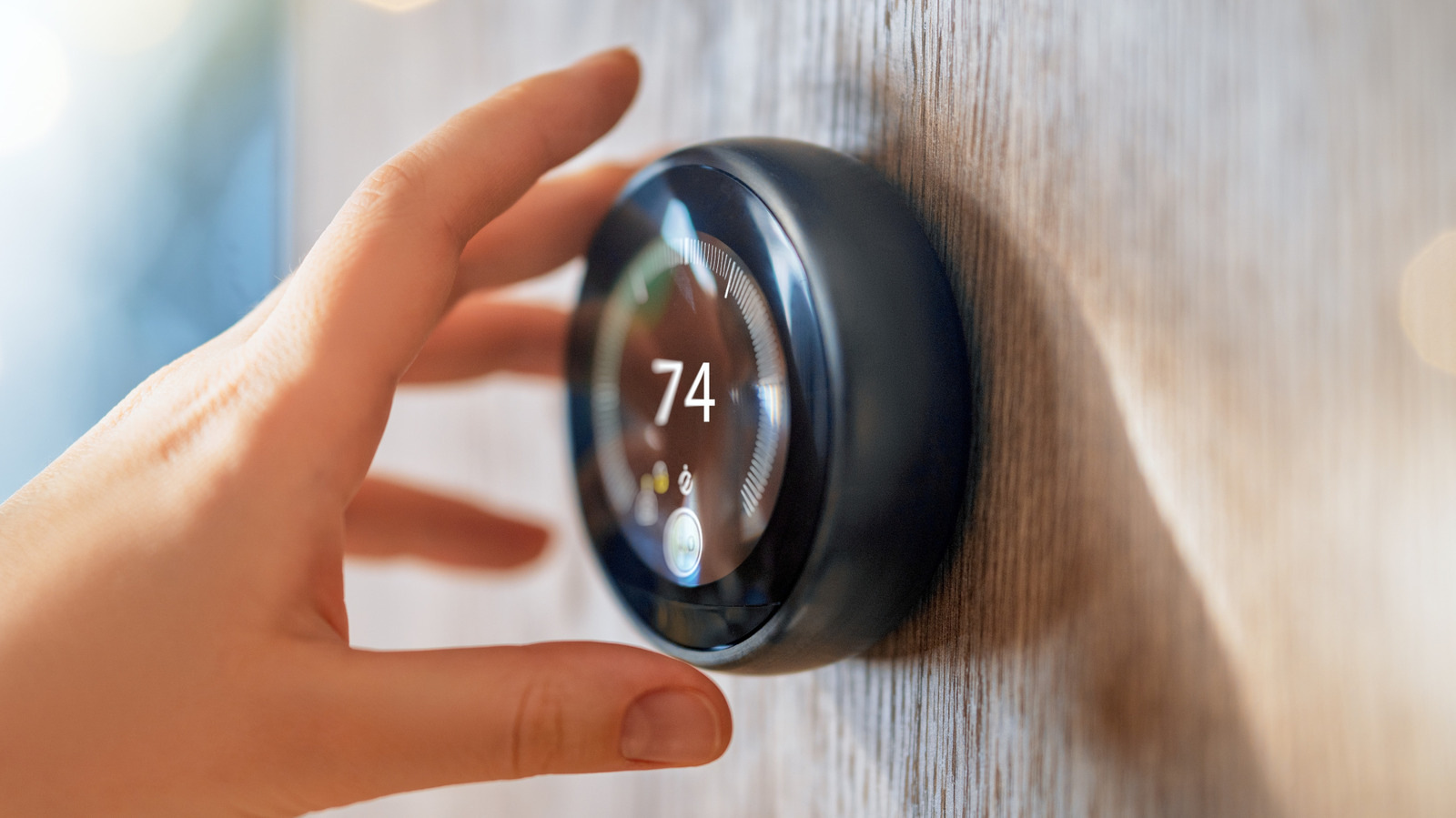
A growing number of energy companies are signing deals that let them nudge or directly control smart thermostats in millions of homes, and this article digs into how those agreements work, what incentives are offered, and what worries they raise for privacy, security, and consumer choice. You will get a clear look at demand response programs, the tradeoffs between savings and control, and practical steps to protect your comfort and data. Expect plain talk about risks, rewards, and how to make an informed decision if a utility reaches out to your household.
These utility agreements are often sold as win-win programs designed to shave peak demand and avoid rolling blackouts, and they usually involve automating short, controlled temperature adjustments during heat waves or cold snaps. Participants commonly receive credits on their bills or a one-time payment for enrolling, which can be tempting during tight budgets. The technical backbone is simple: the utility communicates with your thermostat manufacturer or a third-party aggregator to send setpoint changes during high-load events.
On the surface this looks like smart grid progress, but handing access to a device that literally controls your home environment brings real concerns about data and autonomy. Thermostats log occupancy patterns, daily routines, and sometimes even when you leave or return, information that could be valuable beyond energy management. The agreements often spell out data-sharing clauses that are buried in long terms of service, and most consumers barely skim these contracts before agreeing.
There is also a security angle most people overlook until it is too late, and the more parties with access to an IoT device the larger the attack surface becomes. A compromised thermostat offers a foothold into a home network and potentially to other connected devices, which could be leveraged for fraud or worse. Utilities and device makers talk about encryption and secure architectures, but real-world breaches of connected devices are not hypothetical anymore.
Another knotty issue is control and comfort. Some agreements promise minute adjustments that should be unnoticeable, while others allow utilities to override your preferred settings for extended stretches. That kind of remote control is a tough sell for people who pay for their own energy and expect to set their thermostat where they want it. Even small shifts can be intolerable for seniors, infants, or people with medical needs, so blanket approaches risk leaving vulnerable households exposed.
Regulation and oversight are still playing catch-up with the technology, and state utility commissions vary wildly in how they approve these programs and protect consumers. Some regulators require clear opt-in consent, transparent reporting of savings, and strict limitations on data use, while others simply rubber-stamp pilot programs. Consumers should watch what their local utility commission requires and push for rules that mandate plain-language disclosures and easy opt-out options.
If you’re offered a rebate to join one of these programs, read the fine print before you click accept and ask direct questions about what data will be shared and who can access it. Demand to know whether overrides are manual or automated, how long adjustments last, and whether the utility can change settings at any time without notice. You have leverage; utilities want participation to meet demand-response goals, so insist on documentation and clear customer support channels.
Practical safeguards are straightforward: use strong, unique passwords for your thermostat account, enable two-factor authentication if available, and network-segment the device away from sensitive computers. Keep firmware updated and check the manufacturer’s security policies before installing a new smart thermostat. If a program feels intrusive, opt out and look for alternatives like programmable schedules and home insulation improvements that cut usage without ceding control.
Public conversations about these agreements need to focus on balancing grid resilience with individual rights, and that means transparent deals, better security standards, and regulatory guardrails that put consumers first. Advocacy groups and consumer protection agencies can play a role by demanding audits and reporting on program outcomes so households know whether they truly save money or simply gave up control. At the end of the day, participation should be an informed choice, not a default switch flipped by fine print.
