
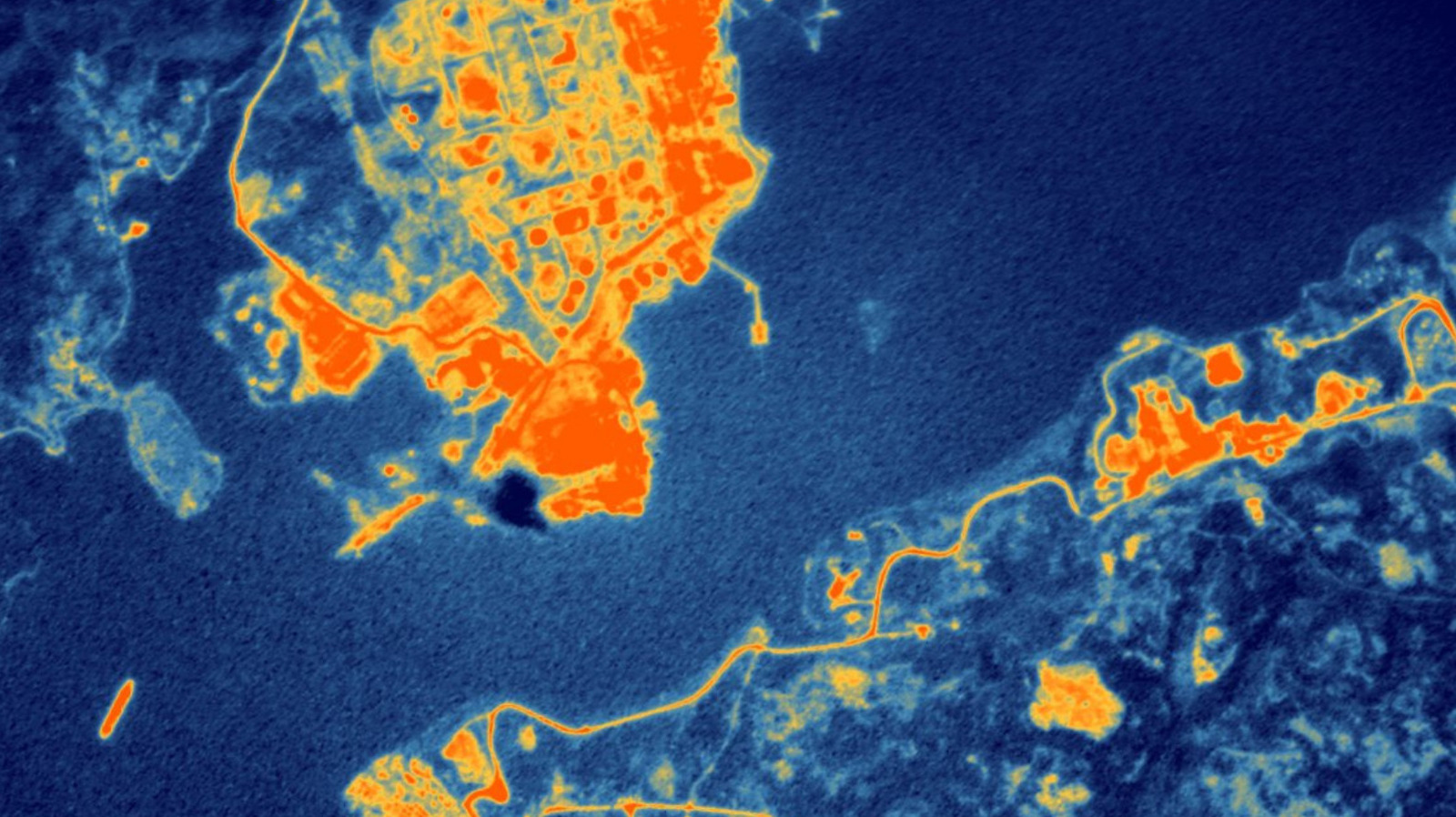
Satellites with thermal cameras are not the blurry space pictures you remember from TV; they map heat across wide areas and their growing clarity raises real privacy questions. This piece breaks down what a satellite thermal imaging system does, how its abilities differ from ordinary cameras, and why that matters for everyday life. You’ll get a clear look at technical limits, plausible surveillance scenarios, and the kinds of rules or habits that could help keep private moments private. Read on for a direct take without techno-jargon getting in the way.
Thermal imaging records temperature differences rather than visible light, so it paints scenes by heat instead of color. That means a thermal sensor highlights warm engines, bodies, and pavement that retains heat after sunset, creating a distinct map that is useful when light is low or obscured. It’s not a photograph in the usual sense, and the picture it produces tells a different kind of story about activity and movement.
When thermal sensors are mounted on satellites they gain two big advantages: coverage and persistence. From orbit a single pass can sweep hundreds of miles, spotting heat patterns over cities, industrial zones, and stretches of countryside in a single go. Improvements in detector sensitivity and image processing have pushed what those passes can reveal, which is why the phrase “could spy on you” keeps surfacing in headlines and conversations.
That said, there are real limits. Thermal sensors measure surface temperatures and usually cannot resolve tiny details at orbital distances the way a phone camera can. They struggle to see through solid walls, dense foliage, or many building materials, and they do not capture faces, license plates, or other fine features at most operational altitudes. What they can reliably show are heat signatures, hotspots, and movement patterns that stand out against a cooler background.
Those movement patterns are the root of privacy concern. A sequence of thermal images taken over time can show when a house is occupied, whether a car leaves a driveway at night, or where groups gather in a field. Layered with timestamps and location data, that information can be used to infer routines and behaviors even if it lacks the crisp detail of visible-light imagery. For people who value anonymity, that level of inference can feel intrusive.
Operators of thermal imaging satellites range from national agencies to private companies selling environmental or logistical data, and that mix complicates accountability. Some of the data is used for legitimate needs like wildfire detection, search and rescue, and urban heat monitoring, while other uses edge into surveillance territory. When sensitive capabilities sit in the hands of actors with weak oversight, the risk of misuse grows.
Practical safeguards exist but are uneven. Technical controls like reduced spatial resolution, aggregation of data, and delayed releases can blunt the surveillance potential of thermal imagery. Policy tools such as stronger access rules, transparent auditing, and clear penalties for abuse can steer operators toward responsible behavior. Public awareness matters too; when people know what these sensors do and don’t do, they can push for limits that balance utility and privacy.
At the end of the day, thermal imaging satellites bring a new lens on human activity that is powerful but imperfect. They are tools that reveal heat and movement at scale rather than intimate detail, and that distinction should shape policy, deployment, and public expectations. Keep an eye on how the technology and rules evolve, because the balance between helpful monitoring and invasive surveillance will be set by decisions we still have time to influence.
