
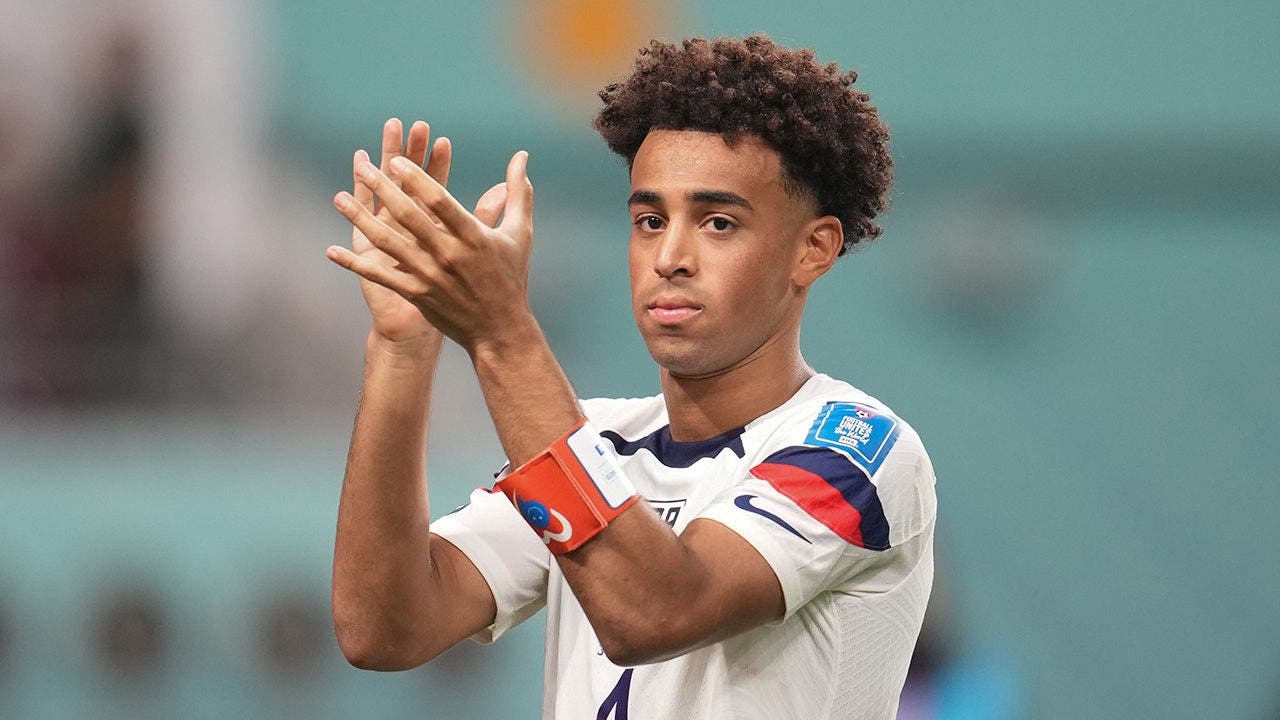
With the 2026 World Cup just weeks away, Tyler Adams and the U.S. men’s national team are sharpening focus while reminding fans that the tournament has a simple, powerful job: to lift people up amid an uncertain world. Adams, now captain, frames the event as a unifier and a rare chance for the sport to do what it does best — create memories and common ground. This piece looks at his message, the team’s state of play, the expectations at home, and why the event matters beyond the scoreboard.
Tyler Adams has stepped into the spotlight not just as a midfielder but as a steady voice for a national side that will play most of its group stage games at home. He acknowledged the bigger role sport plays, saying the World Cup can “bring people together” even when global events feel chaotic. That line has echoed through training camps and media rooms because it captures both pressure and possibility in one brief phrase.
On the field, Adams represents a blend of defensive discipline and creative transition play that gives the team tactical flexibility. Coaches value his ability to read the game, break up attacks, and initiate swift counters, and teammates say his presence raises standards in training and matches. That kind of leadership matters when stadiums are filled with home fans expecting results and national attention ramps up to an almost festival-like level.
Expectations are a living thing with the U.S. team right now, growing and shifting as rosters are finalized and friendlies offer last tests. Playing across multiple cities in the host countries adds both advantages and logistical headaches, but the home advantage notion remains real — crowds, familiar climates, and less travel can tilt fine margins. That said, opponents will adapt and the tactical chess matches will still come down to details in midfield battles and clinical finishing in the final third.
For supporters, this tournament is a rare convergence of pride and spectacle that goes beyond wins and losses. Local business owners, youth programs, and volunteer groups see World Cup weeks as chances to build momentum for the long term and to introduce new fans to the game. Even players sense that their performances can inspire kids in suburbs and inner cities alike, turning fleeting attention into sustained participation.
Pressure will mount now that the U.S. enters a months-long media cycle with intense scrutiny on lineups, injuries, and formation choices. How Adams and his teammates handle the noise matters as much as how they handle opposing forwards — mental preparation, squad unity, and smart recovery routines will be decisive in a condensed tournament schedule. Coaches are mapping rotation plans and contingency strategies while keeping a steady tone in public, recognizing that calm leadership reduces the risk of panic after a rough outing.
The broader legacy of this World Cup might be the most interesting subplot: infrastructure, fan culture, and youth interest could all receive a lasting boost if the event is managed well. Stadium atmospheres seeded now can turn into regular-season attendance improvements and a deeper talent pipeline that benefits the national team for years. For players like Adams, the immediate focus is on the next match, but the longer view — growing the sport and creating moments that stick — is never far from the conversation.
