
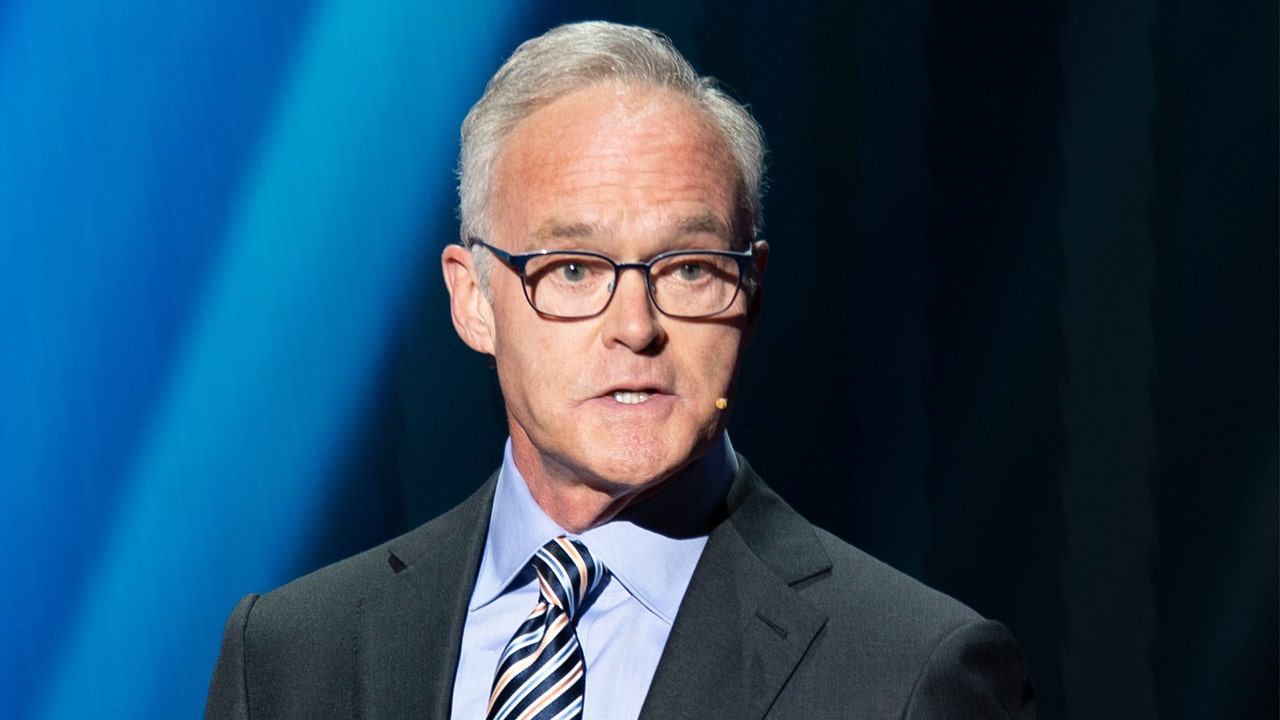
Scott Pelley’s exit from 60 Minutes exploded into a messy public row — accusations, revenge letters, and a media circus that split opinion along partisan lines. This article walks through the clash with new leadership, the claims Pelley made about newsroom ethics and his own record, the reactions from figures across the spectrum, and what this fight tells us about tensions inside legacy newsrooms. It’s a close look at ego, change, and the high stakes of a storied broadcast facing a shakeup.
The handoff at 60 Minutes got ugly fast, and Pelley did not go quietly. He publicly accused the new editor of “murdering” the show and openly confronted the program’s new producer, leaving little room for a quiet transition. That kind of theater in front of staff signaled a burned bridge, and management answered in kind.
Management’s response was measured but firm. They said “there must be trust and mutual respect…That foundation was broken on Monday, and despite our attempts to engage with Scott Pelley and to find a way back, unfortunately we weren’t able to do so, and so we had to part ways. “We did not want that to happen, but that’s the path that he chose. That unfortunate outcome does not discount from the amazing contributions and work that Scott Pelley has done for CBS and for ‘60 Minutes’ over the course of his career.” Those words framed the split as a regrettable but necessary move to restore workplace norms.
Nick Bilton did not hold back either. He wrote that “You hijacked my first meeting with staff to disparage me, my qualifications, and my intentions with remarkable incivility and contempt.” He also described the episode as a “performative display of hostility enacted in front of the staff.” That’s a sharp accusation from a new boss trying to assert authority and set a tone.
Pelley pushed back hard, accusing the new regime of editorial malpractice. He said “good people were silenced because they stood up for our audience…” and added that “For my part, new management has instructed me to inject falsehoods and bias into a politically sensitive story. I’ve been told to include assertions that are unverified,” though he has managed to ignore these instructions or refuse them.” Those are heavy claims for a journalist known for a sober delivery, and they raised immediate questions about what changed behind the scenes.
He also warned about production chaos, saying “In a case involving one of my stories, the entire program came within 19 minutes of not getting on the air at all.” That line suggested deeper operational tensions, not just personality clashes. If true, it points to a newsroom in realignment, stumbling as new leadership reshapes editorial priorities.
Pelley leaned on his own track record to defend his stance and reputation. He told the New York Times on Tuesday: “I have been in combat in
Afghanistan. I have been in combat in Iraq. I have been in the war zone in Ukraine multiple times, risking my life and the happiness of my family because of my devotion to the broadcast.” Critics seized on the phrasing — noting that his roles were frontline journalism rather than combat operations — and used that to mock the claim and question motives.
Outside voices piled in from predictable directions, sharpening the partisan edges of the story. President Trump said, “Look, Scott Pelley’s a stiff,” and “And he’s afraid. And he’s part of this gang of stupid, crooked people that don’t care about our country.” Media figures and commentators traded barbs from both sides, with lines like “Pelley seems to be attempting a murder/suicide. So far he’s halfway there.” and “60 doesnt have another Pelley in the pipeline talent-wise.” slung across the internet.
The fallout included a wider shuffle at CBS, with several on-air talents and producers gone or moving on, and executives trying to steady the ship. For viewers who don’t follow media politics, the changes read like the end of an era at the network’s flagship franchise, which still pulls strong ratings and big ad dollars. That tension — between legacy value and new direction — is exactly what’s tearing at the seams here.
Commentary was brutal and fast, and not all of it sympathetic to Pelley. Some called him out as overvaluing his market worth and temperament, while others framed the episode as evidence of a takeover that will reshape the culture and coverage at CBS. Regardless of which side you land on, Pelley’s exit is a loud reminder that even storied institutions can fracture when personalities, money, and politics collide.
