
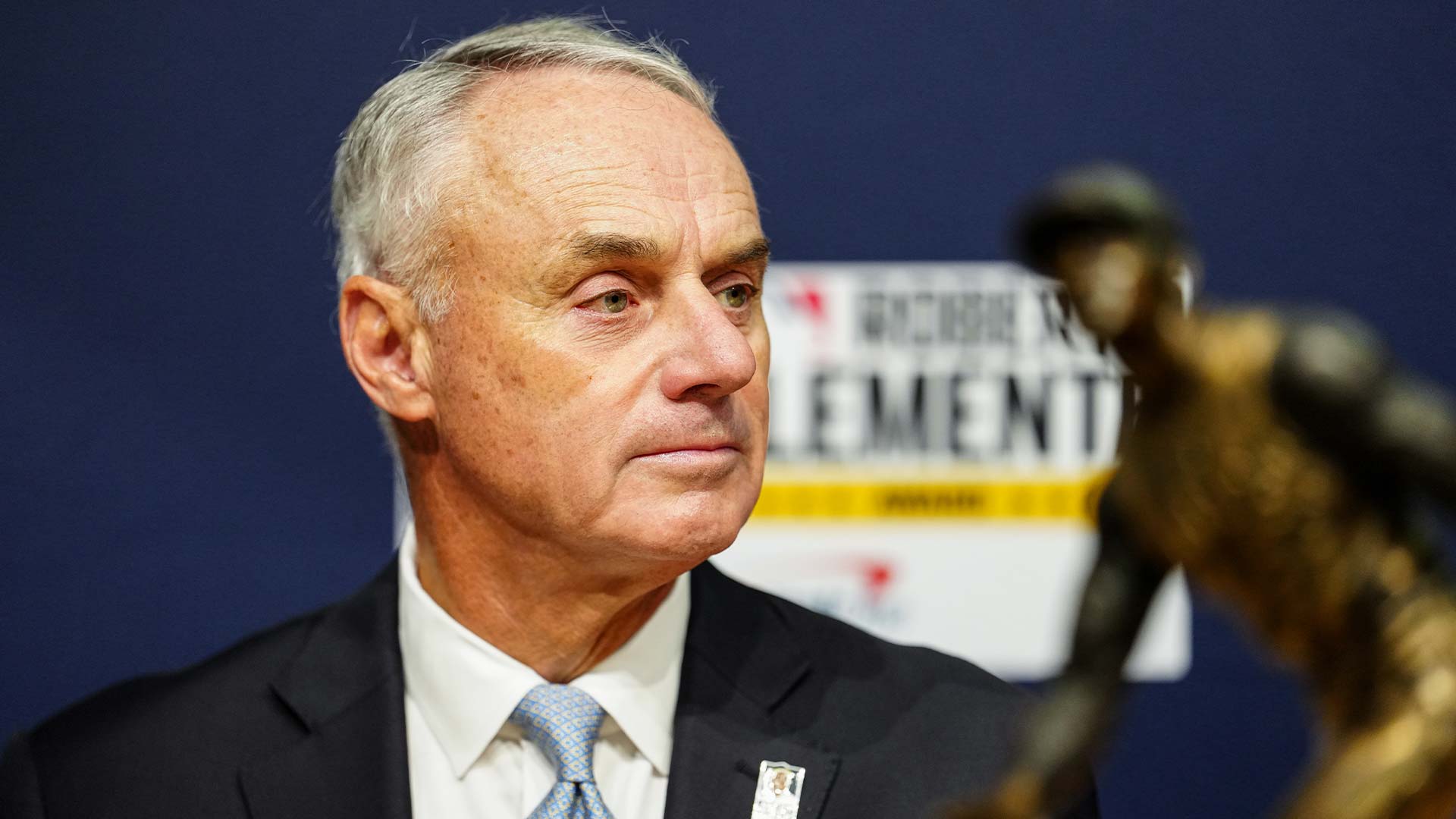
Commissioner Rob Manfred has raised a red flag about owners pushing a salary cap, warning it could trigger a labor clash reminiscent of the 1994 season stoppage; this piece looks at why he is concerned, how players and owners are reacting, what history shows about a lost season, and what fans stand to lose if talks break down.
The owners’ salary cap proposal is framed as a tool to control runaway payrolls and level the competitive field, but it fundamentally alters how players earn their living and how teams structure long-term plans. Manfred’s unease stems from the potential for entrenched positions to calcify, turning bargaining into a cliff that neither side wants to jump from yet might have no choice but to. With both sides publicly posturing, the chance of a hard-line outcome has moved from theoretical to genuinely worrisome.
Players see a cap as a ceiling on opportunity and a direct constraint on free market earnings they have come to expect through arbitration and free agency. Owners counter that the economics of the sport require new rules to ensure smaller-market clubs can compete without sinking into unsustainable debt. That basic clash of perspectives gives this negotiation a high stakes edge, because it is about more than dollars; it is about the structure of the league itself.
Manfred invoked the specter of 1994 not to panic but to remind stakeholders of what a full stoppage costs everyone involved, from service workers at ballparks to broadcasters and local businesses. The 1994 shutdown ripped trust out of the game and left a long shadow over labor relations, making it a cautionary example of how quickly disputes can destroy the season. His messaging is a strategic nudge toward serious bargaining rather than brinksmanship.
Owners argue a cap will create clearer budget lines and stop big-market clubs from monopolizing talent, a claim that appeals to fairness but glosses over the reality that salary management also shifts leverage and can depress career earnings. Players insist that solutions exist that do not require a hard cap, pointing to alternatives like revenue sharing tweaks, luxury tax adjustments, or more creative arbitration changes. Those middle-ground ideas are getting airtime, but momentum is thin when headlines reward tough talk.
Negotiations this far from a potential strike often look theatrical, with sound bites and positional posturing dominating the conversation while lawyers and negotiators quietly test options behind closed doors. The public fight is useful for each side to set expectations with their constituencies: owners placate shareholders and local governments, while players reassure teammates and agents. Still, the real movement usually happens in private sessions where the noise fades and pragmatic tradeoffs are weighed against the cost of a lost season.
Fans and local economies are the silent victims in any labor showdown, suffering canceled games, lost wages for stadium workers, and a hole in summer schedules that no other sport fills the same way. For younger fans, the memory of canceled championships translates to long-term disengagement and lower attendance years later, a damage metric that is painfully slow to repair. That ripple effect is why many figures outside the immediate bargaining table are starting to pressure both sides to find a compromise before lines harden.
There are legal and logistical paths that could soften a standoff, including phased implementations, pilot programs, or opt-in financial rules that let teams trial a cap-like system without universal adoption. Those mechanisms require trust and enforceable guarantees, and trust is precisely what eroded during past disputes. Any durable fix will need transparent accounting, dispute resolution frameworks, and shared incentives that make cooperation more attractive than conflict.
At stake is not only a season but the credibility of the sport’s governing structure and the long-term relationship between labor and ownership. Manfred’s warning is a public reminder of the stakes and a push for cooler heads, but whether that nudges talks toward a deal or merely sharpens the debate depends on both sides acknowledging that the real loser in a stoppage is baseball itself. The coming weeks will test whether negotiation can outpace escalation and whether the sport can modernize its financial rules without triggering another headline the game can do without.
