
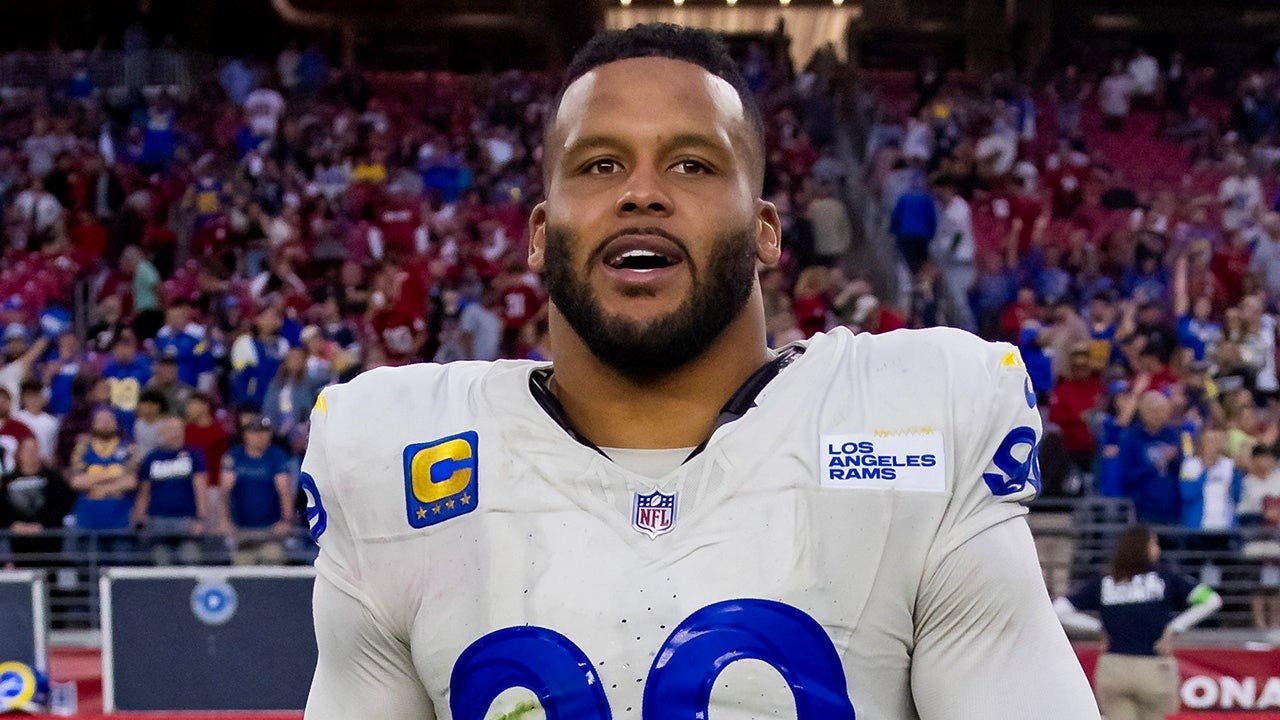
A report from former Rams defensive lineman Michael Brockers has stirred the rumor mill: Aaron Donald might be tempted to reverse course on retirement and line up alongside Myles Garrett on the Los Angeles Rams’ front. This piece examines Brockers’ claim, what such a move would mean for the Rams’ defense, and the practical hurdles—salary, chemistry, and game plan—that stand between a headline-making reunion and another offseason whisper.
Michael Brockers is the kind of source whose words carry weight inside locker rooms, so when he suggests Donald could be back, people pay attention. Brockers and Donald shared the trenches, they lived the daily grind together, and that firsthand perspective is why his comment landed in conversations around the league. Still, talk from a teammate is not the same as a contract or a medical clearance, and separating optimism from deal reality matters.
Aaron Donald walking back onto the field would be seismic for any defensive unit. He remains one of the most disruptive interior pass rushers of his generation, the kind who shortens quarterbacks’ decision windows and forces offenses to scheme differently. Even if he’s no longer at peak physical form, his technique, awareness, and reputation alone change opponents’ game plans and open lanes for teammates to make plays.
Putting Donald next to Myles Garrett in Los Angeles would create a remorseless combination on paper. Garrett’s edge violence and Donald’s interior dominance would pose matchup nightmares across the line, from the run game to third-down pressure. Coaches would drool over schematic possibilities, but drooling does not write checks; fitting two elite veterans into a salary sheet and a rotation requires tough choices from the front office.
Money and roster logistics are the concrete realities behind every blockbuster idea. Donald’s return would carry a price, and cap-strapped rosters face decisions about depth, backups, and special teams when allocating dollars to star power. The Rams would need to weigh short-term splash versus long-term sustainability, particularly if they’re balancing quarterback support and building around younger pieces. Fans want big names, but smart teams balance flash with depth.
There’s also the human factor: chemistry and role definition. A returning veteran needs clarity on snap counts, scheme tweaks, and leadership expectations to avoid undermining a locker room. Donald has been a leader by example for years, and bringing that voice back could lift the room or create friction if roles aren’t managed. Myles Garrett is a force in his own right; aligning two alpha talents on one front means figuring out how they complement rather than collide.
Health and durability are non-negotiable concerns when considering any comeback. The training staff, medical exams, and preseason conditioning would need to certify that Donald can sustain the grind of an NFL campaign. Even stars fight through wear and tear, and teams must be honest about what a veteran can handle in a full season. Risk management becomes a chess match between optimism and prudence for both player and franchise.
Public reaction moves fast in moments like this: social feeds fill with nostalgia, supporters dream of playoff runs, and skeptics question feasibility. The narrative matters because it shapes pressure on decision-makers and the player himself. Donald stepping back in would be a headline that shifts attention, but headlines don’t guarantee wins; execution on the field does.
Finally, don’t forget timing. Offseason windows, free agency cycles, and draft plans all factor into whether a reunion is realistic. Teams can pivot, but last-minute additions rarely mirror the polished fit that months of planning can produce. If this story evolves beyond speculation, expect the Rams and Donald to move cautiously and strategically rather than theatrically.
