
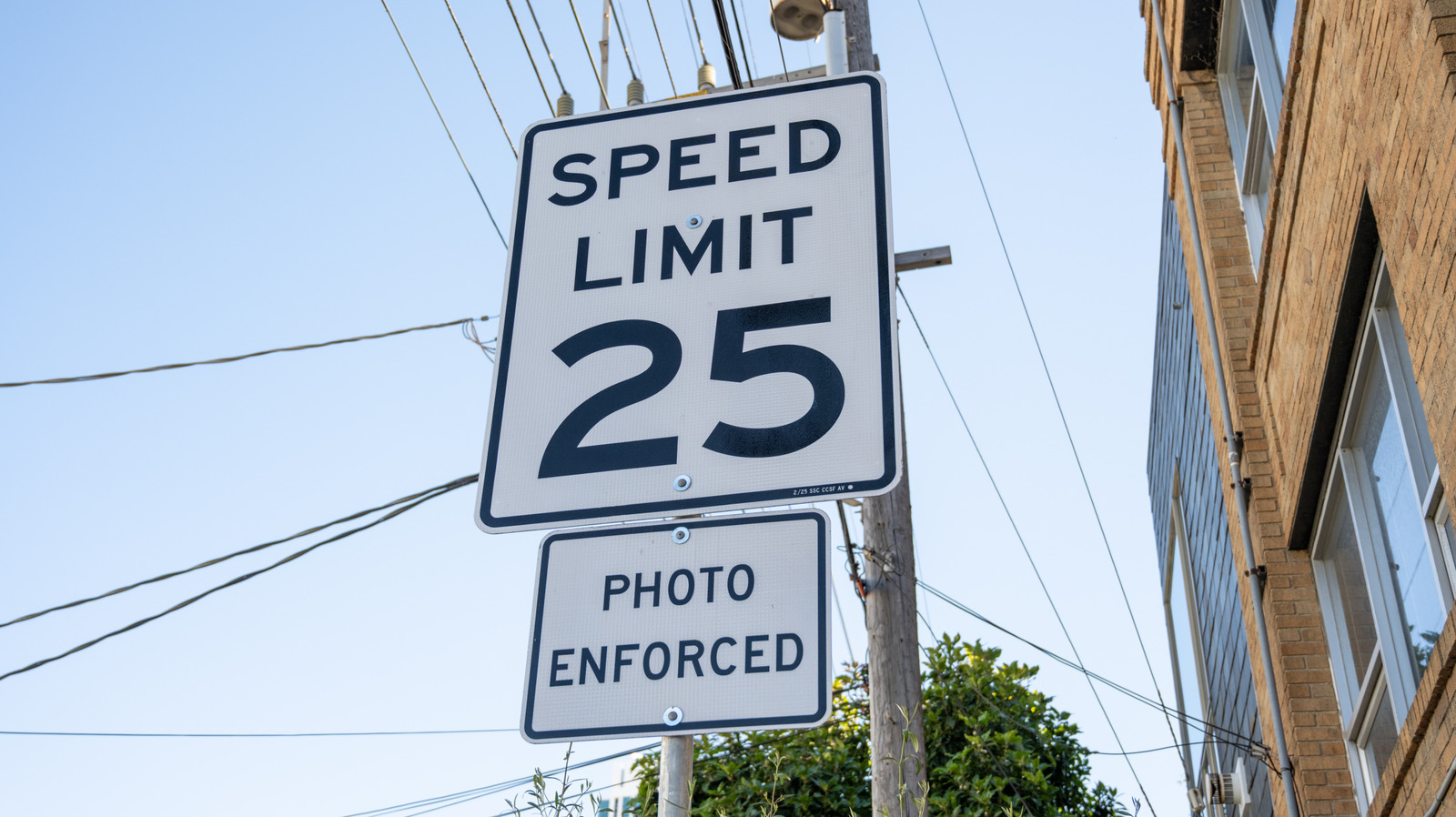
“Photo enforced” on a speed limit sign is a warning that automated cameras are watching for drivers who ignore the posted limit. It is a simple phrase, but it carries real weight because it signals that a speeding violation may be captured, processed, and turned into a ticket without a traditional roadside stop. These systems are built to make drivers think twice before pressing the gas a little harder than they should.
The setup usually falls under Automated Speed Enforcement, or ASE. These cameras show up most often in work zones and school zones, though they can also be used in places where traffic moves fast and crashes can get ugly in a hurry. The whole point is to slow people down before a bad decision turns into a wreck.
In many cases, the warning sign comes before the camera itself. That gives drivers a clear heads-up that the area is being monitored and that the speed limit is not just a suggestion. If the system records a violation, a citation may be issued automatically based on the image or data it captures.
That automatic part is what makes ASE such a strong deterrent. Drivers tend to ease up when they know a camera is ready to catch them, and that drop in speed can have a real impact on safety. The Federal Highway Administration has said these programs can reduce speeding, crashes, injuries, and fatalities in work zones, which is exactly the kind of result transportation officials want.
Work zones are a big reason these systems exist, because those areas can change quickly and leave very little room for mistakes. Even if no workers are visible, the cameras may still be active and tickets can still be issued. That detail surprises a lot of drivers, but the system is designed to protect the zone itself, not just the people standing in it at that moment.
ASE cameras do not all look or function the same way. Some are fixed to poles, others are semi-fixed and can be moved, and some are built for intersections where they detect speed on a green light. Mobile units also exist, which means communities can place enforcement where the risk is highest instead of relying on one permanent setup.
Whether the system is legal depends on the state and the local rules in place. Some areas allow photo enforcement only in certain locations and only if the program meets strict requirements, like visible warning signs, calibrated equipment, and official certification. In some places, citations may also go through a review process before they become final, which adds another layer of control.
The question of who gets held responsible can vary too. In some jurisdictions, the driver is treated as the person who committed the violation, while in others the registered owner of the vehicle may be on the hook. That difference matters because it changes how a ticket is handled and who ends up dealing with the fine or legal follow-up.
One thing that does not change is that there is no single national rulebook for these programs. The Federal Highway Administration does not set one universal standard for whether warning signs must be posted or exactly where cameras can go. That means state and local governments have a lot of say, and drivers can see very different rules from one place to the next.
That patchwork approach is why the same phrase on a sign can mean different things depending on where the road is. In one town, it might be tied to a tightly managed safety program with clear notice and strict controls. In another, it could be part of a broader traffic enforcement push meant to keep drivers from treating the limit like a loose recommendation.
For drivers, the takeaway is pretty direct: if a sign says “photo enforced,” the road ahead is likely being monitored by cameras built to catch speeders. That is not the moment to test how forgiving the system might be, especially in places where the margin for error is razor thin. The safest move is usually the boring one, and on roads like these, boring is exactly what keeps traffic moving and people out of trouble.
