
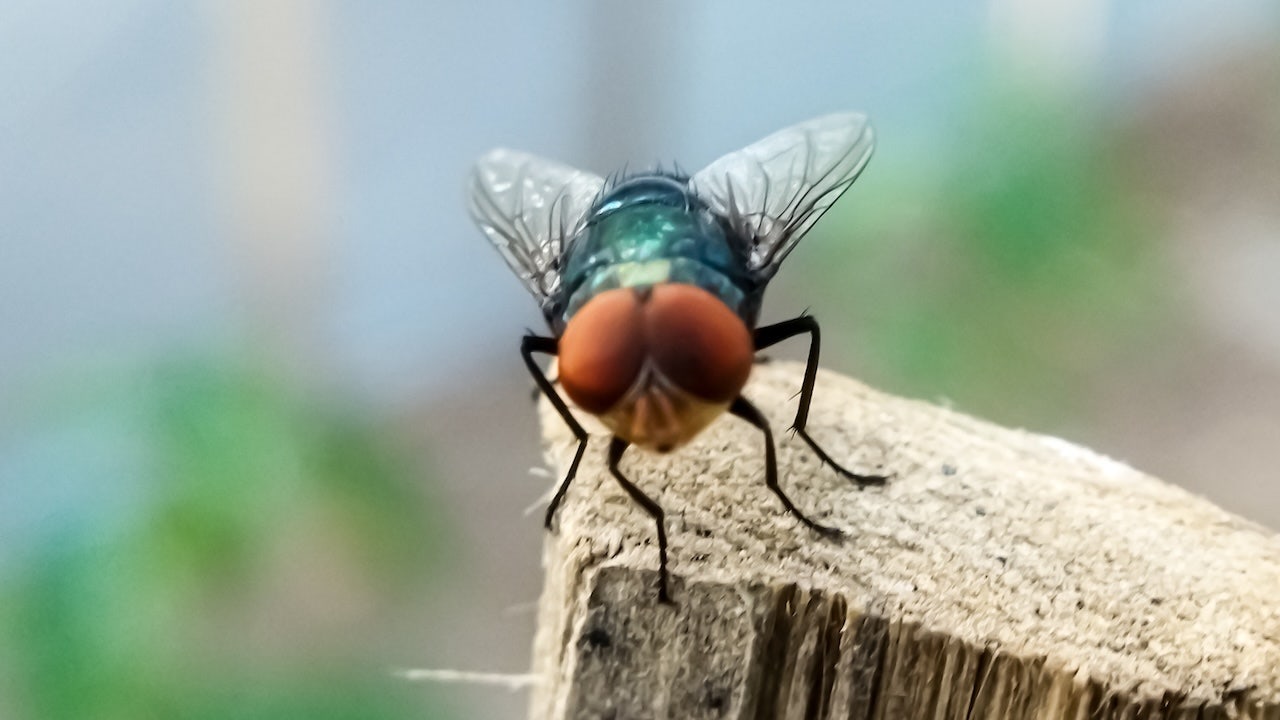
Officials say the New World screwworm is back on the radar, but the panic button does not need to be smashed. The parasite has shown up in a small number of animals in Texas and New Mexico, yet experts and USDA officials say the nation’s meat, milk, and produce remain protected by the inspection system and standard processing.
The screwworm is not your typical food poisoning headline. It is a fly larva that targets live, warm-blooded animals through open wounds, which is a very different problem from germs that spread through contaminated food. That means the risk is aimed at livestock health and animal control, not what ends up on a dinner plate.
That distinction matters because the parasite’s name sounds alarming enough to spark worst-case thinking. Dr. Aaron Glatt said the U.S. food supply is not compromised by New World screwworm because it is an animal issue, not a foodborne pathogen issue. In plain English, infected animals can be treated, inspected, or kept out of the supply chain before anything reaches consumers.
The outbreak story got real on June 3, when officials confirmed a case in a 3-week-old calf in Zavala County, Texas. Since early June, the USDA has reported 33 infections in animals across Texas and New Mexico, including cattle, goats, and even a pet dog. That kind of spread is a warning sign, but not proof that the food system itself is broken.
USDA safety checks are built to catch exactly this kind of problem. Animals headed for human consumption must pass inspection before and after slaughter, and anything that looks unsafe can be pulled aside for closer review. If an animal is sick enough to pose a risk, it does not just slip through and become someone’s steak.
When a slaughterhouse animal shows signs of illness, inspectors can label it a “U.S. Suspect” and send it for extra evaluation. If the infection is found earlier, a veterinarian can treat the animal and disinfect the wound to stop the infestation from getting worse. Livestock that are infected are quarantined until the wounds heal, which keeps the parasite from spreading casually across a herd.
How the screwworm moves is part of what makes it so nasty. A female fly is drawn to the smell of a wound, lays eggs there, and the larvae hatch and feed on living tissue. The fly can lay thousands of eggs in its short life, but it still needs that wound-to-wound pathway to keep the cycle going.
Despite the grisly reputation, the parasite does not spread through meat, poultry, or dairy. Screwworms die during normal processing and cooking, and people do not catch them from eating beef. Dr. Bobbi Pritt also noted that most people in the U.S. are very unlikely to ever run into this parasite at all.
The bigger concern is the animal health fight, especially in regions where the fly can survive. It thrives in tropical and subtropical climates, and colder weather makes survival harder. Researchers have also pointed out that warming temperatures could widen the areas where it might eventually establish itself.
For now, the main control strategy is old-school but effective: sterile male flies. The USDA is using the sterile insect technique, the same approach that helped wipe out the parasite back in the 1960s, by releasing males that mate with females but produce no viable offspring. Because female screwworm flies only mate once, that method can drain the population fast.
The federal response is getting serious money behind it too. The USDA has already announced funding to upgrade a sterile fly production site in southern Mexico, and it also plans a major new facility in Texas. Those moves are meant to keep the pressure on the outbreak before it gets a chance to settle in.
For people, the warning signs are specific but rare. A worsening wound, redness, swelling, pain, a creepy sensation of movement, or visible larvae all call for medical attention right away. The CDC also advises keeping wounds covered, using repellent, wearing long sleeves and pants, and avoiding easy exposure to flies when possible.
If anything like that ever turns up, the key is not to improvise. Maggots should not be yanked out carelessly, and any suspected case needs proper medical help so the infection can be handled without making it worse. That’s especially true in places where livestock and people may be moving in and out of the same outdoor spaces every day.
