
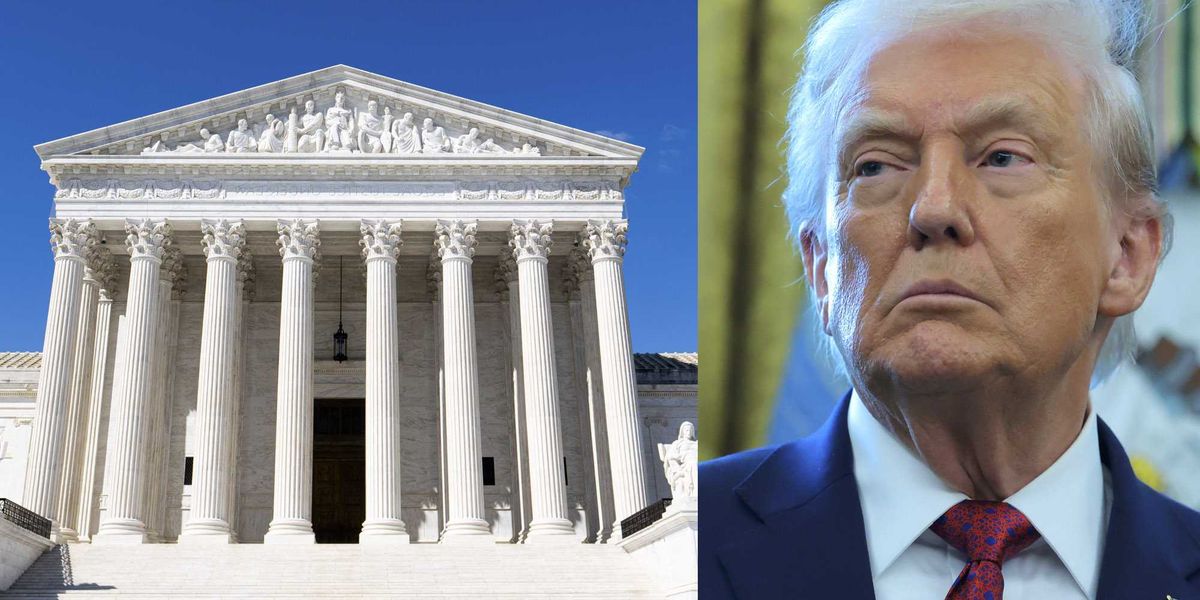
California’s election rules are back in the spotlight after the Supreme Court declined to step into a battle over roughly 20,000 voters flagged as likely noncitizens. The move keeps the dispute where it already was, leaving state officials, election watchdogs, and voters to keep arguing over how to balance access to the ballot with basic enforcement of citizenship rules.
The case has become a flashpoint because it sits right at the center of a bigger national fight: who gets to vote, how closely voter rolls should be checked, and how much room states have to clean up their own systems. Supporters of tougher verification say the numbers are too large to shrug off, while critics warn that bad data can lead to confusion and unfairly burden eligible voters. That tension has made the issue politically explosive in California and beyond.
At the heart of the dispute is a simple but loaded question, whether people identified as likely noncitizens can remain on voter lists without triggering stronger action. Election officials are under pressure to prove the rolls are accurate, especially when even a small error can fuel public distrust. When the number in question reaches into the tens of thousands, the concern only grows louder.
For many conservatives, the bigger issue is less about one state and more about the message being sent. If citizenship checks are treated like an afterthought, confidence in elections takes a hit, and that is hard to rebuild once it slips. The push for tighter standards is driven by the belief that voting is a right reserved for citizens, not a system that should be loose enough to invite abuse or sloppy recordkeeping.
California, of course, has long been a battleground for election policy. The state often takes a more relaxed approach to voting access, while critics argue that openness should never come at the expense of integrity. That split has turned routine list maintenance into a high-stakes political fight, with every update to the rolls carrying the weight of national attention.
The Supreme Court’s refusal to intervene does not settle the underlying question, and that is part of what keeps this issue alive. The justices stepping back means the argument continues in lower courts and in the public square, where both sides will keep pressing their case. For election observers, that leaves a familiar problem unresolved, how to make sure the rolls are accurate without turning the process into a mess.
The practical stakes are plain. If voter lists are filled with names that should not be there, even temporarily, skeptics see a system that is too easy to game. If officials move too aggressively, others will argue that legitimate voters are being caught in the dragnet, which is why these fights rarely end cleanly.
That is why the California dispute has landed with so much force. It is not just about one court order or one list of names, but about trust, enforcement, and whether election systems are built to stand up to scrutiny when the pressure is on. With the political climate already primed for suspicion, every new twist in the case only sharpens the debate over what a fair and secure election should look like.
