
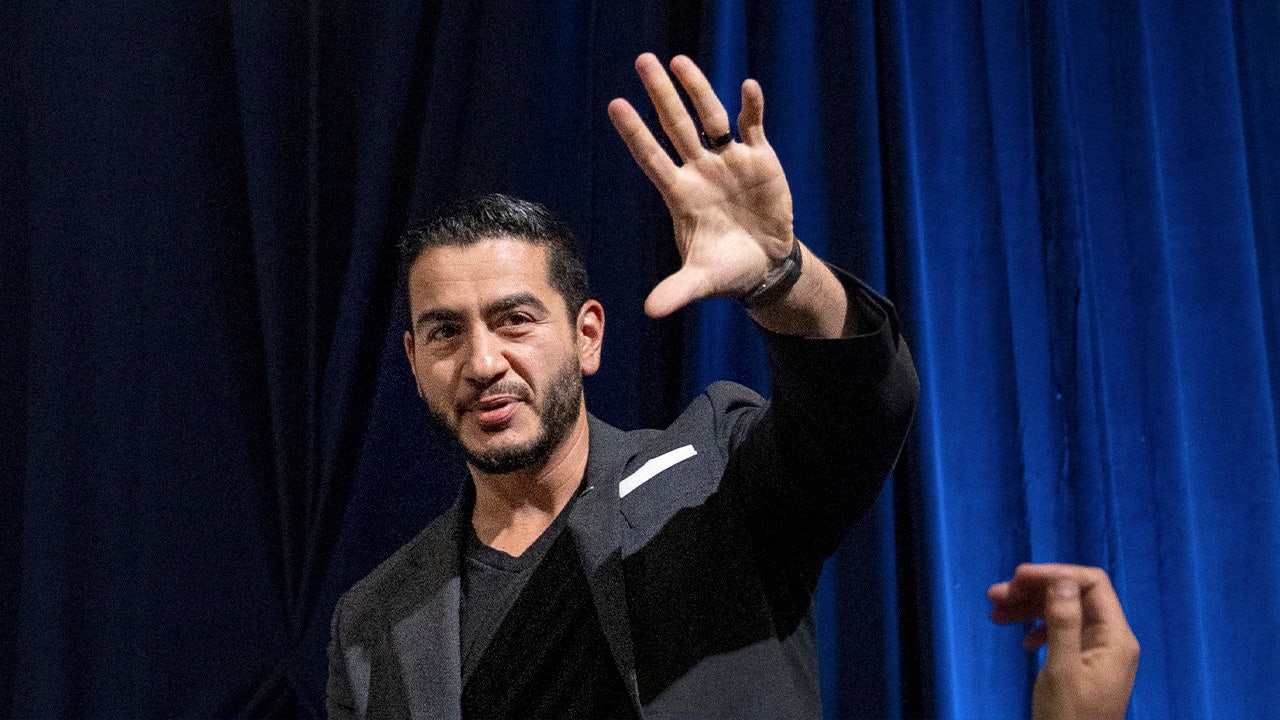
Michigan’s Senate race has become more than a contest over one seat. It has turned into a sharper fight over how Black voters are spoken to, what kind of politics deserves their trust, and whether old-fashioned progressive language is being sold as something new. Abdul El-Sayed is at the center of that clash, and his outreach has drawn praise, skepticism, and plenty of hard questions.
El-Sayed has tried to build support in Detroit and beyond by leaning into themes of debt, repair, and obligation. He has visited Black churches, stood with pastors, and rolled out a set of promises aimed at Black communities that includes housing timelines, minority business loans, and school repairs. In his telling, the state owes people a better future. To critics, that sounds less like empowerment and more like the same tired pitch wrapped in fresh packaging.
That frustration comes through strongest in the way he talks about race and politics. At one point, he told a room of women faith leaders in Detroit, “When it comes to Black communities in Michigan, when it comes to Black communities in America, there are unpaid debts that have long since come due that we are unwilling to acknowledge, let alone pay down.” The line is carefully chosen, but it also lands with a heavy dose of condescension. It frames Black voters as a group waiting on somebody else to make good on the bill.
There is also the matter of his political lane. El-Sayed insists he is not a socialist and calls himself a capitalist, while his campaign keeps a careful distance from the Democratic Socialists of America. Yet his record includes years of speaking at DSA events, a keynote at a fundraiser, and support from activists who clearly saw him as one of theirs. That gap between branding and backing matters, especially when voters are trying to figure out whether the candidate is hiding the full story.
The deeper criticism is not just about labels. It is about the worldview underneath them. El-Sayed’s message fits neatly into a style of politics that treats people as victims first and citizens second. It talks in the language of grievance, dependency, and rescue, while avoiding the harder ideas of responsibility, family structure, work, and self-government that built so much of American success in the first place.
That is why his pitch hits a nerve with so many conservatives and with Black leaders who have spent years fighting the damage of dependency politics. Programs that were sold as ladders out of poverty often became traps instead. Housing projects, welfare rules, and bureaucratic systems too often weakened marriage, pushed fathers aside, and made government checks feel like a substitute for real opportunity. The result was not freedom. It was stagnation dressed up as compassion.
The numbers around family breakdown tell a blunt story. In the early 1960s, far fewer Black children were born to unmarried mothers than today, and the rise since then has been dramatic. That trend did not happen by accident, and it did not come from too much self-reliance. It grew alongside policies and messages that made work, marriage, and accountability seem optional. A politics that ignores that reality is not serious about helping anyone.
El-Sayed’s camp also has plenty of ideological baggage around it. The DSA’s agenda has included far more than standard liberal reforms, with talk of abolishing the Senate and Electoral College and replacing major institutions with something far more radical. That kind of language may excite activists, but it makes a lot of ordinary voters uneasy. They are not looking for a social experiment. They want stability, safety, and leaders who actually respect the country they serve.
Then there is the way criticism gets deflected. When questions came up about possible family ties to the Muslim Brotherhood, El-Sayed rejected the claims and pushed back hard, saying the suggestion was offensive and unfair. Even if the allegations about him personally have not been proven, the reaction showed how quickly concern can be turned into outrage, especially when a candidate knows that accusations of bias can shut down honest debate before it really starts.
That tactic works because many politicians understand how powerful guilt can be. Some White progressives like to hear a candidate talk about debts owed and historic wrongs because it lets them feel righteous without changing anything meaningful. It is a neat little transaction: they get moral credit, and the communities they claim to defend keep getting the same old politics. That is the real problem with this kind of campaign. It asks voters to applaud the language while ignoring the long trail of failure behind it.
Michigan voters are getting a close look at all of that now. What sounds compassionate on a stage can look very different when it is measured against the real lives of working families, church communities, and neighborhoods that have heard these promises before. In Detroit and across the state, the question is not whether El-Sayed can talk the talk. It is whether this brand of politics has anything new to offer, or whether it is just another polished version of the same old liberal condescension.
