
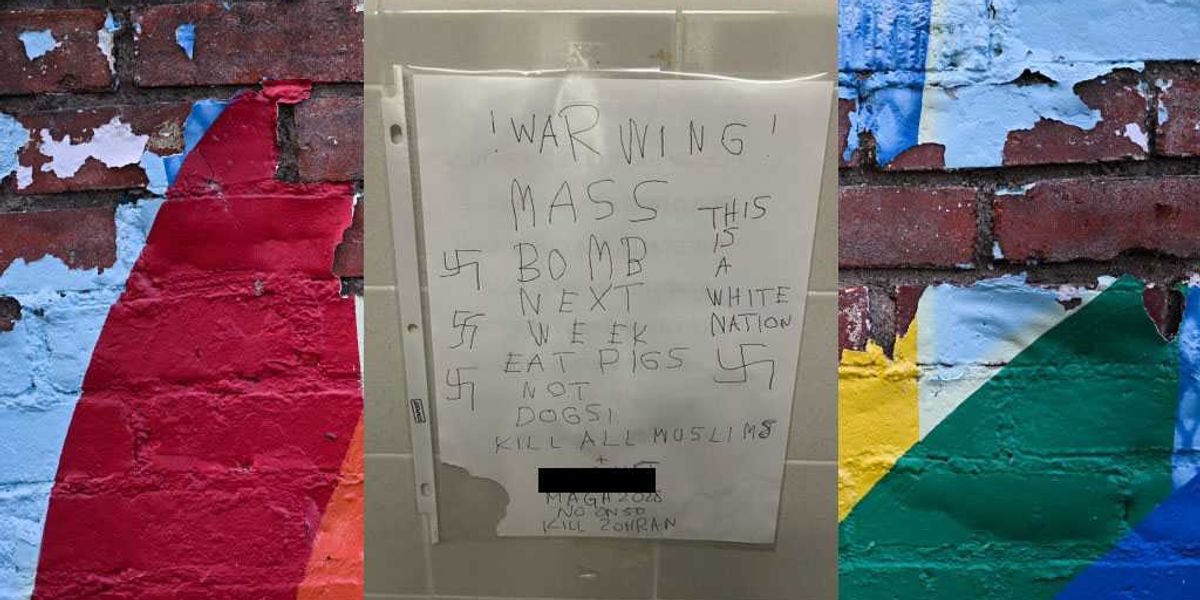
San Jose State University is now at the center of a fresh scandal after federal prosecutors charged a student in a series of hate hoaxes that rattled the campus and stirred up real fear. The case has triggered a hard look at how quickly fake claims can spread, how institutions respond, and why credibility matters when emotions are already running high.
According to the allegations, the student repeatedly tried to manufacture incidents meant to look like hate crimes, pushing a narrative that could inflame tensions and frame others. That kind of stunt does more than waste time, because it hijacks public attention, poisons trust, and turns serious social issues into a cheap performance.
The story has drawn attention not just because of the charges, but because of the broader atmosphere around campus politics. Universities have spent years telling students to treat identity and grievance as the center of every conflict, and that mindset can create fertile ground for people who want to exploit outrage for attention, sympathy, or leverage.
When a fake hate incident surfaces, the fallout is immediate. Students get nervous, staff scramble, police have to sort out fact from fiction, and genuine victims can end up facing more doubt because another manufactured claim muddied the waters.
This is exactly why people are increasingly skeptical when every social problem is treated like a performance art project. If someone lies about a hate crime, that lie does real damage to the very groups the hoax pretends to defend, because it gives critics more ammunition and makes honest reporting harder to believe.
The case also raises a plain common-sense question: why do so many institutions react first and verify later? Too many schools and companies rush to issue statements, signal virtue, and calm the mob before the facts are nailed down, and that creates a system where narratives outrun reality.
Federal charges bring a different kind of pressure, because they signal that this is not just a campus misunderstanding or a social media mess. Once prosecutors step in, the whole thing becomes about intent, evidence, and accountability, which is where it should have been from the start.
There is also the uncomfortable truth that people who stage hate incidents often count on officials being too eager to believe the worst. They know outrage travels fast, they know headlines can be powerful, and they know that once a story fits a political script, a lot of people stop asking basic questions.
That is why this case has hit a nerve far beyond one university. It touches the bigger problem of declining trust in American institutions, where people are tired of being told to accept dramatic claims on faith while the facts are still fuzzy or, in this case, completely fabricated.
For students trying to get through class, the whole episode is a reminder that campus life should not be dominated by scams, spectacle, and ideological games. People want safety, honesty, and a place where truth still means something, and they have every right to expect the university to deliver that without getting played by somebody chasing chaos.
