
U.S. forces carried out targeted missile and drone strikes in Nigeria on Christmas Day to hit Islamist terrorists who have been attacking civilians, and this article recounts a recent fact-finding trip that showed a stark contrast between calm in the capital and fear across the countryside, urges stronger Nigerian action, and argues for sensible American support that stops short of endless occupation.
The strikes on Christmas surprised many back home but were built on cooperation between Nigerian and American military planners and months of pressure from U.S. leadership. I had been in Nigeria a week earlier on a fact-finding mission and saw how fragile security really is in parts of the country. The operation underscored that targeted action can matter when partners are willing to work together.
In Abuja I knelt with worshipers at the Christian Reformed Church of Nigeria the weekend before Christmas and experienced ordinary faith life that felt familiar and human. Kids squirmed in pews, families sang, and parishioners prayed in a capital that still feels relatively normal for now. That normalcy hides the pressure building across rural regions where violence is daily reality.
AUSTRALIA TERROR ATTACK EXPOSES ISIS RESURGENCE AS EXPERTS WARN OF GLOBAL JIHADIST NETWORKS — headlines like this matter because the jihadist threat is not isolated to one theater. The same networks that inspire terror in distant places have threads that reach into West Africa, and Nigeria sits squarely on that fault line. This is a global struggle with local victims who need protection now.
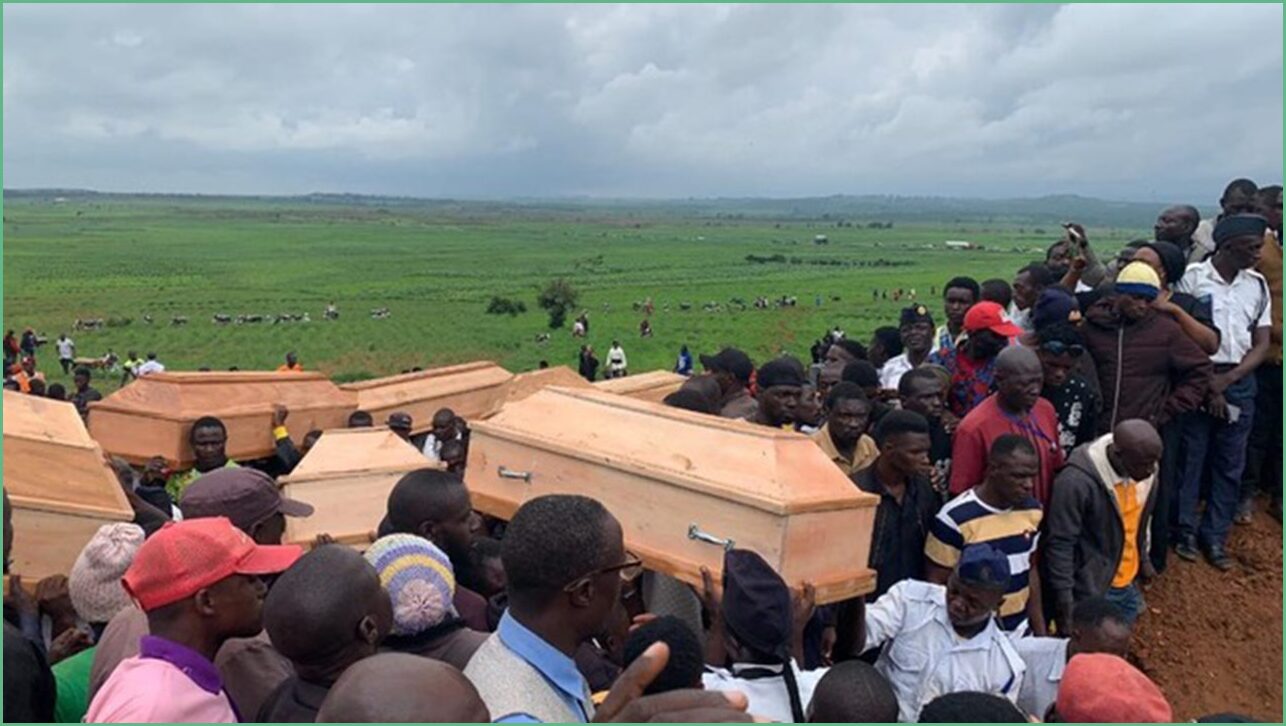
Out in the Middle Belt, Christian farmers go to bed wondering if armed men will raid their village, burn their church, threaten pastors, take daughters or kill sons. That contrast between capital calm and rural fear is why delegations travel to meet government leaders and faith communities. Listening to those who live through the violence makes the stakes painfully clear.
We sat with faith leaders who described threats that are systematic and brutal, and the numbers shared in public records are staggering. Congressional estimates and reporting show thousands killed and tens of thousands of attacks on churches over recent years, with even larger tolls when counting the long timeline. Those figures are a hard reminder that religious communities are under sustained assault.
FROM SYRIA TO SOMALIA, US TROOPS REMAIN DEPLOYED THIS HOLIDAY SEASON UNDER MISSIONS THAT NEVER FORMALLY ENDED — the pattern of open-ended commitments should teach us a lesson about posture and purpose. America must be smart about when and how we engage: we don’t want perpetual ground wars, but we also can’t ignore clear threats that metastasize and harm U.S. interests. Strategic, targeted support buys time for partners to build stronger institutions.
Nigeria matters to American security and global stability in big ways: it is Africa’s largest country and set to grow dramatically this century, rich in oil, minerals and human talent. Political instability and weak governance turn potential into peril and create fertile ground for extremist groups to expand. Helping Nigeria stabilize its core is not charity; it is a strategic investment in a region that affects the whole world.
CHRISTIANS TARGETED IN SYSTEMATIC KIDNAPPING CAMPAIGN IN NIGERIA BY JIHADI HERDSMEN, EXPERTS SAY — this phrase captures one piece of a much larger security puzzle that includes Boko Haram, ISIS-linked groups and Fulani militias. The Fulani jihadi militias terrorize rural communities, drive families off their land, and make everyday life impossible for farmers and worshipers alike. Boko Haram and ISIS-linked networks in the northeast are entrenched and require sustained, coordinated pressure to degrade.
The Nigerian government faces a solvable test of political will in parts of the Middle Belt: disarm the militias, arrest and prosecute leaders, and deliver basic protection so farmers can stay on their land. The harder fight against transnational networks will take longer and will demand sustained help and intelligence sharing. Honest conversations with Nigerian officials made clear their forces are strained and that governance and accountability matter as much as bullets.
America should not pretend the choice is between doing everything or doing nothing, because “not policing the world” does not mean closing our eyes to terrorist threats that touch our interests. We can provide weapons, intelligence, training, and precise strikes without committing to endless occupations, and those measures can have decisive impact when used with discipline. Cutting off financing for kidnappers and improving partner capacity are practical steps that pay off fast.
There is also a message of deterrence we should embrace: states that tolerate murder of civilians must face consequences, and allies like Israel have shown the effect of crushing willful killers. We should be willing to say the same about attacks on religious communities and to act with clarity and force when necessary, even using long-range strikes when partners consent. Nigerian leaders must do their part now by protecting communities, ending impunity, and restoring trust so ordinary people can live without fear.
