
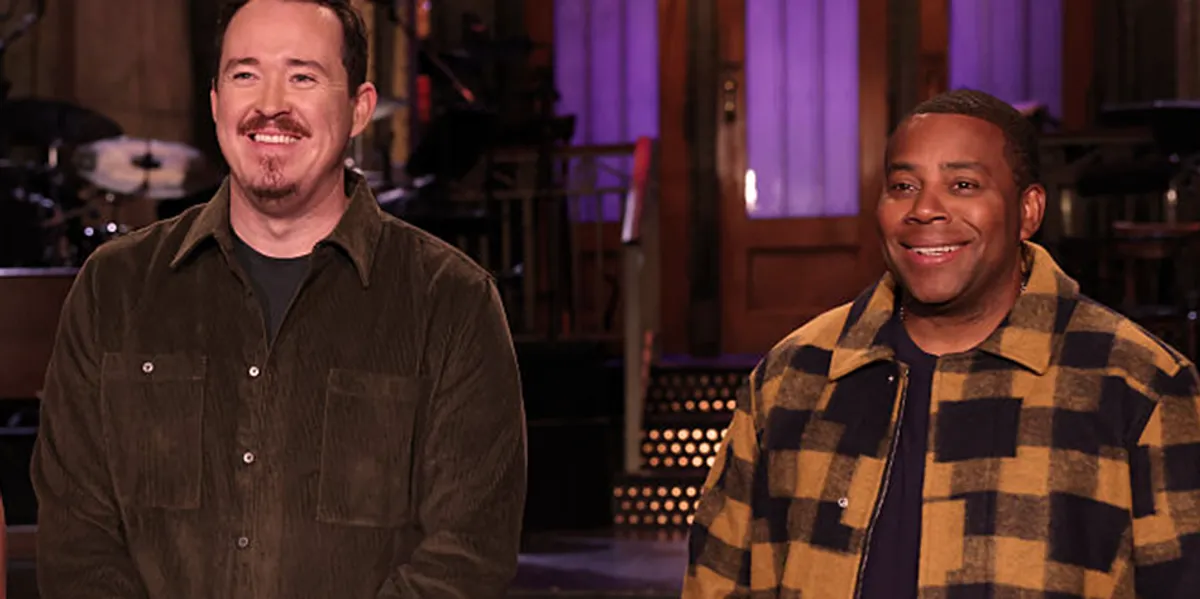
Kenan Thompson has found himself at the center of a fresh wave of debate after taking aim at Shane Gillis over jokes that clearly hit a nerve. The moment landed like a spark in dry grass, setting off reactions from fans who saw it as a veteran comedian drawing a line and others who thought it was a needlessly tense callout.
The clash matters because it pulls two very different comedy instincts into the same spotlight. Gillis has built a reputation on pushing boundaries, while Thompson has long been viewed as one of the steadier, more established voices tied to SNL, which makes the criticism feel bigger than a passing comment.
Thompson’s remarks also stirred up familiar questions about where the line sits in modern comedy. Some audiences want sharper edges and fewer guardrails, while others are quick to demand a softer touch the moment a joke lands the wrong way.
That tension has followed SNL for years, and this latest dust-up fits squarely into that long-running pattern. The show has always lived on the friction between risk and restraint, which is exactly why disagreements like this keep getting attention far beyond the studio walls.
What makes the exchange especially sticky is the contrast in how each man is perceived. Thompson carries the weight of longevity and mainstream recognition, while Gillis is still often framed as the outsider who refuses to sand down his style for anybody.
That alone gives the criticism extra bite. When a veteran voice steps in to scold a comic known for testing limits, it does more than spark a quick headline, it turns into a bigger argument about who gets to define what counts as funny, harmless, or flat-out out of bounds.
For supporters of Thompson, the move can look like basic accountability. A comedian with his platform has every right to push back if a joke feels lazy, mean-spirited, or built to provoke for its own sake.
For Gillis fans, though, the response can feel like more of the same old comedy policing. They see a performer whose brand depends on saying the thing other people are too nervous to say, and they are not exactly eager to see that sharpened edge filed down.
The broader entertainment world has been stuck in this loop for a while now. Comedians keep testing the boundaries, audiences keep splitting into camps, and every new flare-up becomes another referendum on whether people still want comedy to be dangerous or just comfortably clever.
That is part of why this exchange drew so much attention so fast. It is not only about one joke or one reaction, but about the bigger culture around them, where every punchline can turn into a public fight over taste, timing, and who gets the last laugh.
In the end, the friction between Thompson and Gillis says plenty about the moment comedy is in right now. The room may be crowded, the opinions louder than ever, and the pressure higher than it used to be, but the appetite for the next spark is still very much alive.
