
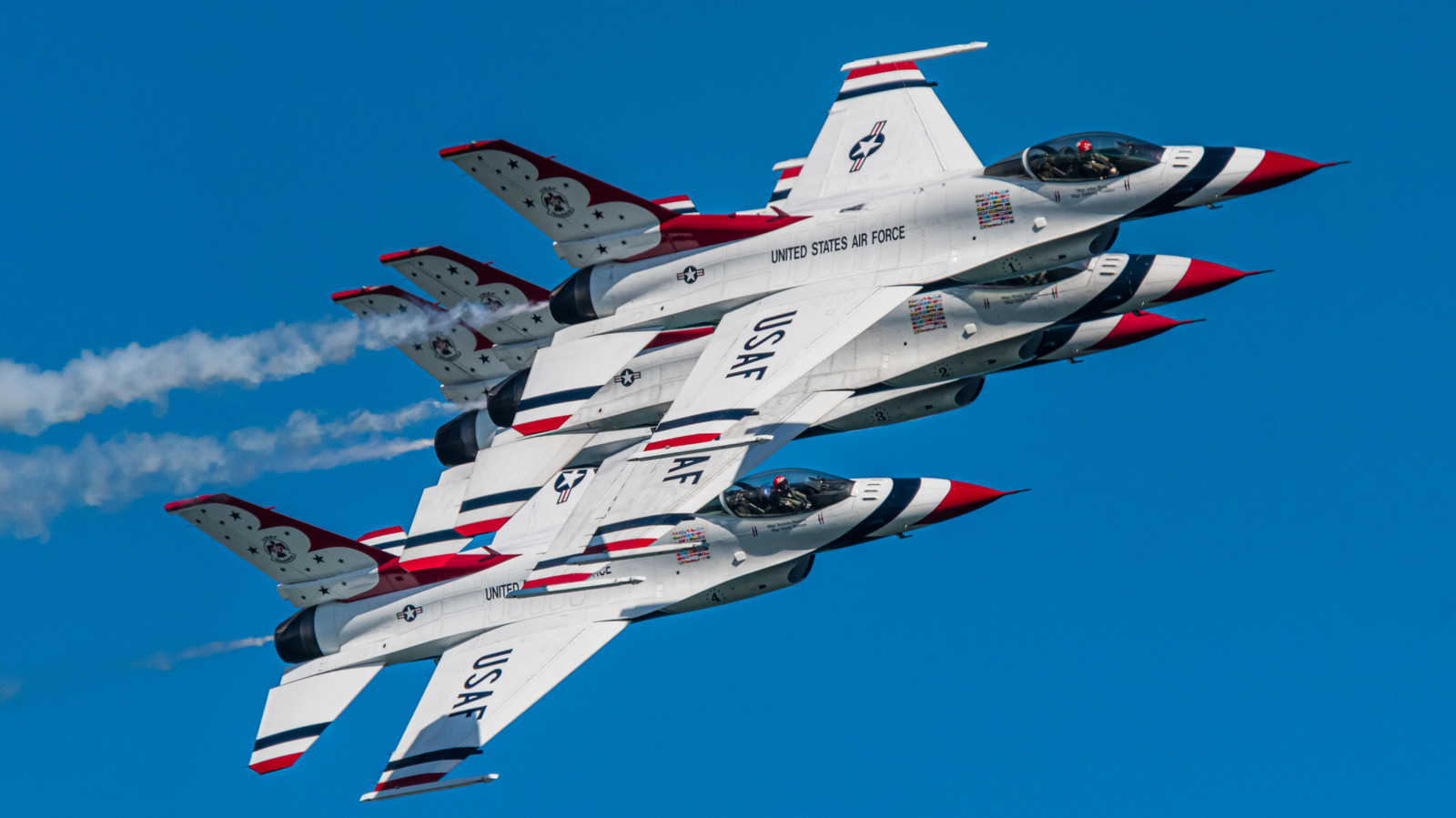
On a quiet stretch of lawn at an American school sits a relic from a very different era: a fighter plane that once roared through the skies, now serving as a landmark, classroom prop, and daily reminder of history. This article explores why having such an icon on campus matters, how the community cares for it, and what lessons students can draw from an aircraft that survived combat and decades of change. Expect history, local pride, hands-on learning, and a few practical headaches.
It is rare to find a genuine combat aircraft parked on school grounds, and that rarity is part of its power. Students walk past metal that once felt the stress of maneuvers and battles, which turns textbooks into something tactile and immediate. The plane becomes a daily connection to events and people often reduced to dates on a page, making history feel alive rather than distant.
Schools that host these displays usually got them through donations, veteran groups, or local museums looking for visibility. Civic pride drives the effort; alumni and community leaders often rally to move and install a plane, and the story behind how it arrived is almost always as compelling as the aircraft itself. Those origin stories form a bridge between generations, with older residents sharing first-person memories and younger folks asking questions.
Beyond symbolism, an aircraft on campus is a practical educational tool. Science and engineering teachers can point to real-world aerodynamics, metallurgy, and maintenance practices right outside their doors. Art classes sketch panels and rivets, while history students study mission logs and the human decisions tied to them. That cross-disciplinary potential is exactly what administrators hope for when they accept a plane.
Maintaining a retired fighter is not glamorous, and it is not cheap. Preservation teams contend with corrosion, vandalism risk, and the need to keep the display safe for public access. Volunteer groups, often with help from veterans or aviation clubs, handle routine upkeep and fundraising, turning what could be an expensive burden into a shared civic project. That collaboration itself becomes part of the lesson—heritage requires work.
Community reactions are rarely neutral. Some love the plane as a point of pride and teaching; others worry about space, relevance, or the optics of promoting war machines on school property. Healthy debate often follows installation, and decisions around interpretive signage or programming reflect those conversations. Schools that navigate these concerns transparently tend to get broader support and richer programming as a result.
The aircraft also serves veterans in a quiet, powerful way. For many who served, seeing a plane preserved and honored in public provides closure and recognition that official ceremonies sometimes miss. Veterans’ groups often help craft exhibits and speak to students, turning a static object into a living memorial that keeps personal stories in public view. Those interactions can change perspectives on service, sacrifice, and the lived cost of conflict.
There are logistical realities to consider, like liability, zoning, and long-term stewardship. A solid care plan, clear signage, and collaboration with local museums or military historians mitigate those issues and make the display sustainable. When schools treat the aircraft as an asset rather than a novelty, it fuels curriculum development, special events, and community partnerships that pay off for years.
At its best, a fighter plane on a school lawn is more than a photo op; it is a catalyst for curiosity, remembrance, and practical learning. Students gain a tactile link to the past, communities find a shared project, and veterans see a piece of history treated with respect. The plane stands silent, but the conversations and lessons it sparks keep it very much alive.
