
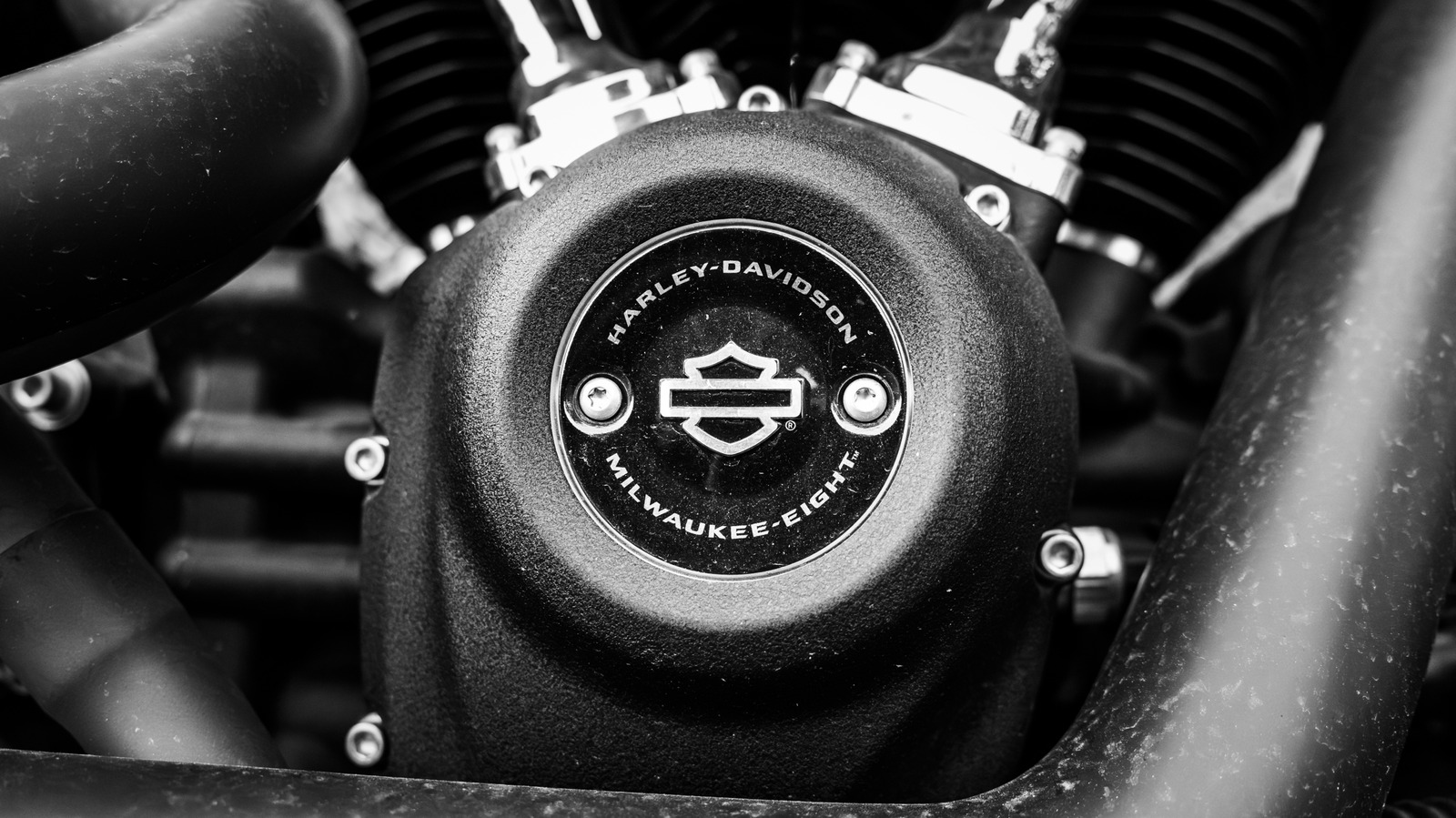
Think the Harley-Davidson Milwaukee-Eight is the undisputed heavyweight of American V-twins? This piece pulls back the curtain on four V-twin powerplants that change the conversation, each offering a different kind of shove, character, and attitude on the road. You’ll get a quick, punchy look at what sets each engine apart so you can imagine how they actually feel under your hands and on the throttle.
Harley’s Milwaukee-Eight is tough to beat for that classic rumble and broad midrange, but horsepower and torque aren’t the only measures of dominance. Some machines focus on outright shove, others on rev-happy aggression, and a few mix modern engineering with old-school punch. The four V-twins below don’t just challenge the Milwaukee-Eight on paper, they redefine what a big twin can be in real-world riding.
Indian’s Thunder Stroke 116 brings old-school presence with modern refinement. At 116 cubic inches it delivers a vast spread of torque that feels effortless around town and intimidating on the highway, with a measured, linear power delivery that eats cruising miles. It’s tuned to be both relaxed and muscular, the kind of engine that makes a long ride feel like a short one.
S&S’s big-bore V-twins are the dark horses of custom performance and they show why aftermarket power matters. Engines like the S&S 117 and 124 are built to be brutish and reliable, designed to turn a cruiser into a real-world street rocket without losing that V-twin character. If you want a raw shove off the line and a tone that commands attention, these units are built for exactly that purpose.
The Suzuki Boulevard M109R’s 1783cc V-twin leans into muscle-cruiser theatrics with serious mechanical intent. It revs harder than many traditional American cruisers and rewards throttle input with a surge that feels sporty and immediate. On a bike that wants to be seen as much as felt, this engine delivers the combination of bark and bite rider’s love.
Ducati’s modern L-twins bring Italian engineering and a sport-bike soul to the V-twin club, trading some of the lumbering low-end for quick-revving performance and razor-sharp response. Engines found in machines like the Diavel 1260 use compact layouts and advanced valve timing to keep the power clean and responsive across the rev range. The result is a machine that snaps into corners and still plants a meaningful hit of torque when you exit the turn.
Beyond raw numbers, these engines differ in personality. Some are built to be leisurely mile-munchers with an endless torque band, while others are designed to be revved and hustled with sporty manners. Build quality, aftermarket support, and intended use all change the way a V-twin feels on pavement, and the best engine is the one that fits how you ride, not just what looks good on paper.
Swapability and customization matter too; the aftermarket for some of these engines is huge, letting you tune sound, power, and character to taste. That’s part of the advantage over a factory-standard Milwaukee-Eight: you can shape the whole experience into something more aggressive, more refined, or more theatrical, depending on your appetite. If you crave a different kind of big-twin experience, these four powerplants are prime places to start testing your assumptions about what a V-twin should do.
At the end of the day, the Milwaukee-Eight holds its own, but it’s not the only game in town. These four engines offer distinct alternatives—each with a clear reason to exist and a clear personality on the road. If you want a different kind of shove, seek one out and feel the difference for yourself.
