
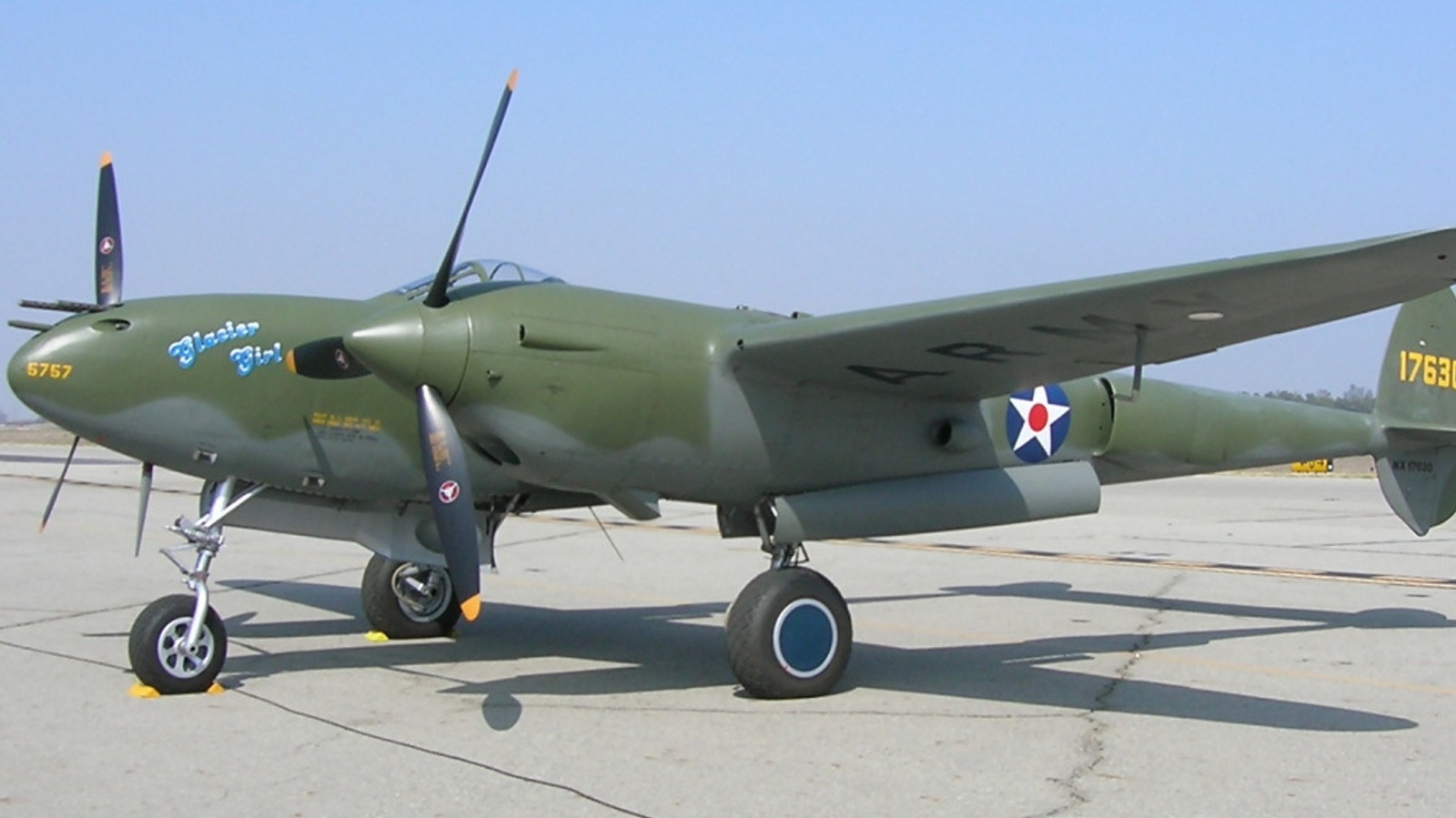
A soldier’s old warplane spent decades trapped in ice, then someone refused to let it stay buried; a daring recovery, painstaking restoration and a handful of passionate people brought metal, fabric and history back to the sky.
The story starts with a discovery: a frozen hunk of aircraft lying still for generations, a time capsule of wartime moments. It was not just scrap to the team that found it, but a living artifact with a pilot’s sweat and a machine’s scars. Recovering it took planning, grit and an honest respect for the past. That recovery was the first move in a long chain that led to flight again.
Getting the plane out of its icy grave was an expedition, not a garage project. Crews battled remoteness, weather and the brittle state of the airframe, knowing a single mistake could erase what remained. Every piece pulled free came with questions about how to treat century-old materials without ruining them. The salvage was as much archaeological as mechanical.
Once on solid ground the real work began: making the aircraft whole enough to consider flight. Structural repairs had to balance authenticity with safety, replacing rotten wood and corroded metal while keeping the original character. Specialists cataloged every part and matched patterns to period blueprints. That care turned a pile of parts into a coherent restoration plan.
The restoration team read like a who’s who of obsessive craftsmanship: fabric coverers, machinists, historians and volunteer mechanics. They hand-stitched fabric skins and remade fittings that hadn’t been produced in decades. Modern tools helped, but it was patient, old-school skills that stitched the plane back to life. Each small success felt like finding a lost sentence in a story that belonged to real people.
Systems were a particular headache because the plane’s electrics and controls had never been meant for modern redundancy. Engineers adapted period-correct solutions where they could and introduced discreet upgrades where safety demanded it. Fuel lines were completely renewed and control surfaces balanced with precision. The goal was a machine that looked and behaved like it did in wartime, but wouldn’t gamble with a pilot’s life.
When the time came for engine tests, it looked and sounded like a miracle in slow motion. The first coughs, then steady rumble, brought a room full of people to silence and then to cheering. That sound was more than mechanical function; it was a living link to the crews who once depended on that very heartbeat. For a moment the decades collapsed and history felt immediate.
Flight testing followed cautious standards and a tight test card. Pilots with experience on similar types handled the first sorties, exploring handling envelopes and trimming quirks. Observers recorded every vibration and temperamental control input so the team could refine adjustments. After successive flights built confidence, the restored plane moved from test regime to demonstration-ready.
The return to the air didn’t just satisfy the restorers. It opened a window for historians, veterans and the public to reconnect with a tangible piece of the past. Seeing the plane flying turns museum talk into a sensory experience: the smell of oil, the visual rhythm of a rotating prop, the thin, raw feeling of fabric over wood. That sensory truth anchors abstract dates and statistics to a reality people can feel.
Restoration projects like this are also a reminder about responsibility. Preserving an artifact for display is one thing; returning it to operation changes the obligations of caretakers. Maintenance plans, parts caches and trained operators become part of a living stewardship. The team accepted that duty willingly, understanding that keeping history airborne demands ongoing attention.
At its core this is a people story as much as a technical one. The plane’s revival sprang from curiosity, stubbornness and collaboration across disciplines and generations. Each rivet set and every hour of careful sanding stitched modern hands to wartime footsteps. That continuity is what makes the sight of the aircraft cutting across the sky feel like more than nostalgia; it feels like honoring something worth keeping alive.
