
Your garage is a chaotic but solvable ecosystem. This short piece cuts to what works: vertical storage, folding workstations, smart small-item systems, sensible zones, and tidy routines that actually stick.
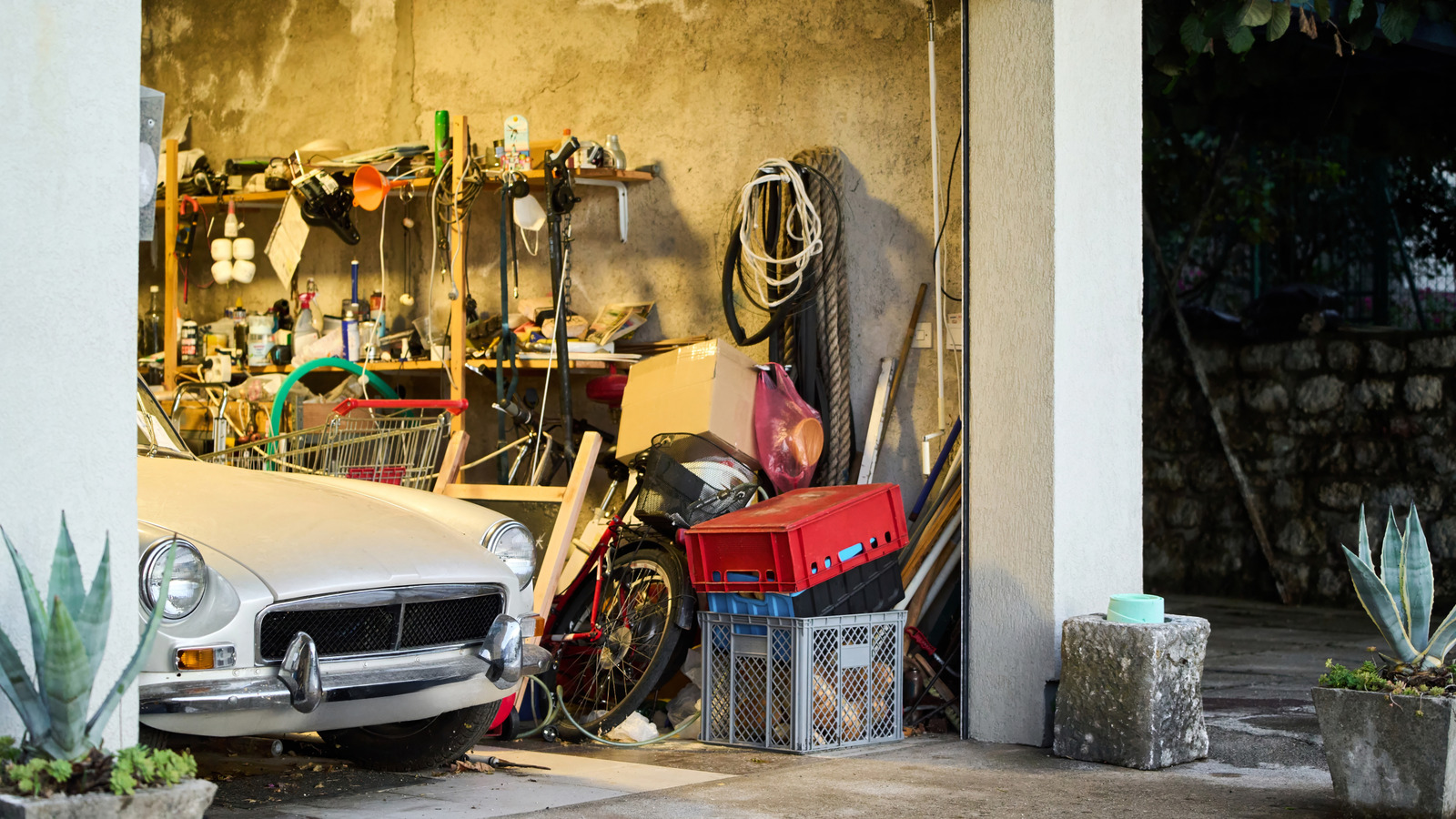
Garages balloon into chaos because they become the default drop zone for life. Shoes, paint cans, sports gear, and broken gadgets all migrate there until nothing fits. That mess costs time, dents projects, and turns a useful space into an obstacle course.
Vertical storage is the single most efficient play you can make when floor space is at a premium. Install heavy-duty shelving, wall rails, and hooked racks to lift bikes, ladders, and bins off the ground. Use pegboards and slatwall slats for tools so everything is visible and within reach instead of buried under a pile.
Folding workstations deliver a full-size workspace without committing permanent square footage to it. A wall-mounted folding bench or drop-leaf table gives you a sturdy surface when you need it and tucks away when you do not. Pick a hinge system rated for the load you expect and add a small, removable mat to protect surfaces during rough jobs.
Small things need big systems or they multiply into clutter. Clear, stackable bins with labels keep fasteners, tape, and glue sorted while magnetic trays and strip-mounted holders corral screws and drill bits. Group like with like: automotive, garden, and hobby supplies each deserve their own bins so you are not digging for a wrench under winter gloves.
Zone your layout so function finds you instead of the other way around. Reserve one wall for tools, one for yard gear, and a corner for seasonal items you only touch once a year. Leave a clear path to the car and position heavier items low and near the entry to reduce bending and awkward lifting.
Tidy habits matter nearly as much as good hardware. Adopt a quick nightly reset: spend five to ten minutes returning tools to hooks, dropping loose trash in the bin, and sliding the day’s bins back onto the shelf. Schedule a 30 to 60 minute monthly sweep to purge things you have not used; a small, regular habit prevents the avalanche of stuff that overwhelms weekend projects.
Start small and build wins so the job does not feel endless. Begin with a single wall or one shelf of bins, clear what you can donate or toss, then add modular storage as you identify real needs. Prioritize fixes that create immediate breathing room, like moving bicycles overhead and clearing a square of floor for a car or work area.
Make maintenance simple: label boldly, keep commons within arm’s reach, and put frequently used items in the most accessible zone. When storage is logical and habits are easy, the garage becomes a functional space that supports projects instead of obstructing them. Try one change this weekend and you will feel the difference right away.
