
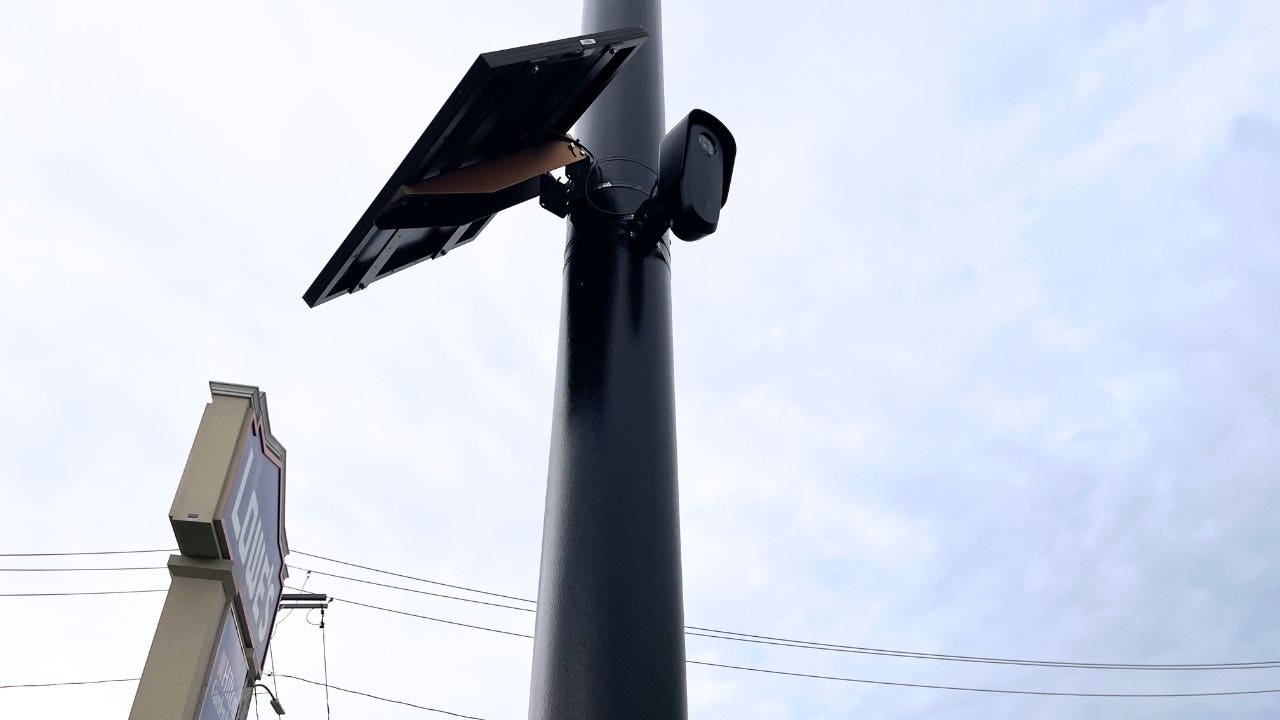
Big-box parking lots are quietly adding automated license plate readers that log your vehicle when you drive in and out. This piece looks at what these systems do, who can access the data and what shoppers should watch for when they park and run inside.
Pulling into a Home Depot or Lowe’s used to mean expecting cameras near the entrance for basic security. Lately, some Connecticut locations now use automated license plate readers, or ALPRs, that photograph the rear of your car, record the plate number and note time and location details.
Retailers say these systems help deter theft and keep customers and employees safer, and law enforcement notes the tech can aid investigations. Privacy groups, though, worry shoppers may not realize their plate was scanned or who might later search that record.
Automated plate readers capture more than just the numbers on a tag. Modern systems often log vehicle characteristics like make, model and color, and they create searchable entries that show when a car was on the property. That turns a casual stop for supplies into a digital location data point tied to your vehicle.
When private businesses deploy these cameras, the business typically controls the data. Companies that offer the technology say sharing is opt-in and that searches are logged in audit trails, but that only helps if the business sets and enforces clear limits on access.
Home Depot and Lowe’s have explained the cameras are for security and theft prevention. A Home Depot spokesperson said, “We’ve had parking area security cameras in place at our stores for many years, as many retailers do. These cameras are used solely as a security measure to prevent theft and protect the safety of our customers and associates in our stores. We do not grant access to our license plate readers to federal law enforcement.”
Even with that reassurance, the boundaries can be fuzzy. Local and out-of-state police may request access, and some departments have agreements with retailers for automatic or continuous feeds at particular stores. That level of access and the criteria for granting it vary widely.
Connecticut has tightened rules around police use of plate reader data, limiting out-of-state sharing, setting retention limits and banning use for immigration enforcement. Those laws apply to public agencies, however, and private retailers do not face the same disclosure requirements as police departments.
That split creates a transparency gap. A public agency’s camera on a road might be governed by clear rules and reporting, but a retailer-owned camera in a parking lot can fall into a murkier category. Shoppers have little way of knowing which local agencies can see the data, how often it is searched or how long it is kept.
You can’t stop a camera from seeing your plate while driving in public, but there are practical steps you can take. Look for signs at lot entrances or exits that disclose camera use, check a retailer’s privacy policy for mentions of automated license plate readers or vehicle information, and ask customer service about retention and access policies.
Some vendors delete images after a set time by default, but retailers can change retention settings, so it’s worth asking whether the company follows the default or keeps data longer. Request specifics: how long records are retained, which agencies receive access and what review process governs law enforcement requests.
Stores want tools to fight organized retail crime, and police want information to solve cases. Those aims are reasonable, but they should not replace clear public rules and shopper notice. When private cameras log where your vehicle was and when, that data deserves visible guardrails so people know who controls it and how it’s used.
