
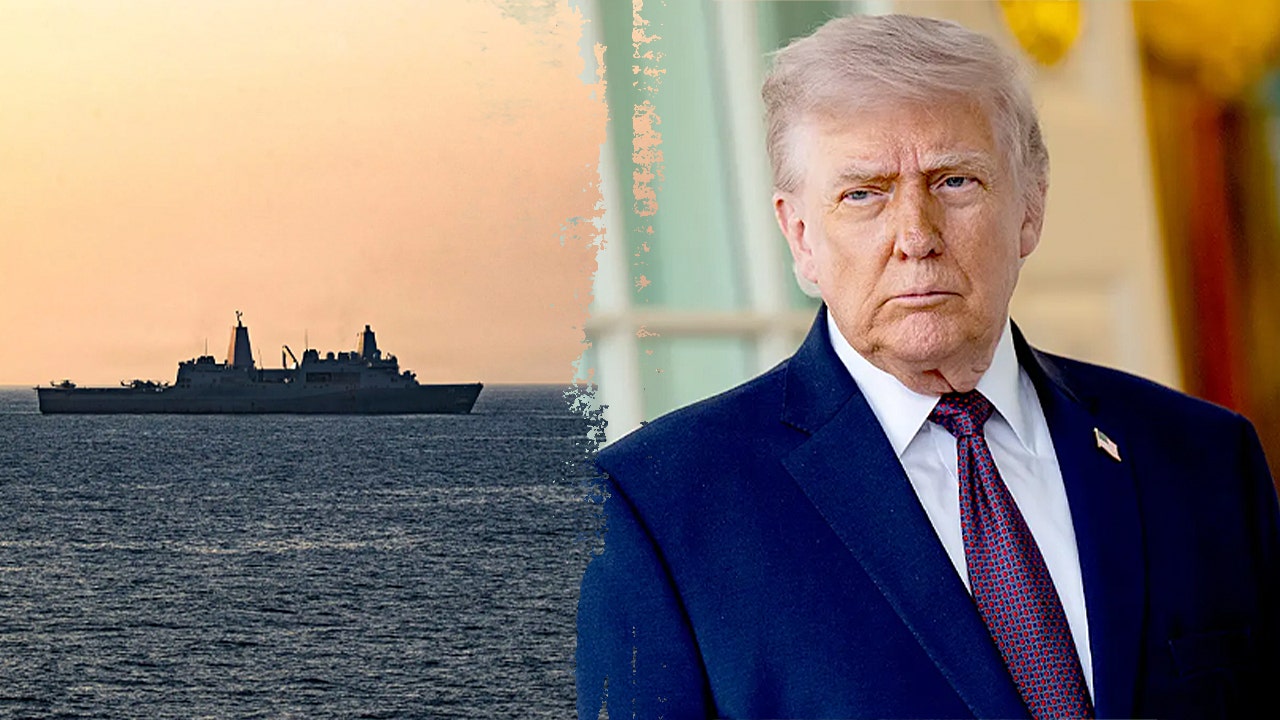
The U.S. confrontation with Iran has reached a tense moment, with fresh chatter about a possible deal. This piece cuts through the noise, argues from a conservative perspective, and lays out what real leverage should look like if Washington refuses to settle for a bad bargain.
Reports of secret or shaky settlements have been circulating since the conflict began on February 28, and most deserve skepticism. Too many leaks spin wishful thinking instead of hard outcomes that protect American interests. We need clarity, not fog, from officials handling this crisis.
Veteran reporters who check with senior Israeli and American sources can help, but headlines alone do not equal strategy. When journalists say the U.S. and Iran might be close to a framework, that deserves scrutiny rather than celebration. A rushed compromise could hand Tehran breathing room instead of accountability.
“According to @BarakRavid the U.S. and Iran are at the closest point to an agreement since the war began. The framework includes:”
STEVE FORBES: NO MORE DELUSIONS — AMERICA HAS TO FINISH THE JOB IN IRAN
That kind of headline captures a real fear on the right: a deal that leaves Iran capable of rebuilding its murderous capabilities. Republican hawks want decisive action, not diplomatic theater that merely rebrands weakness as peace. If President Trump holds the reins, he should translate leverage into long-term safety, not temporary headlines.
Iran’s current leadership is brutal and untrustworthy, and the regime’s survival depends on repression and exporting terror. They have given the world no reason to trust them with sanctions relief or breathing space for weapons programs. Any deal that fails to dismantle key capacities would be a strategic blunder.
The basics of a tough, sensible posture are plain and enforceable. Commercial shipping must remain secure through the Gulf until every nation except Iran enjoys full, normal trade. Allowing Iran to reclaim normal maritime operations without hard guarantees risks letting them profit from aggression.
Nuclear enrichment has to be off the table in practice, not just in words. The highest enriched material must be recovered, cataloged, and placed under strict international control, especially where strikes and damage have hidden critical stockpiles. Verification must be ironclad and continuous.
Missiles and drones are a direct threat to U.S. partners and to American forces, and limits must be concrete. Caps on numbers and ranges with transparent inspections are nonnegotiable, because ambiguity is where proliferation thrives. Sanctions relief should be tied to verifiable, irreversible dismantlement, not vague promises.
Cutting Tehran’s funding of proxies is national security 101 and should be a red line in any negotiation. The regime bankrolls Hamas, Hezbollah, and the Houthis, and letting that stream flow again would be catastrophic. Financial pressure must remain until those networks are severed.
Internet access inside Iran matters more than many realize, because free flow of information empowers opposition and deters mass repression. Restoring connectivity to the Iranian people would weaken the mullahs’ chokehold and help civilians press for accountability. That kind of opening is both moral and strategic.
Special envoys who want a legacy should not trade it for a signature that reads like appeasement. Past walkaways show it’s possible to refuse bad terms, and competent negotiators will use that as leverage. President Trump should prize the strategic gains already secured and avoid undermining them for short-term optics.
Winning in this contest means squeezing Tehran until survival choices favor moderation or collapse of the regime’s ability to project power. That does not require gratuitous humiliation, but it does demand clear, enforceable outcomes. The goal is to make Iran incapable of threatening neighbors or sponsoring terror abroad.
Skepticism is a virtue here; blind optimism is a risk. Trust, but verify is not a slogan when lives and regional stability are on the line. If the White House turns leverage into durable results, history will judge that decision well, and America and its allies will be safer for it.
