
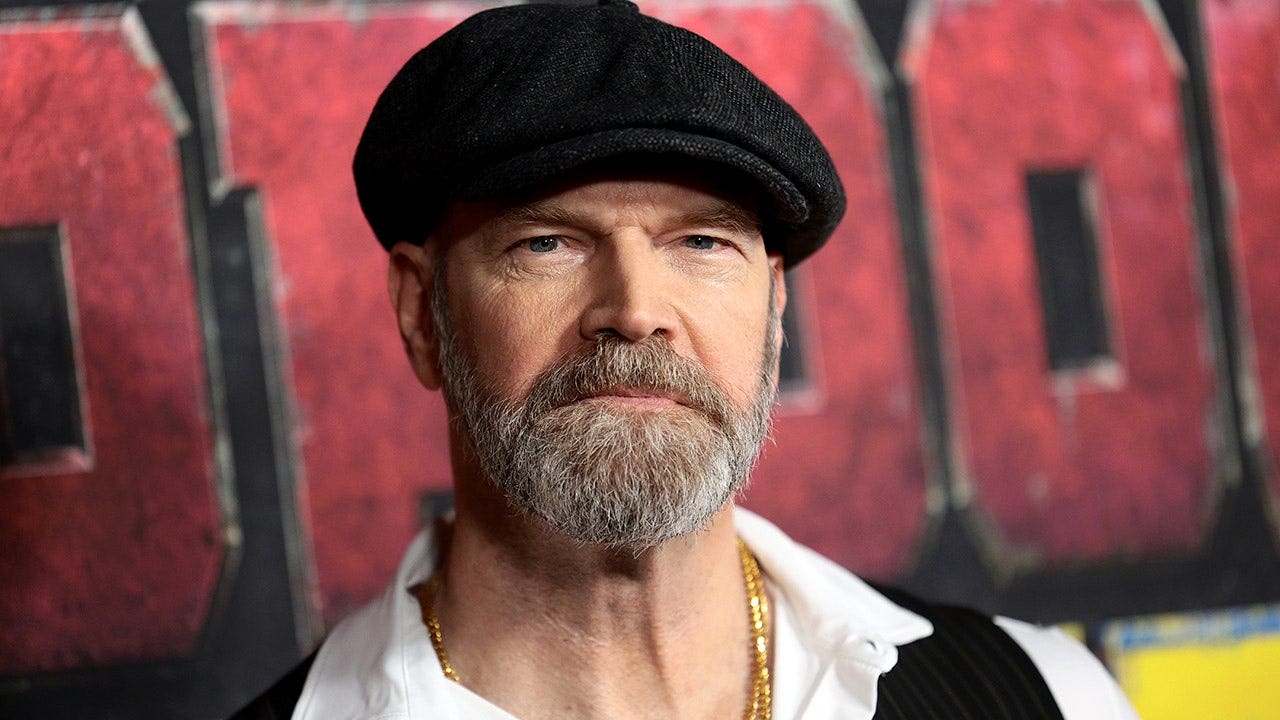
Tyler Mane, the actor and former pro wrestler known for big-screen roles like X-Men and Halloween, announced a breast cancer diagnosis and went public to push a message many men never hear: this can happen to us, too. He shared his treatment timeline and bluntly asked followers to spread the word so others might catch signs earlier. The news is a reminder that awareness, symptoms and treatment pathways matter regardless of gender.
Mane made the reveal in a video on his social channels and did not soften the reality. “I have some bad news. I start chemo today,” he said plainly, and followed with a stark stat: “One in 750 men will be diagnosed with breast cancer in their lifetime, and I’m one of them.” Those lines landed hard because most people automatically link breast cancer to women, not men.
He’s not a stranger to public attention — his work in films gave him a platform he’s now using for a very personal cause. Mane explained that the lack of conversation around male breast cancer helps explain why cases are often discovered much later. That silence can cost time at a stage when early detection would make a bigger difference.
Biology helps explain the risk: everyone has a little breast tissue from birth. For many men that tissue never develops the way it typically does in women, so routine screenings like mammograms aren’t standard for men. That gap in routine checks combined with low awareness means many men only notice a problem when a lump or other obvious change appears.
The most common red flag is a hard, usually painless lump near or behind the nipple, though other signs exist. Skin dimpling, a pulled-in nipple, or unexpected nipple discharge can also point to trouble. Because these symptoms are easy to dismiss, experts urge men who notice changes to get them evaluated quickly.
Male breast cancer is rare and represents a tiny slice of all cases worldwide, but rarity doesn’t erase risk or consequences. Without routine screening and with lower awareness, diagnoses in men tend to come later and face worse outcomes. “Because it’s rarely talked about, it’s usually found at later stages and has worse outcomes,” he said. “I want to change that.”
Treatment for men typically follows the same medical playbook used for women: surgery to remove affected tissue, followed as needed by chemotherapy, radiation or hormone therapies depending on the tumor’s characteristics. The clinical approach is familiar to oncologists working with breast cancer, but the systems for catching it early in men are underdeveloped and inconsistent. That mismatch is one reason Mane chose to be open about his journey instead of handling it in private.
He closed his message with a blunt, mobilizing ask aimed at cutting through the usual awkwardness around male health topics. “Follow, like and share, and come along for my journey to kick this thing in the ass,” Mane said. “Send this to 10 of your friends and have them follow me, because people need to hear this.” His plea is simple: talk about it, spread the information, and treat symptoms seriously so fewer men are blindsided by a diagnosis.
